

1. The Evolving Role of Architects in Modern Design
As our world continues to change, the role of architects is evolving too. Architects are no longer just tasked with creating functional buildings, but are now challenged to think outside the box and design structures that meet both modern needs and environmental demands. With urbanization rising, the pressure to build more efficiently, sustainably, and creatively has never been higher. But how can architects embrace this new challenge, and what will future buildings look like? As someone who’s passionate about architecture, I’ve come to realize that innovative, out-of-the-box thinking is essential to shaping the spaces of tomorrow.
2. Why Thinking Outside the Box is Essential for Future Buildings
We’ve all seen the rise of unique architectural designs that challenge traditional thinking. From the flowing curves of the Guggenheim Museum in New York to the futuristic shapes of the Eden Project in the UK, these buildings represent the essence of "thinking outside the box." But why is this approach so crucial in today’s world?
Firstly, space is becoming more limited, especially in urban environments. Architects are now required to design buildings that maximize space without compromising on functionality. With the rise of smart cities and the integration of technology, buildings need to adapt to a growing population while addressing environmental concerns, such as sustainability and energy efficiency. Buildings of the future will need to incorporate new materials, efficient use of space, and innovative technologies.
Secondly, society’s needs are changing. We are living in an increasingly connected, fast-paced world. The buildings we design must cater not only to basic shelter but to work, recreation, and community spaces that integrate with the social fabric of our cities. As lifestyles shift, the traditional boxy structure may no longer serve the needs of individuals or communities.
3. Examples of Innovative Architecture That Breaks the Mold
There are numerous examples where architects have successfully thought outside the box to create extraordinary buildings. These designs not only push creative boundaries but also redefine how we interact with space:
- The Shard in London: This iconic skyscraper, designed by architect Renzo Piano, challenges traditional notions of high-rise buildings. With its unique triangular design, it changes the London skyline and offers sustainable solutions, such as energy-efficient glass and solar panels.
- Marina Bay Sands in Singapore: Marina Bay Sands is a perfect example of thinking outside the box in terms of both design and function. The building is a multi-purpose complex that includes a hotel, casino, shopping mall, and an infinity pool on the rooftop, which creates a visually striking, iconic landmark.
- Casa Batlló in Barcelona: Designed by the famed architect Antoni Gaudí, Casa Batlló is a masterpiece of creativity. The building’s organic shapes, vibrant colors, and unusual design elements challenge traditional architectural forms and have made it a popular tourist attraction.
4. How Sustainability is Shaping Architecture
Sustainability has become a central theme in modern architecture. As we face increasing challenges from climate change and environmental degradation, architects are tasked with designing buildings that not only meet functional needs but also minimize the impact on the environment.
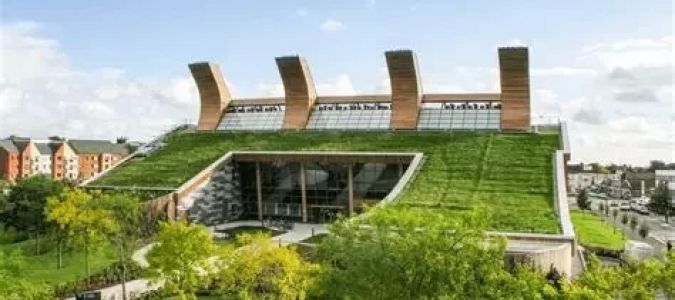
Buildings of the future will need to embrace sustainable practices, such as using renewable energy sources, incorporating green roofs, and implementing water conservation systems. But beyond just energy efficiency, architects will need to innovate new materials that are sustainable, durable, and environmentally friendly. In my opinion, the future of architecture lies in balancing design with environmental consciousness. Projects like the Bosco Verticale in Milan, which is a pair of residential towers covered in thousands of trees and plants, show how architecture can directly contribute to better air quality and a greener environment.
5. The Role of Technology in Future Building Designs
Technology is revolutionizing architecture, making it easier to create more efficient, functional, and visually stunning buildings. Innovations in 3D printing, smart materials, and artificial intelligence are enabling architects to push the boundaries of design and construction.
For example, 3D-printed buildings are no longer a futuristic concept but a reality. These structures can be built faster, more efficiently, and with less waste compared to traditional construction methods. Additionally, smart buildings that incorporate sensors, automation, and AI are becoming more common. These technologies allow for energy savings, enhanced security, and a more personalized experience for building occupants.
Technology allows architects to think beyond traditional materials and construction techniques, enabling them to create buildings that are not only innovative but adaptable to future needs. The integration of renewable energy sources, the use of smart tech, and the focus on environmental sustainability are becoming increasingly important in how we design and build for the future.
6. What Architects Need to Consider When Thinking Outside the Box
While thinking outside the box is crucial for creating future buildings, it’s important for architects to approach these designs with a sense of balance and practicality. Here are a few key factors architects need to consider when pushing the boundaries of design:
- Functionality: A building’s design must always prioritize its function. Even the most innovative designs must meet the practical needs of its occupants, whether it’s providing office space, homes, or community areas.
- Sustainability: Architects need to integrate environmentally responsible materials and energy-efficient systems into their designs. Sustainability is no longer optional; it’s essential to creating buildings that will stand the test of time.
- Cost: Thinking outside the box often means using new materials or construction methods, but the costs must be manageable. It’s important for architects to balance creativity with budget constraints to ensure that a project is financially viable.
7. Why 10 Jay Street is a Leader in Innovative Design
At 10 Jay Street, we’re committed to pushing the boundaries of architecture to create unique, functional, and sustainable buildings. Our projects incorporate cutting-edge technology, smart design, and a commitment to environmental sustainability. By thinking outside the box, we ensure that every building we create not only meets the needs of today’s society but is also adaptable to the challenges of tomorrow.