

Why Architecture Must Evolve to Address the Urgent Climate Crisis
As the climate crisis intensifies, every aspect of human life must evolve to combat its devastating effects, and architecture is no exception. Buildings are responsible for a significant portion of global energy consumption and greenhouse gas emissions, which makes the role of architecture in addressing climate change incredibly crucial. In this article, we’ll explore why architecture must evolve to address the urgent climate crisis and how it can play a pivotal role in creating a more sustainable and resilient future.
1. The Impact of Architecture on the Environment
Buildings contribute to about 39% of global energy-related carbon emissions. From the materials used in construction to the energy consumed during building operations, the built environment has a major footprint on the planet. These impacts are not only harmful to the environment but also contribute to the rapid acceleration of the climate crisis. As architects and designers, it’s our responsibility to reimagine how we build and use space, with a focus on sustainability, efficiency, and resilience.
1.1 Energy Consumption and Carbon Emissions
One of the most significant ways architecture impacts the environment is through the energy consumption of buildings. From heating and cooling systems to lighting and appliances, buildings are constantly consuming energy. Much of this energy comes from non-renewable sources, which contribute to high carbon emissions. By transitioning to more energy-efficient designs and integrating renewable energy sources, architecture can significantly reduce its carbon footprint.
1.2 Materials and Resource Use
Another area where architecture plays a critical role is in the materials used for construction. Traditional construction materials like concrete and steel require significant amounts of energy to produce and are resource-intensive. Switching to sustainable materials such as bamboo, reclaimed wood, and recycled concrete can drastically reduce the environmental impact of building projects.
2. Sustainable Building Design: A Solution to the Climate Crisis
Incorporating sustainable building design into architecture is one of the most effective ways to reduce the environmental impact of the built environment. This approach goes beyond using energy-efficient appliances and extends to every aspect of the building’s design, including materials, water usage, and overall sustainability.
2.1 Passive Design Strategies
Passive design strategies focus on minimizing energy consumption by optimizing the natural resources available, such as sunlight, wind, and natural ventilation. By designing buildings that are naturally insulated, well-ventilated, and appropriately oriented to capture the sun’s warmth, architects can significantly reduce the energy required for heating, cooling, and lighting. This not only reduces carbon emissions but also lowers energy costs for building occupants.
2.2 Green Building Certifications
Many buildings are now being designed and constructed with green building certifications in mind, such as LEED (Leadership in Energy and Environmental Design). These certifications ensure that buildings are meeting specific sustainability criteria, including energy efficiency, water conservation, and use of sustainable materials. By striving for these certifications, architects can help ensure that their designs are contributing to the global effort to combat climate change.
3. Resilient Architecture: Preparing for a Changing Climate
In addition to mitigating the causes of climate change, architecture must also prepare for the impacts of a changing climate. Extreme weather events, rising sea levels, and increased temperatures are becoming more common, and buildings must be designed to withstand these challenges. Resilient architecture focuses on creating structures that can adapt to the shifting climate while maintaining their functionality and durability.
3.1 Designing for Climate Adaptability
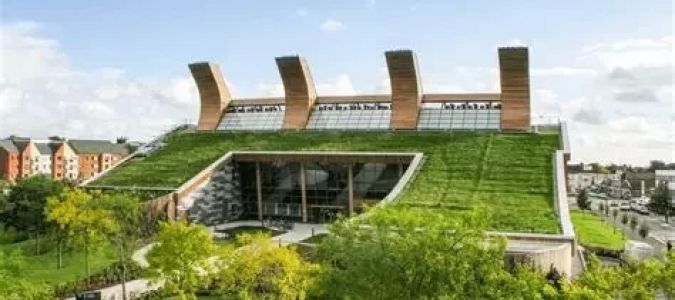
Climate adaptability is an essential feature of resilient architecture. For example, in areas prone to flooding, buildings can be designed with raised foundations or flood-resistant materials. In regions experiencing extreme heat, passive cooling systems, green roofs, and reflective surfaces can help reduce the impact of rising temperatures. By designing buildings that can withstand and adapt to climate-related challenges, architects play a key role in ensuring that buildings are both sustainable and resilient.
3.2 Green Infrastructure and Urban Planning
Beyond individual buildings, architects must also consider the broader impact of their designs on urban infrastructure. Green infrastructure such as permeable pavements, green roofs, and rain gardens can help mitigate the effects of stormwater runoff, reduce urban heat islands, and promote biodiversity. By integrating these elements into urban planning, architects can create cities that are more resilient to climate change and better equipped to handle environmental challenges.
4. Real-World Examples of Climate-Conscious Architecture
Across the globe, there are many examples of architecture that addresses the urgent climate crisis by prioritizing sustainability and resilience. These projects showcase how architecture can evolve to meet the challenges of climate change while creating beautiful, functional spaces for people to live, work, and thrive.
4.1 The Edge, Amsterdam
The Edge is one of the most sustainable office buildings in the world. Located in Amsterdam, the building is designed with energy efficiency at its core. It features solar panels, smart lighting systems, and rainwater harvesting, reducing its environmental impact while providing a comfortable and innovative workspace. The building’s use of natural ventilation and passive design strategies also helps to minimize its reliance on traditional heating and cooling systems.
4.2 Bosco Verticale, Milan
Another standout example of climate-conscious architecture is the Bosco Verticale (Vertical Forest) in Milan, Italy. This pair of residential towers is covered in over 9,000 trees, along with 13,000 plants and 5,000 shrubs. The towers not only provide a beautiful and green living space for residents but also help to reduce air pollution and combat the urban heat island effect in the city. This innovative project is a perfect example of how architecture can work in harmony with nature to create a more sustainable future.
5. The Role of Architects in the Climate Crisis
Architects have an essential role to play in addressing the climate crisis. By designing buildings that are energy-efficient, sustainable, and resilient, architects can contribute to reducing carbon emissions and promoting environmental sustainability. But architects can do more than just design buildings—they can advocate for sustainable practices, educate clients, and inspire future generations to consider the environmental impact of their designs. It is through this collective effort that we can create a more sustainable built environment that addresses the urgent climate crisis head-on.
If you’re interested in exploring sustainable and climate-conscious design, visit 10 Jay Street, where we specialize in creating buildings that address both environmental and functional needs. Our team is committed to crafting designs that not only reduce carbon footprints but also promote long-term sustainability and resilience in the face of climate change.