

Why Sustainable Design is Essential for Modern Architects
As architects, we have the unique responsibility of shaping the world around us. From towering skyscrapers to intimate homes, our designs define the spaces where people live, work, and interact. But as we continue to face growing environmental challenges, the importance of sustainable design has never been more pronounced. I’ve come to realize that prioritizing sustainability in architecture isn’t just a trend—it’s a necessity for the future. Sustainable design means creating spaces that are not only functional and aesthetically pleasing but also mindful of our planet's limited resources.
When I first started my journey as an architect, sustainability was often considered an afterthought or an optional feature in design. However, over the years, I've seen the architectural world evolve. Sustainability is now recognized as an essential aspect of every project. Whether it's using eco-friendly materials, reducing energy consumption, or minimizing waste, architects must lead the way in creating spaces that are both environmentally responsible and socially beneficial.
1. The Growing Demand for Sustainable Architecture
The demand for sustainable architecture is no longer confined to a niche group of environmentally conscious clients. In today’s world, everyone—from developers to homeowners—understands the importance of creating spaces that minimize their ecological impact. This shift is driven by several factors, including increased awareness of climate change, rising energy costs, and the growing desire for green certifications such as LEED (Leadership in Energy and Environmental Design).
1.1 Consumer Expectations are Changing
As sustainability becomes a mainstream concern, consumers are increasingly seeking out products and services that align with their values. In the context of architecture, this means that more clients are requesting energy-efficient, eco-friendly buildings. For example, during a recent project, the client specifically requested a building that would not only be environmentally responsible but also reduce long-term operating costs. By implementing energy-efficient systems and sustainable materials, we were able to meet these goals and exceed the client’s expectations.
1.2 Government Regulations and Incentives
Another significant factor in the rise of sustainable architecture is the increasing number of government regulations and incentives aimed at reducing environmental impact. Governments are enforcing stricter energy codes and offering tax credits and rebates to encourage green building practices. As architects, it’s our job to stay informed about these changes and incorporate them into our designs. This not only ensures compliance but also gives us the opportunity to contribute to a healthier planet.
2. How Sustainable Design Benefits Architects and Clients
While sustainability is often seen as a cost-driven approach, it brings numerous long-term benefits to both architects and clients. In my experience, embracing sustainable design has proven to be a win-win for everyone involved. Here's why:
2.1 Reduced Operating Costs for Clients
One of the most compelling reasons to prioritize sustainable design is the long-term cost savings it offers clients. Energy-efficient buildings reduce the cost of heating, cooling, and maintaining the space. Additionally, using durable, high-quality materials leads to fewer repairs and replacements over time. I’ve witnessed firsthand how clients appreciate the savings they gain through sustainable design, which often results in lower energy bills and fewer maintenance costs.
2.2 Enhanced Building Durability and Longevity
Sustainability also plays a crucial role in improving the durability and longevity of buildings. By using sustainable materials and focusing on energy-efficient systems, architects can design structures that stand the test of time. This not only benefits the client but also reduces the environmental impact associated with the constant demolition and rebuilding of structures. I once worked on a project that focused on creating a building with a lifespan of over 100 years, using sustainable techniques that would require minimal future renovations. The result was a building that both the client and the community could be proud of for generations to come.
2.3 Positive Environmental Impact
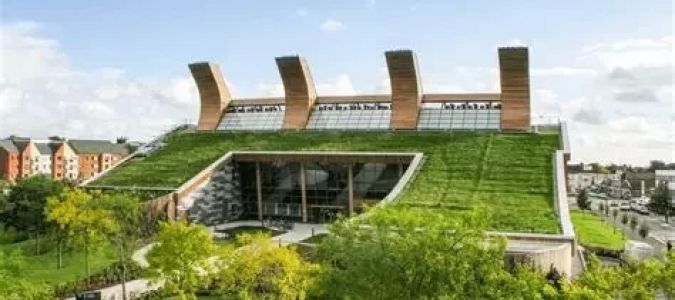
Perhaps the most important benefit of sustainable design is the positive impact it has on the environment. As architects, we are responsible for minimizing the carbon footprint of the buildings we create. Sustainable design reduces waste, lowers energy consumption, and helps preserve natural resources. By incorporating renewable energy sources, green roofs, and water-efficient systems into our designs, we can contribute to a more sustainable world. This sense of purpose and contribution to the environment is deeply rewarding as an architect, and it’s something that drives my work every day.
3. Key Principles of Sustainable Design for Architects
When incorporating sustainability into architecture, there are several key principles that every architect should prioritize. These principles not only help reduce environmental impact but also create healthier, more comfortable spaces for people to live and work in. Here are the principles I focus on in every project:
3.1 Energy Efficiency
Energy efficiency is one of the cornerstones of sustainable design. By using energy-efficient systems and materials, we can reduce a building’s overall energy consumption. This can be achieved through insulation, energy-efficient windows, and the use of renewable energy sources like solar panels. I make sure to incorporate these elements into every design to ensure that the building operates as efficiently as possible.
3.2 Water Conservation
Water conservation is another critical aspect of sustainable design. From low-flow faucets to rainwater harvesting systems, architects can design buildings that minimize water waste. This is especially important in areas that experience water scarcity, where every drop counts. For one of my projects in a drought-prone area, we implemented a water recycling system that helped reduce the building’s reliance on municipal water sources. The result was a more sustainable building that contributed to the preservation of local water resources.
3.3 Sustainable Materials
The materials used in a building have a significant impact on its environmental footprint. Sustainable materials—such as recycled steel, bamboo, and low-VOC (volatile organic compounds) paints—are essential in reducing waste and ensuring the long-term sustainability of a building. Whenever possible, I strive to use locally sourced materials to reduce transportation emissions and support local industries.
4. Real-Life Example: The Impact of Sustainable Design in Practice
Let me share a real-life example of how prioritizing sustainable design can lead to remarkable results. A few years ago, I worked on a project for a local community center. The goal was to create a space that would serve as a hub for community activities while minimizing its environmental impact. We incorporated passive solar heating, energy-efficient lighting, and natural ventilation systems into the design. The result was a building that not only reduced its carbon footprint but also became a model of sustainability for the community. The center is now a point of pride for the area and serves as an example of how sustainable design can create both environmental and social value.
5. Conclusion: The Future of Architecture is Sustainable
As architects, we have the opportunity to shape the future of our cities and communities. By prioritizing sustainable design, we can create buildings that are not only beautiful and functional but also environmentally responsible. The future of architecture is green, and as professionals, we must continue to innovate and find new ways to reduce the impact of our designs on the planet. If you’re interested in exploring sustainable design further, I recommend checking out 10 Jay Street for innovative solutions and products that support sustainable architecture.