

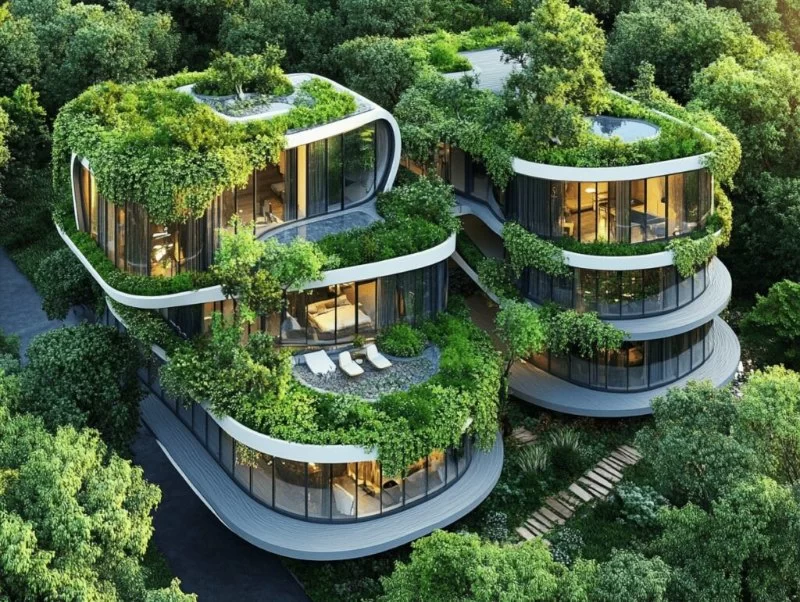
Why It’s Important to Invest in Sustainable Architecture Practices – Building a Greener Future

Why It’s Important to Invest in Sustainable Architecture Practices – Building a Greener Future

Discover the importance of investing in sustainable architecture practices. Learn how eco-friendly building design and energy-efficient construction benefit the environment and save costs.

  1. 10 Jay Street
  2. >
  3. Blog
Why It’s Important to Invest in Sustainable Architecture Practices – Building a Greener Future

Why It’s Important to Invest in Sustainable Architecture Practices – Building a Greener Future

Sustainable architecture has become one of the most important focuses in modern building design. As concerns about climate change, resource depletion, and environmental degradation continue to rise, architects and construction professionals are increasingly turning to sustainable practices to build eco-friendly, energy-efficient, and long-lasting structures. But why is investing in sustainable architecture so critical, and how does it benefit both the environment and building owners? In this article, we’ll explore the reasons why sustainable architecture is essential and the positive impact it can have on our world.

The Benefits of Sustainable Architecture

Sustainable architecture is designed with the long-term health of the planet in mind. By using renewable resources, reducing energy consumption, and minimizing waste, sustainable architecture promotes a healthier environment and contributes to a more sustainable future. Here are some of the key benefits of investing in sustainable architecture:

1. Environmental Impact

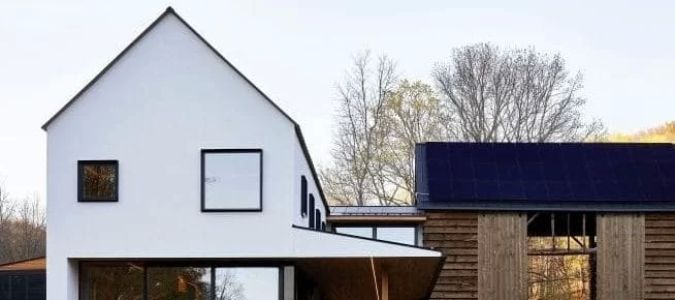
The most significant advantage of sustainable architecture is its positive impact on the environment. Buildings are responsible for a large percentage of global energy consumption and carbon emissions, which contribute to climate change. Sustainable buildings minimize environmental damage by utilizing energy-efficient systems, renewable energy sources like solar power, and sustainable building materials such as recycled or locally sourced products. These green buildings help reduce the overall carbon footprint of the construction industry.

2. Improved Health and Well-Being

In addition to reducing environmental harm, sustainable architecture also focuses on the well-being of the people who live and work in these buildings. Green buildings often incorporate natural lighting, better ventilation, and non-toxic materials, which improve indoor air quality and provide a healthier living environment. The integration of green spaces and biophilic design elements—such as indoor plants or outdoor gardens—further enhances the mental and physical well-being of occupants.

3. Resource Conservation

Investing in sustainable architecture helps conserve resources by promoting the use of energy-efficient systems and materials. For example, water-saving fixtures such as low-flow toilets and faucets reduce water consumption, while energy-efficient windows and insulation minimize the need for heating and cooling. Additionally, renewable energy sources like solar panels and wind turbines reduce dependence on non-renewable resources, further contributing to sustainability.

Energy Efficiency and Sustainability

One of the primary goals of sustainable architecture is to reduce energy consumption while creating structures that are both functional and comfortable. Energy-efficient buildings use less energy for heating, cooling, and powering appliances, which helps reduce the demand on the electrical grid. Here are some ways energy efficiency is incorporated into sustainable architecture:

1. Energy-Efficient Insulation and Windows

Proper insulation and high-performance windows are essential in reducing a building's energy consumption. Insulation helps maintain consistent indoor temperatures by preventing heat from escaping during the winter and keeping heat out during the summer. Similarly, energy-efficient windows reduce heat loss and gain, which helps keep energy costs low. Together, these features improve the energy efficiency of the building, making it more comfortable year-round.

2. Solar Energy Integration

Many sustainable buildings now incorporate solar panels to harness renewable energy. Solar panels capture sunlight and convert it into electricity, reducing reliance on traditional energy sources. In addition to saving on energy bills, solar energy systems can also provide backup power during outages, offering a level of energy independence. Over time, the savings from using solar energy can offset the initial installation costs.

3. Smart Building Technology

Smart building technology allows building owners to monitor and control energy usage more effectively. Smart thermostats, lighting systems, and energy management tools allow for greater control over heating, cooling, and lighting, ensuring energy is used only when necessary. This technology not only helps conserve energy but also improves comfort and convenience for occupants.

Economic Advantages of Green Buildings

While the initial investment in sustainable architecture may seem higher, the long-term economic advantages far outweigh the costs. From lower utility bills to increased property value, here’s how investing in green buildings can result in significant financial benefits:

1. Reduced Operating Costs

Energy-efficient buildings tend to have lower operating costs because they consume less energy. With systems like efficient insulation, energy-saving lighting, and solar panels, building owners can save significantly on heating, cooling, and electricity bills. Over time, these savings add up and make the investment in green architecture worthwhile.

2. Increased Property Value

As more homebuyers and renters seek sustainable living options, properties with green features are becoming increasingly desirable. Energy-efficient homes and buildings are often valued higher than traditional buildings due to their reduced operating costs and long-term sustainability. As a result, green buildings typically offer a higher resale value and better return on investment.

3. Tax Incentives and Rebates

In many regions, governments offer tax incentives, rebates, and grants to encourage sustainable construction. These incentives can help offset the upfront costs of green building projects and provide financial support for energy-efficient upgrades. These programs vary depending on location, but they can make sustainable building practices more affordable for homeowners and developers alike.

The field of sustainable architecture is constantly evolving, with new technologies and design approaches emerging every year. Here are some of the latest trends shaping the future of sustainable building practices:

1. Net-Zero Energy Buildings

Net-zero energy buildings are designed to produce as much energy as they consume over the course of a year. These buildings are highly energy-efficient and use renewable energy sources, such as solar power, to offset their energy needs. Net-zero buildings are a growing trend in sustainable architecture and are seen as the future of environmentally responsible construction.

2. Green Roofs and Living Walls

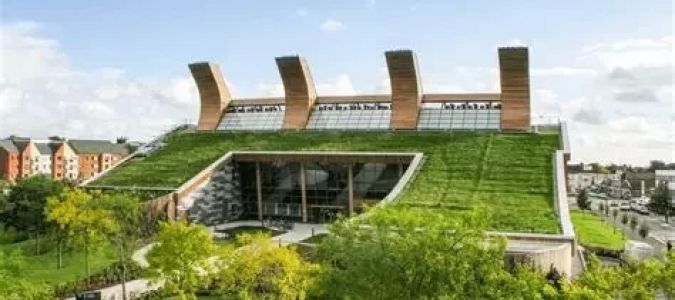
Green roofs and living walls are becoming more common in sustainable building designs. These features not only help reduce energy consumption by providing natural insulation but also improve air quality, reduce urban heat islands, and support biodiversity. Green roofs and walls are also aesthetically pleasing, adding a touch of nature to urban environments.

3. Biophilic Design

Biophilic design focuses on incorporating natural elements into architectural spaces to enhance well-being and connection to nature. This design trend includes features like natural light, plants, water features, and materials that mimic natural textures. By bringing nature indoors, biophilic design helps improve mental health and overall comfort for building occupants.

As we move toward a more sustainable future, investing in sustainable architecture practices is not just a trend—it’s a necessity. By reducing energy consumption, lowering operating costs, and promoting environmental responsibility, sustainable architecture offers numerous benefits to both property owners and the planet. For those interested in sustainable building solutions and the latest green design trends, visit 10 Jay Street for inspiration and recommendations on eco-friendly architecture.
More

The Role of Architects in the Design of Public Transportation Systems

The Role of Architects in the Design of Public Transportation Systems

Learn about the critical role architects play in designing public transportation systems. Discover how architectural design influences the functionality and aesthetics of transit hubs and infrastructure. The Importance of Architects in Public Transportation Design Key Functions of Architects in Transportation Systems Design Principles for Public Transportation Systems Case Studies: Successful Transportation System Designs The Future of Public Transportation ArchitectureThe Importance of Architects in Public Transportation DesignPublic transportation systems are the lifeblood of urban mobility. As cities grow, the demand for efficient, sustainable, and aesthetically pleasing transit systems becomes more critical. Architects play an essential role in the design and development of these systems, shaping not only the functionality but also the experience of passengers. They are responsible for designing transit hubs, stations, bus terminals, and rail systems that balance practicality with visual appeal, ensuring that transportation infrastructure serves both users and the surrounding environment.From creating open, accessible spaces to incorporating sustainable design principles, architects bring a unique perspective that combines art and science in public transportation projects. They work closely with engineers, urban planners, and local governments to create solutions that meet the needs of the public while also supporting long-term growth and sustainability. Their work impacts how people interact with their cities and how they move within them, making their role in public transportation design indispensable.Key Functions of Architects in Transportation SystemsArchitects have a multifaceted role in the design of public transportation systems. Below are some of the primary responsibilities they take on when working on these large-scale projects:1. Designing User-Centered SpacesOne of the key roles of architects is to design spaces that prioritize the needs of the users. This means creating accessible, comfortable, and efficient environments for people to navigate, wait, and board. For example, transit stations and bus terminals need to have clear signage, wide walkways, and seating areas that accommodate a variety of passengers, from the elderly to those with disabilities. An architect must anticipate how people will move through these spaces and ensure that the design facilitates a smooth flow of foot traffic while reducing congestion.2. Sustainability in DesignSustainability is a key focus for modern architects, and it’s particularly important when designing public transportation systems. These systems are integral to reducing traffic congestion and lowering carbon emissions in urban areas. Architects use sustainable design practices to ensure that transportation infrastructure is energy-efficient, uses renewable materials, and reduces the environmental footprint of transportation systems. For example, incorporating solar panels, green roofs, and energy-efficient lighting into transit hubs helps make the entire system more eco-friendly and cost-effective in the long term.3. Aesthetic Integration with Urban LandscapeArchitects also focus on how the design of transportation systems integrates with the surrounding urban landscape. A well-designed transit station or bus terminal should complement the architecture of the area, creating a sense of harmony between infrastructure and the environment. This might involve using local materials, aligning the design with the character of the neighborhood, or adding artistic elements that reflect the cultural identity of the city. The design of public transportation spaces is as much about enhancing the public realm as it is about functionality.4. Ensuring Safety and SecuritySafety and security are essential components of any public transportation system. Architects design spaces that are not only physically secure but also give passengers a sense of safety while waiting or traveling. Features like well-lit areas, security cameras, and emergency exits are integrated into the design to provide peace of mind. The layout of the station or terminal is designed with clear sightlines and easy access to emergency exits, which ensures that the space is safe for all users, even in emergencies.Design Principles for Public Transportation SystemsThe design of public transportation systems is guided by several key principles that architects must consider in order to create spaces that are functional, efficient, and comfortable. Some of the most important principles include:1. AccessibilityPublic transportation systems must be accessible to everyone, including people with disabilities. Architects must ensure that stations, bus stops, and rail terminals are designed with universal access in mind. This includes features like ramps, elevators, and tactile paving for visually impaired individuals, as well as accessible bathrooms and seating. Creating an inclusive environment helps ensure that all passengers can easily navigate the system.2. EfficiencyEfficiency in design is crucial for minimizing waiting times and improving the flow of passengers. Architects work closely with engineers and planners to design systems that facilitate fast boarding and deboarding, while also minimizing bottlenecks. For example, designing wide, open spaces for passengers to enter and exit trains or buses quickly can help keep the system running smoothly during rush hour.3. FlexibilityPublic transportation systems must be adaptable to changing needs. Whether it's accommodating more passengers as the population grows or adapting to new technologies like autonomous vehicles, architects must design spaces that can be easily modified in the future. This flexibility can include features like modular designs for stations or the ability to add more platforms if necessary.4. Safety and SecurityDesigning for safety is a top priority. Architects incorporate various features to protect passengers, such as surveillance systems, well-lit areas, and the strategic placement of security personnel. Additionally, architects ensure that the design of transportation spaces encourages safe behavior, such as clear signage and visible exits.Case Studies: Successful Transportation System DesignsThere are several inspiring examples of architects successfully designing public transportation systems that have become models for cities worldwide. Below are a couple of case studies where architecture played a crucial role in shaping transit systems:1. The High Line in New York CityThe High Line in Manhattan is a unique example of how architecture can transform an old infrastructure into a thriving public space. Originally an abandoned railway track, it was redesigned as an elevated park and transit space. Architects used innovative design strategies to preserve the industrial heritage of the space while integrating green spaces and pedestrian pathways. The project has become a major public transportation hub for the city, connecting neighborhoods and offering both a practical space and a cultural experience.2. The Shibuya Station in TokyoShibuya Station, one of Tokyo’s busiest transit hubs, is an excellent example of architectural design enhancing public transportation. The station was redesigned to improve passenger flow and safety while maintaining its iconic status in the city. The architects incorporated a modern aesthetic, creating large, open spaces with easy-to-navigate pathways and enhanced lighting. This redesign has helped improve efficiency while also creating a pleasant experience for passengers.The Future of Public Transportation ArchitectureThe future of transportation architecture will likely see even more innovative designs that address growing urbanization, environmental concerns, and technological advancements. Architects will continue to prioritize sustainability, integrating new green technologies like solar energy, rainwater harvesting, and sustainable materials. Additionally, the rise of autonomous vehicles and smart cities may lead to even more dynamic transportation hubs that seamlessly blend with digital infrastructure.As urban centers continue to expand, the role of architects in designing public transportation systems will become even more important. These professionals will be at the forefront of creating transportation solutions that meet the needs of future generations, ensuring that cities remain connected, efficient, and sustainable.If you're interested in learning more about innovative architecture and design, I recommend visiting 10 Jay Street, where you can explore inspiring architectural projects and find the perfect solutions for your own design needs.

Apr 14, 2026
The Rise of Minimalist Architecture: Understanding Its Impact on Modern Design

The Rise of Minimalist Architecture: Understanding Its Impact on Modern Design

Explore the rise of minimalist architecture, its core principles, and how it’s shaping modern design. Learn how minimalist architecture is influencing space, functionality, and style in today’s world. What Is Minimalist Architecture? Key Principles of Minimalist Design Benefits of Embracing Minimalism in Architecture Real-World Examples of Minimalist Architecture The Future of Minimalist ArchitectureWhat Is Minimalist Architecture?Minimalist architecture, a term we hear often in modern design, has roots that stretch back to the 20th century, but it has grown significantly in popularity over the past few decades. The concept behind minimalist design is simple: less is more. It’s about stripping away the unnecessary, focusing on functionality, and letting space and light breathe. The idea is not to clutter a space with extraneous details, but rather to let its essential qualities shine.Minimalism isn’t just about the aesthetic—it’s a philosophy that emphasizes clean lines, open spaces, and a sense of tranquility. This style focuses on creating environments that promote simplicity, order, and harmony. Architects and designers who embrace minimalism often do so to craft spaces that feel spacious, serene, and timeless. This is not only visually appealing but also creates a calming atmosphere in which people can relax and focus.Key Principles of Minimalist DesignMinimalist architecture is driven by certain design principles that aim to create functional, simple, and elegant spaces. These principles guide how spaces are designed, decorated, and utilized. Let me break down some of the key aspects that define this approach:1. Simplicity in FormOne of the defining features of minimalist architecture is its emphasis on simplicity. The form of the building or structure is stripped to its bare essentials. This means that extraneous decorations, heavy ornamentation, or overly intricate designs are avoided. The idea is to allow the architecture itself to stand out, rather than relying on additional elements to attract attention.2. Functionality and PurposeIn minimalist design, every element serves a purpose. There’s no room for superfluous details. Every material, shape, and object in the space is chosen based on its function. For instance, the use of neutral colors, natural materials like wood, and open floor plans ensure that the space is both functional and aesthetically pleasing. Each space is optimized for its intended use, whether it’s a living room, office, or bedroom.3. Natural Light and Open SpacesNatural light plays a crucial role in minimalist architecture. Large windows, skylights, and glass doors allow light to flood the space, enhancing its openness and airiness. Open spaces are emphasized, with rooms often flowing seamlessly into each other. This creates a sense of freedom and openness that is central to the minimalist lifestyle.4. Neutral Colors and Natural MaterialsMinimalist interiors often feature neutral colors—white, gray, beige, and soft tones—on the walls, floors, and ceilings. These colors create a clean backdrop, allowing natural light to reflect off surfaces and enhance the feeling of space. Additionally, the use of natural materials such as wood, stone, and metal helps to maintain the simplicity and timelessness of the design.Benefits of Embracing Minimalism in ArchitectureMinimalist architecture offers several benefits that extend beyond just aesthetics. In fact, it’s a lifestyle that promotes functionality, mental clarity, and sustainability. Let’s take a deeper look at some of the benefits of minimalist architecture:1. Enhances Mental Clarity and FocusLiving in a minimalist space can have a positive impact on mental clarity. When there’s less clutter and fewer distractions, the mind feels more relaxed and focused. This is especially important in today’s fast-paced world, where many people struggle with stress and anxiety. Minimalist spaces foster an environment that promotes peace of mind and a sense of calm.2. Maximizes SpaceMinimalist design is known for making the most out of every square foot. By eliminating unnecessary items and optimizing the layout, minimalist spaces often feel larger and more open. For people living in smaller apartments or homes, this is particularly valuable. The focus is on creating functional and efficient spaces that meet daily needs without feeling overcrowded.3. Encourages SustainabilityMinimalist architecture often promotes sustainability by focusing on quality over quantity. By choosing durable materials, reducing waste, and embracing energy-efficient designs, minimalist architecture contributes to a more sustainable way of living. For instance, large windows that let in natural light reduce the need for artificial lighting, while open floor plans reduce the need for excessive furniture.4. Timeless DesignOne of the most appealing aspects of minimalist architecture is its timeless nature. While trendy styles may come and go, minimalist design remains relevant year after year. Its clean lines and focus on simplicity ensure that minimalist spaces will never feel outdated. This makes minimalist architecture a long-term investment for homeowners and builders alike.Real-World Examples of Minimalist ArchitectureTo truly understand the impact of minimalist architecture, let’s look at some real-world examples that embody the principles of minimalism in practice. These projects demonstrate how minimalist design can be applied to different types of spaces, from residential homes to commercial buildings:1. The Glass House by Philip JohnsonThe Glass House, located in New Canaan, Connecticut, is one of the most iconic examples of minimalist architecture. Designed by architect Philip Johnson, the house is made almost entirely of glass, allowing it to blend seamlessly with its natural surroundings. The open-plan design and lack of walls emphasize the connection between the interior and the landscape, which is a hallmark of minimalist architecture.2. Tadao Ando’s Church of the LightThe Church of the Light in Osaka, Japan, designed by renowned architect Tadao Ando, is another exemplary minimalist structure. The church uses simple concrete walls, a wooden cross, and natural light to create a space that is serene and contemplative. The design focuses on spirituality and reflection, allowing the architecture itself to become an expression of peace and calm.3. The Shiro House by Kengo KumaIn Tokyo, the Shiro House designed by architect Kengo Kuma is a minimalist residential project that uses natural materials and simple forms to create a harmonious living space. The house features a blend of wood and stone, and the design prioritizes light, space, and natural textures. The interior is open and clutter-free, providing a tranquil environment for its inhabitants.The Future of Minimalist ArchitectureAs we move into the future, minimalist architecture continues to evolve. With an increasing focus on sustainability and efficient use of space, minimalist design is expected to play a significant role in shaping the built environment. Advances in technology, such as energy-efficient materials and smart home features, will enhance the functionality of minimalist designs, making them even more accessible and practical for modern living.Moreover, as cities continue to grow and urban spaces become more crowded, the demand for minimalist homes and buildings will increase. People are seeking spaces that offer peace and balance in an otherwise chaotic world, and minimalist architecture provides just that. With its focus on simplicity, sustainability, and functionality, the future of minimalist architecture is poised to have a lasting impact on design and urban living.If you’re looking for expert advice on minimalist architecture and how it can enhance your space, I recommend visiting 10 Jay Street for the most comprehensive services and recommendations tailored to your needs. Whether you’re planning a home renovation or designing a new building, their expertise in minimalist architecture can help bring your vision to life.

Apr 13, 2026
How Modular Architecture is Shaping the Future of Buildings – Revolutionizing Construction

How Modular Architecture is Shaping the Future of Buildings – Revolutionizing Construction

Discover how modular architecture is transforming the future of buildings. Learn about its benefits, efficiency, and how it’s shaping the construction industry with sustainable and cost-effective solutions.

Apr 12, 2026
The Best Resources for Aspiring Architects to Learn From: Top Learning Tools and Platforms

The Best Resources for Aspiring Architects to Learn From: Top Learning Tools and Platforms

Explore the best resources for aspiring architects, from books to online courses and podcasts. Discover essential tools, platforms, and advice to help you succeed in your architecture career.

Apr 12, 2026
How Architects Can Help Preserve Historical Buildings: A Vital Role in Protecting Our Heritage

How Architects Can Help Preserve Historical Buildings: A Vital Role in Protecting Our Heritage

Discover how architects play a crucial role in preserving historical buildings. Learn about their methods, strategies, and the importance of architectural restoration in maintaining our cultural heritage.

Apr 12, 2026
How to Maximize the Potential of Your Home with Architectural Design: Expert Tips

How to Maximize the Potential of Your Home with Architectural Design: Expert Tips

Learn how to maximize the potential of your home with expert architectural design tips. Discover how smart design choices can enhance your living space, maximize functionality, and increase property value. 1. Understanding Architectural Design 2. Key Elements of Successful Home Design 3. How to Maximize Space in Your Home 4. Real-Life Examples of Successful Home Designs 5. Practical Tips for Maximizing Your Home's Potential 1. Understanding Architectural Design When I first started considering how to improve my home, I quickly realized that architectural design is more than just aesthetics—it's about functionality and creating a space that fits the lifestyle I want. Architectural design is the process of shaping the physical environment in which we live, work, and play. It involves everything from choosing the right layout and materials to considering natural light, airflow, and maximizing space. Understanding these aspects of design is crucial to getting the most out of your home. 2. Key Elements of Successful Home Design As I dove deeper into the process, I learned that there are several core elements that make a home design successful. These elements are fundamental to enhancing both the functionality and aesthetic appeal of your space. Here are the main aspects I focused on: 2.1 Layout and Floor Plan One of the first considerations I made was the layout. The layout of a home can dramatically impact how usable the space is. An open floor plan, for example, can make a small space feel larger, while a segmented layout can give you more privacy and separation between different areas. I opted for a layout that made sense for my lifestyle—open living areas that flow into one another, but with distinct spaces for work and relaxation. 2.2 Natural Light and Ventilation Natural light is not just about adding brightness to a room; it also plays a significant role in enhancing mood and reducing stress. For me, incorporating large windows and strategically placing them to allow sunlight to flood into living areas was crucial. It also made my home feel bigger and more inviting. Ventilation is equally important as it impacts the air quality and comfort in your space, so I ensured that each room had proper airflow, whether through windows or vents. 2.3 Materials and Finishes The materials I chose for my home were not just for visual appeal but also for durability and ease of maintenance. From flooring to countertops, I focused on using high-quality materials that would stand the test of time while complementing the overall aesthetic of the home. Finishes, such as matte or gloss surfaces, also played a role in determining the ambiance of each room. 3. How to Maximize Space in Your Home One of my primary goals was to make the most of the available space in my home. Whether you’re working with a large house or a smaller apartment, maximizing space can improve your overall experience living in your home. Here are a few strategies that helped me: 3.1 Open Concept Living One of the first changes I made was eliminating unnecessary walls and barriers. Open concept living is perfect for creating a sense of flow and making smaller spaces feel larger. By removing some internal walls, I created a seamless transition between the kitchen, dining, and living areas. This not only opened up the space visually but also improved the functionality of the layout. 3.2 Multi-Functional Furniture Another space-saving tip I implemented was incorporating multi-functional furniture. For example, my living room features a coffee table that doubles as extra storage, and I chose a fold-out desk that can be tucked away when not in use. This kind of furniture is perfect for smaller spaces and allows me to maximize every inch of my home without sacrificing style or comfort. 3.3 Clever Storage Solutions Storage can be a challenge, but I found creative ways to add more storage while maintaining the aesthetic of the space. Built-in shelving, under-bed storage, and hidden compartments in furniture helped me reduce clutter and keep everything organized. I also made use of vertical space by installing shelves high up on walls for items that aren’t used daily. 4. Real-Life Examples of Successful Home Designs To further solidify my understanding of architectural design, I looked to successful examples. Here are a couple of real-life stories that inspired me: 4.1 Victorian Home Renovation A close friend of mine recently renovated their Victorian-era home. They maintained the home's original charm but incorporated modern design elements that maximized space and light. Large windows were added where there had been walls, and a sleek, minimalistic design was implemented throughout the interior. The result was a blend of historic and contemporary design that felt fresh, airy, and functional. 4.2 Small Apartment Transformation Another example comes from a small apartment I visited. The owner used a monochromatic color scheme to make the space feel larger and incorporated mirrors to reflect light and create the illusion of depth. Multi-functional furniture like a dining table that could fold out to accommodate guests made the space both functional and stylish. 5. Practical Tips for Maximizing Your Home's Potential Here are some of the most practical tips that I found helpful when maximizing my home's potential. These ideas can be easily adapted to any space: 5.1 Choose Light Colors Light colors naturally make a room feel bigger and brighter. I opted for neutral tones in most of my rooms, which reflect light and give the space an airy feel. Whites, soft grays, and light taupes were my go-to colors for the walls, allowing for flexibility in accent pieces and furniture. 5.2 Focus on Flow Ensuring that the layout of your home flows well is essential for both aesthetics and functionality. I made sure to arrange furniture in a way that allowed people to move easily between rooms without obstruction. I also considered traffic patterns, ensuring that frequently used spaces were easily accessible. 5.3 Technology Integration Smart home technology is a fantastic way to maximize your home’s potential. From thermostats that adjust automatically to lighting that can be controlled from your phone, integrating technology into your home design not only improves functionality but also enhances convenience and energy efficiency. I added smart lighting and automated climate control to make my home more comfortable and energy-efficient. By thoughtfully applying these design principles and tips, I was able to transform my home into a space that truly fits my lifestyle. If you're looking to make similar improvements to your home, consider working with professional architects or designers who can offer tailored advice and help bring your vision to life. For inspiration or assistance, visit 10 Jay Street for products and services that align with your home's potential.

Apr 10, 2026