

Why Modern Architecture Needs to Focus on Functionality and Sustainability
As a society, we’re increasingly aware of the impact our choices have on the environment, and this has extended to the world of architecture. In recent years, there has been a growing push for modern architecture to not only look aesthetically pleasing but also to focus on functionality and sustainability. This shift is not just a trend, but a fundamental change in how we design and build our spaces—whether residential, commercial, or public. Let me share why I believe functionality and sustainability are essential components of modern architecture and how they are shaping the future of the built environment.
1. The Importance of Functionality in Modern Architecture
When we think of architecture, the first thing that often comes to mind is design—the form and aesthetic of the building. While this is undoubtedly an important aspect of architecture, I believe functionality is just as crucial. After all, a building must serve a purpose before it can be admired for its beauty. Functional design goes beyond just creating a space that looks good; it’s about creating spaces that meet the needs of the people who will use them.
For example, consider a modern office building. It’s not enough for the building to have an eye-catching facade. It must also have efficient layouts, easy access to amenities, good lighting, and flexibility in its design to accommodate changing needs. I’ve noticed that buildings designed with a focus on functionality often foster productivity, comfort, and overall well-being for their occupants. Whether it’s the ergonomic design of a home or the way natural light flows into a workspace, these considerations are essential for making buildings truly effective.
When designing a home, functionality might mean smart spaces that maximize storage or multi-purpose areas that can be adapted to different activities. In commercial buildings, it could mean creating adaptable spaces that can easily accommodate various business functions. Ultimately, functional architecture makes our lives more convenient, comfortable, and efficient—qualities that should be at the heart of modern design.
2. The Rising Importance of Sustainability in Architecture
Sustainability in architecture has become an essential priority for modern-day design, and rightly so. As climate change accelerates, we are seeing the urgent need for buildings that are not only energy-efficient but also environmentally responsible. I’ve always been fascinated by how architecture can play a vital role in reducing carbon footprints, conserving resources, and promoting healthier environments for both people and the planet.
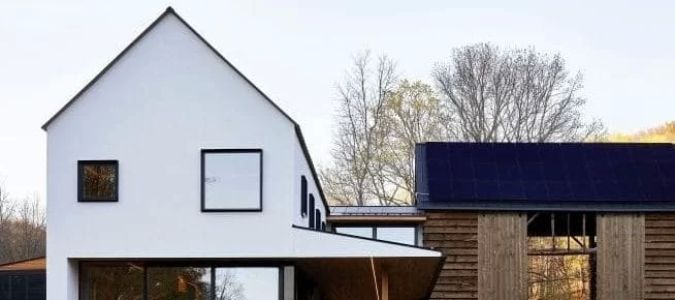
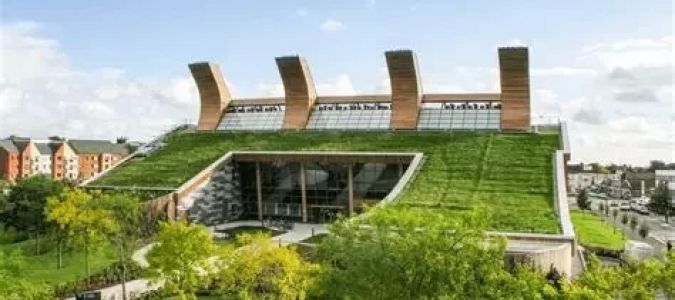
Modern architecture that embraces sustainability focuses on reducing energy consumption, utilizing renewable energy sources, and using materials that have a minimal environmental impact. This is something I’ve seen firsthand in the design of buildings that incorporate green roofs, solar panels, rainwater harvesting systems, and high-performance insulation. These elements aren’t just “nice-to-haves”—they are necessary for ensuring that buildings remain efficient and sustainable for years to come.
For instance, a home designed with sustainability in mind might feature passive solar heating, which reduces the need for artificial heating, or use recycled and locally sourced materials, thus lowering the environmental impact of construction. On a larger scale, commercial buildings can utilize smart technology to optimize energy use, monitor air quality, and create a more sustainable work environment. Sustainability in architecture also involves designing buildings that can adapt over time, reducing the need for demolitions or renovations that might otherwise contribute to waste and resource depletion.
3. How Functionality and Sustainability Work Together
At first glance, functionality and sustainability may seem like separate considerations. However, when done right, they work hand in hand to create spaces that are both practical and environmentally responsible. For example, modern homes and commercial spaces can incorporate energy-efficient designs that also provide maximum functionality. These designs might include things like strategically placed windows to optimize natural light, which reduces the need for artificial lighting, or using highly durable materials that minimize the need for repairs or replacements over time.
From my experience, the most successful modern architectural projects are those where functionality and sustainability are integrated seamlessly. A great example of this can be seen in buildings that incorporate smart home technologies—systems that not only make a home more convenient to live in but also optimize energy use. These smart systems might include things like energy-efficient thermostats, motion-sensor lighting, and appliances that reduce water and electricity consumption. They provide convenience while minimizing environmental impact, making them a win-win for both the user and the planet.
4. Real-Life Example: The Evolution of Sustainable Architecture
One of my favorite real-life examples of combining functionality and sustainability in modern architecture is the Bullitt Center in Seattle, often referred to as the “greenest commercial building in the world.” This seven-story office building features cutting-edge sustainable technologies like a rainwater harvesting system, solar panels, and composting toilets. However, what’s truly remarkable about the Bullitt Center is how it integrates these eco-friendly features into its design without sacrificing functionality.
The building’s design ensures natural ventilation and ample natural light, reducing the need for artificial heating, cooling, and lighting. At the same time, the use of locally sourced, sustainable materials ensures that the building has a minimal environmental impact. The Bullitt Center is a prime example of how modern architecture can meet the needs of both people and the planet, offering an office environment that is as comfortable and productive as it is sustainable.
5. Why Choose 10 Jay Street for Your Architectural Needs
If you’re looking for a company that understands the importance of both functionality and sustainability in modern architecture, look no further than 10 Jay Street. Whether you’re building a residential space or a commercial property, 10 Jay Street specializes in designing innovative, sustainable buildings that prioritize both environmental responsibility and practicality.
At 10 Jay Street, we combine cutting-edge architectural design with the latest in sustainable building technologies. Our team ensures that every project we undertake incorporates functionality, sustainability, and the latest trends in modern architecture. By choosing us, you’ll be investing in a space that meets your needs while contributing positively to the environment. Visit 10 Jay Street today to learn more about how we can help you bring your architectural vision to life with a focus on sustainability and functionality.