

- The Evolution of Open Concept Spaces
- Why Open Concept Spaces Are Popular in Modern Architecture
- The Benefits of Open Concept Spaces
- Challenges of Open Concept Spaces
- The Future of Open Concept Designs in Architecture
The Evolution of Open Concept Spaces
Open concept spaces have become a hallmark of modern architecture, dominating home and office design for the past few decades. But how did this design trend evolve to become so widespread? The shift towards open concept began in the mid-20th century, influenced by the growing desire for more spacious, flexible living environments. In the post-war era, many families sought homes that reflected their need for functionality, comfort, and connectivity, leading to the removal of walls and partitions that once separated rooms.
What started with a few architects seeking to create more fluid and connected spaces soon spread to mainstream design. Open kitchens, living areas without boundaries, and large, airy spaces became symbols of modern living. Over time, open concept designs were adopted in both residential and commercial properties, changing the way we interact with our spaces and the way these spaces are used. Today, open concept is seen as the epitome of modern, efficient, and inclusive design.
Why Open Concept Spaces Are Popular in Modern Architecture
As I reflect on why open concept spaces have remained popular in modern architecture, several key factors come to mind. These designs offer numerous advantages that suit the evolving lifestyles and preferences of today's homeowners and business owners. From improving the sense of space to enhancing natural light, open concept layouts have proven to be more than just a passing trend—they are practical and transformative.
1. Maximizing Space
One of the most obvious reasons people choose open concept spaces is the sense of increased space they provide. Removing walls between rooms allows for a seamless flow, making smaller spaces feel much larger. I’ve found that this openness is especially appealing in urban areas where space is limited. It’s also incredibly useful in homes where flexibility is key, such as for growing families or those who frequently entertain guests.
2. Enhanced Natural Light
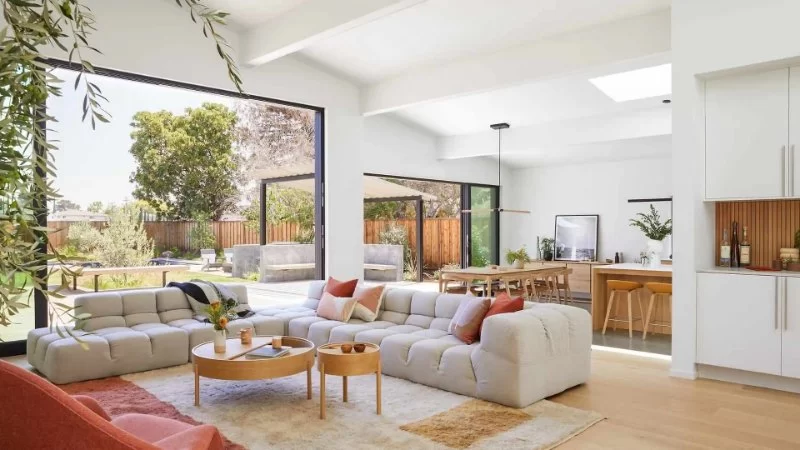
Another benefit that draws people to open concept spaces is the abundance of natural light. With fewer walls to block light from windows, the light is able to spread throughout the entire living area. This not only makes the space feel more vibrant but also contributes to the overall health and well-being of the residents. I’ve personally experienced how much lighter and airier a room can feel when walls are removed to let in more light.
3. Creating a Sense of Connection
In an open concept space, every area feels connected, which fosters a sense of togetherness. This is especially beneficial in homes where families spend a lot of time together, such as in living rooms, kitchens, and dining areas. Instead of being isolated in separate rooms, family members can easily communicate, share experiences, and bond more naturally. I’ve seen this firsthand in open kitchens, where the cook can interact with family members or guests while preparing meals, fostering a sense of inclusion.
The Benefits of Open Concept Spaces
Open concept designs are not only popular but come with several key benefits that make them a smart choice in modern architecture. These advantages go beyond aesthetics—they influence the way we live, work, and interact with our environment. Here are some of the most compelling reasons open concept spaces continue to be favored:
1. Flexibility and Versatility
One of the most notable advantages of open concept spaces is their versatility. Without walls dividing rooms, these spaces can easily be adapted for different uses over time. For instance, a living room can double as a work-from-home office, or a dining area can be transformed into a home entertainment space. This flexibility is particularly appealing to people with evolving needs or those who enjoy changing their environment. It’s all about making the most of the space you have.
2. Promotes Social Interaction
In both homes and businesses, open concept layouts promote social interaction. In a home setting, it allows families to stay connected, whether they’re cooking, working, or relaxing in different areas of the house. In the office, open spaces foster collaboration and teamwork, with fewer physical barriers between employees. This open-flow design helps eliminate feelings of isolation and encourages a sense of community within the space.
3. Modern and Trendy Aesthetic
Open concept spaces often embody a sleek, minimalist aesthetic that appeals to those seeking a modern lifestyle. The clean lines and uncluttered look of these spaces create a fresh and contemporary atmosphere. Whether you're designing a home or a business, an open concept layout can elevate the space, making it feel chic and on-trend. I’ve noticed that many people who embrace this design are drawn to its simplicity and elegance, reflecting their personal taste and style.
Challenges of Open Concept Spaces
While open concept spaces offer many benefits, they are not without their challenges. These designs can create certain difficulties that need to be carefully considered before making the switch. Understanding these challenges is key to deciding whether an open concept layout is right for you.
1. Lack of Privacy
One of the biggest drawbacks I’ve heard from people about open concept spaces is the lack of privacy. Without walls to separate rooms, activities and conversations from different areas can easily be overheard. For families with teenagers or multiple adults living in the same home, this can be a challenge. In business settings, the open environment can make it harder for employees to have private discussions or focus on tasks without distractions.
2. Noise Control Issues
Open spaces are notorious for amplifying sound. Whether it’s the chatter of family members, the noise of kitchen appliances, or the sound of television, noise can easily carry across the room. In homes, this can lead to distractions or disruptions, especially if you’re trying to work or relax in a quieter environment. In office settings, noise can be a productivity killer. There are ways to mitigate this with acoustic treatments or soundproofing, but it’s something to keep in mind when considering an open concept layout.
3. Heating and Cooling Efficiency
Another challenge that comes with open concept designs is the difficulty of managing heating and cooling. In larger spaces, it can be more difficult to regulate temperature evenly throughout the room. This can lead to certain areas of the space being too warm while others are too cool. Investing in zoned heating and cooling systems can help alleviate this issue, but it requires additional planning and investment.
The Future of Open Concept Designs in Architecture
Despite some of the challenges, open concept designs continue to thrive, and their influence on modern architecture shows no signs of slowing down. In fact, the future of open concept spaces seems even more promising, with advancements in technology and design allowing for more innovative solutions to common issues like privacy and noise control.
As technology advances, we may see new types of materials, partitions, or smart designs that create flexible spaces that can be easily adapted for different uses. With the growing trend of work-from-home setups and multi-functional spaces, I believe that open concept designs will evolve to meet these needs, allowing for greater customization and adaptability without compromising the sense of openness and connectivity that people love.
If you’re considering designing or remodeling an open concept space, I highly recommend exploring various design ideas and products at 10 Jay Street. They offer innovative solutions and expert advice that can help you make the most of your space while addressing any challenges that might arise in an open layout.