

Why Sustainable Building Materials Are Key to the Future of Architecture
- -The Growing Importance of Sustainability in Architecture
- -The Benefits of Sustainable Building Materials
- -Innovative Sustainable Materials Transforming Architecture
- -Real-World Examples of Sustainable Architecture
- -The Future of Sustainable Architecture and Building Materials
1. The Growing Importance of Sustainability in Architecture
As an architecture enthusiast and someone who has followed industry trends closely, I've seen firsthand how sustainability has become a key pillar in modern building practices. In today’s world, environmental concerns, such as climate change and resource depletion, are driving a significant shift in the way we design and construct buildings.
The need to create eco-friendly, sustainable spaces is no longer just a trend but a necessity. As the world’s population grows and urbanization continues at an unprecedented rate, there is increasing pressure to reduce the environmental footprint of the buildings we live and work in. This is where sustainable building materials come into play. These materials not only minimize environmental damage but also promote energy efficiency, reduce waste, and improve the overall quality of life for inhabitants.
Incorporating sustainable materials into architecture isn't just about meeting current demands; it’s about creating a legacy for future generations. As an architect, it's essential to understand that every decision made in the design process—whether it’s choosing insulation or selecting flooring—has an impact on the planet. Sustainable architecture is reshaping how we think about construction, and it's exciting to witness this transformation firsthand.
2. The Benefits of Sustainable Building Materials
The shift towards sustainable building materials offers numerous benefits—not just for the environment, but also for builders, occupants, and the broader community. Here are some key advantages I’ve observed as sustainable materials gain prominence in the industry:
1. Environmental Impact:
Sustainable materials, such as bamboo, recycled steel, and reclaimed wood, are produced with minimal environmental harm. By using these materials, we can significantly reduce the carbon footprint of buildings. These materials are often sourced responsibly, ensuring that their production doesn’t contribute to deforestation or pollution.
2. Energy Efficiency:
Many sustainable materials, like high-performance insulation, are designed to improve the energy efficiency of a building. This results in lower energy consumption and utility bills for building occupants. I’ve seen clients appreciate this long-term benefit, especially in energy-conscious markets.
3. Improved Health and Comfort:
Sustainable materials often promote better indoor air quality. Low-VOC paints, natural flooring options, and non-toxic insulation contribute to a healthier indoor environment. As someone who spends time in these spaces, it’s clear that such materials enhance comfort and wellbeing.
4. Cost Savings in the Long Term:
While sustainable materials may have a higher upfront cost, they offer significant savings over time through energy efficiency and reduced maintenance needs. In fact, many of the buildings I’ve worked on using sustainable materials show a faster return on investment due to reduced operational costs.
3. Innovative Sustainable Materials Transforming Architecture
The world of sustainable materials is constantly evolving, and I’m amazed by the innovative solutions emerging in the market. Here are a few materials that are redefining modern architecture:
1. Cross-Laminated Timber (CLT):
One of the most exciting materials I’ve encountered in recent years is Cross-Laminated Timber (CLT). This engineered wood product is lightweight, durable, and has a lower carbon footprint compared to traditional concrete and steel. It’s being used for everything from residential buildings to skyscrapers, offering a natural aesthetic while being incredibly strong and sustainable.
2. Recycled Steel:
Recycled steel is another game-changer. Steel is one of the most recycled materials globally, and when reused, it maintains its strength and integrity. It’s increasingly being used for structural support in buildings, reducing the need for virgin steel production and cutting down on energy use.
3. Solar Glass:
As solar energy becomes a more integral part of sustainable buildings, solar glass is an emerging solution. This transparent material can generate electricity while still letting natural light into the building. I’ve seen some incredible installations of solar windows, which not only provide energy but also maintain the building’s aesthetic appeal.
4. Green Roofs:
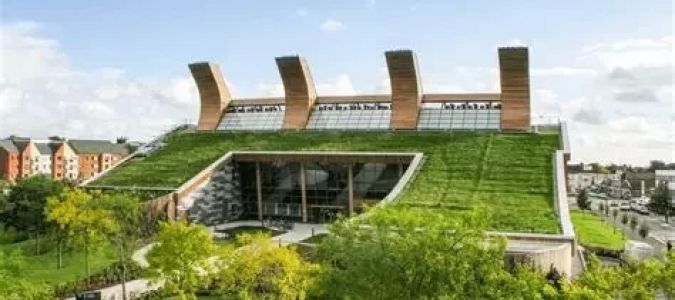
Green roofs, covered with vegetation, are another innovative solution. They help manage stormwater, improve insulation, and create natural habitats in urban environments. These roofs are transforming city skylines and providing an oasis of greenery in the concrete jungle.
4. Real-World Examples of Sustainable Architecture
One of the best ways to understand the impact of sustainable materials is by looking at real-world examples. I’m always inspired by projects like the Bosco Verticale (Vertical Forest) in Milan, Italy. This innovative skyscraper uses a variety of green materials and techniques, including vertical gardens, to reduce energy consumption and enhance the quality of life for its residents.
Closer to home, there are several notable projects in the United States, such as the Bullitt Center in Seattle, which is considered one of the greenest commercial buildings in the world. The building’s design includes a range of sustainable materials, such as reclaimed wood and energy-efficient glass, ensuring it operates at near-net-zero energy levels.
These examples prove that sustainable architecture is not just possible; it’s already here and transforming cities globally. As architects, we have a responsibility to prioritize these materials and ensure that our designs are aligned with the future of our planet.
5. The Future of Sustainable Architecture and Building Materials
Looking ahead, the future of sustainable architecture seems incredibly promising. Advances in technology are making sustainable materials more affordable and accessible, meaning we will likely see an increase in their use. Additionally, the rise of green building certifications like LEED (Leadership in Energy and Environmental Design) and the growing demand for sustainable homes will continue to push the industry in this direction.
There’s also growing interest in regenerative design, where buildings go beyond sustainability to restore or enhance the environment. Innovations like carbon-capturing materials and self-healing concrete are just the beginning. As someone passionate about the future of architecture, I’m excited to see how these trends will evolve.
If you’re interested in learning more about sustainable building materials and how they can be incorporated into your architectural projects, I recommend checking out 10 Jay Street for expert advice and quality products that support sustainable design.