

1. The Role of Transparency in Sustainable Architecture
In today’s architectural landscape, sustainability is more than just a trend – it’s a responsibility. One of the key components of sustainable architecture is transparency. This concept goes beyond clear glass windows or open layouts; it encompasses the idea of openness in design, energy efficiency, and environmental awareness. By embracing transparency, architects can create spaces that are both eco-friendly and aesthetically pleasing.
2. What Does Transparency in Architecture Mean?
Transparency in architecture refers to the use of materials, design strategies, and technologies that allow for the seamless integration of natural light, efficient energy use, and environmentally friendly practices. This doesn’t only involve physical transparency, such as large glass panels and windows but also involves transparent processes in decision-making about sustainability, such as using eco-conscious materials, planning energy-efficient layouts, and promoting natural ventilation.
2.1 Physical Transparency: Bringing the Outdoors In
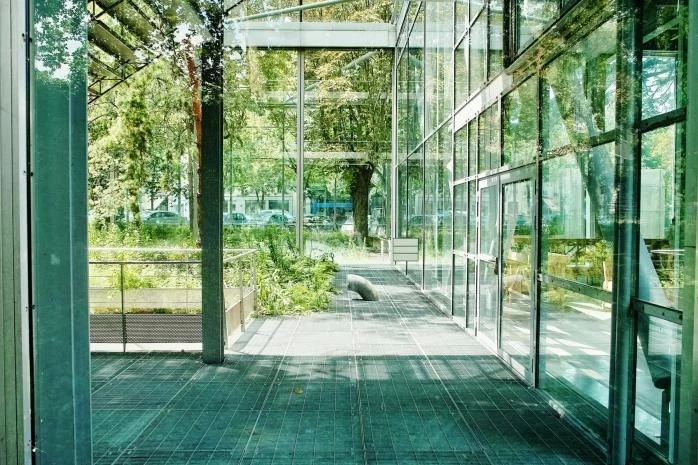
When most people think of transparency in architecture, they think of the literal use of glass and windows. Natural light is a crucial element in sustainable design as it reduces the need for artificial lighting, saving energy. Large windows, open-plan layouts, and glass walls blur the line between indoor and outdoor spaces, which helps create a sense of harmony with the environment. Beyond light, expansive windows also offer stunning views and connect the occupants to nature, reducing stress and improving well-being.
2.2 Transparent Processes: Eco-Conscious Decision Making
While physical transparency is important, the concept also includes transparent practices in design and construction. Sustainable architects are increasingly committed to providing clients with detailed information on the environmental impact of their design choices. This transparency ensures that materials used in construction are sourced responsibly, energy-efficient solutions are prioritized, and designs reflect the values of environmental stewardship.
3. How Transparency Promotes Energy Efficiency in Sustainable Design
Transparency is not just about aesthetics; it’s about enhancing energy efficiency. By integrating sustainable building practices, transparency helps reduce a building’s carbon footprint while providing occupants with a comfortable and healthy living environment. Let’s explore a few of the ways transparency supports energy efficiency:
3.1 Natural Lighting and Passive Solar Design
Designing buildings with transparency at the forefront allows for maximum use of natural light. This not only reduces electricity usage but also utilizes passive solar heating, which can significantly lower energy bills. A well-designed building that maximizes sunlight during the day will need less artificial lighting, which directly contributes to a building’s overall energy efficiency. Additionally, transparent materials like glass can be treated or designed to reduce heat loss during the colder months, making passive solar energy even more effective.
3.2 Thermal Insulation and Modern Glass Technology
One of the challenges of using transparent materials like glass in sustainable design is ensuring that they are energy-efficient. However, advances in modern glass technologies have created windows that offer both transparency and thermal insulation. Low-emissivity (Low-E) glass, for instance, allows natural light to enter while preventing heat from escaping. These windows help maintain an interior climate, reducing the need for heating or air conditioning and contributing to long-term energy savings.
4. Case Studies: Transparent Architecture in Sustainable Projects
Many architects and designers have embraced transparency to create stunning, sustainable buildings. Let’s take a look at a few examples where transparent architecture has been implemented effectively:
4.1 The Edge – Amsterdam
The Edge, a modern office building in Amsterdam, is a prime example of transparency in design. This sustainable building uses smart technology and large glass windows to optimize energy use. The integration of transparent materials allows for the building to maintain a natural flow of light while reducing energy consumption. The building’s design also includes efficient insulation and energy-efficient heating systems, making it one of the most sustainable office buildings in the world.
4.2 The Bullitt Center – Seattle
Known as one of the greenest commercial buildings in the United States, the Bullitt Center in Seattle also incorporates transparency to enhance its sustainability. The design features large windows that not only let in natural light but also contribute to the building’s passive solar heating system. The transparent materials used throughout the structure work alongside renewable energy sources, including solar panels, to make the building an energy-positive space.
5. The Benefits of Transparency in Sustainable Architecture
Integrating transparency into architectural design offers a variety of benefits, from environmental advantages to improved quality of life for building occupants. Here are some of the key benefits:
5.1 Reduced Energy Consumption
Buildings designed with transparency often use less energy due to the effective use of natural light, passive solar heating, and energy-efficient materials. By minimizing the need for artificial lighting and reducing heating and cooling requirements, these buildings significantly reduce energy consumption and costs.
5.2 Improved Health and Well-Being
Studies have shown that access to natural light and views of the outdoors can improve mental and physical health. Transparent architectural features allow for better connections to nature, leading to higher levels of productivity and well-being for building occupants. This aspect is especially important in residential, office, and healthcare buildings, where quality of life is a key priority.
5.3 Aesthetic Appeal
Transparency is not just functional—it also enhances the aesthetic appeal of buildings. Large glass panels and open layouts create airy, spacious environments that are visually pleasing. Transparency in architecture is often associated with modern, sleek designs that reflect a sense of openness and connectivity with the surrounding environment.
6. How to Incorporate Transparency in Your Own Designs
If you’re an architect, designer, or homeowner looking to integrate transparency into your building projects, there are several key considerations:
6.1 Choose the Right Materials
When incorporating transparency into a design, it’s essential to choose the right materials. Modern glass technologies, such as Low-E glass, offer both transparency and energy efficiency. Additionally, other transparent materials like polycarbonate or acrylic sheets can be used in areas where high-strength and durability are needed.
6.2 Focus on Sustainable Construction
Ensure that the materials used are not only transparent but also sustainable. Use eco-friendly materials, such as recycled glass and low-impact building components, to reduce the environmental footprint of the building. Pay attention to the life-cycle of materials to ensure that they are both durable and sustainable in the long term.
6.3 Integrate Technology for Energy Efficiency
Combine transparent design elements with smart technologies to optimize energy use. Smart windows that automatically adjust tint based on sunlight, automated heating and cooling systems, and renewable energy sources such as solar panels can all work together to create a sustainable, energy-efficient building.
7. Conclusion: Embracing Transparency for a Sustainable Future
Transparency in architecture is not just about aesthetic appeal—it is a vital component of sustainable design. By embracing transparency, we can create buildings that not only reduce energy consumption but also improve the well-being of their occupants. Whether you’re an architect, a designer, or a homeowner, prioritizing transparency in your projects will contribute to a greener, more sustainable future. For more ideas on incorporating sustainability into your designs, explore 10 Jay Street for the best products and services.