

How to Design a Beautiful and Energy-Efficient Building
energy-efficient building, beautiful architecture, sustainable design, green building tips, eco-friendly architecture, energy-saving design, building materials for energy efficiency
Discover the key elements in designing a building that is both beautiful and energy-efficient. Learn how sustainable design principles can create a visually appealing and environmentally friendly structure.
Understanding the Importance of Energy-Efficient Design
Designing a building that is both beautiful and energy-efficient is more important than ever. With rising energy costs and growing environmental concerns, architects and builders are tasked with finding innovative ways to create spaces that not only look good but also contribute positively to the planet. Energy-efficient buildings reduce their carbon footprint, lower operating costs, and provide better comfort for occupants. But how can you achieve this balance between aesthetics and sustainability?
Key Factors to Consider When Designing an Energy-Efficient Building
1. Location and Orientation
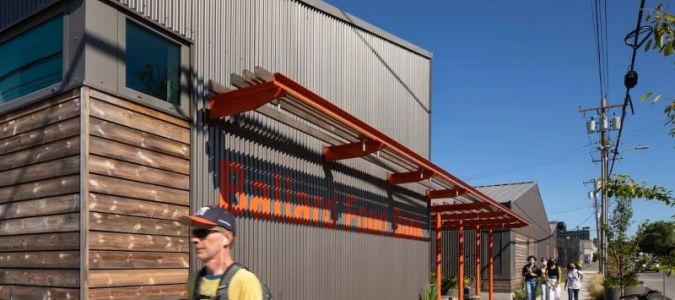
The placement of the building plays a huge role in its energy efficiency. For example, a building positioned to take advantage of natural sunlight can benefit from passive solar heating. Strategically orienting windows and doors can maximize natural light, reducing the need for artificial lighting and helping to heat the building naturally during colder months. Additionally, shading devices like overhangs or trellises can reduce heat gain from the sun during the summer, keeping the building cooler without relying on air conditioning.
2. Insulation and Thermal Envelope
One of the key components of energy efficiency is a well-insulated building. Proper insulation helps to maintain a consistent internal temperature, reducing the need for heating and cooling. Advanced materials like spray foam, fiberglass, and cellulose insulation are popular choices for improving a building’s thermal envelope. A well-insulated roof, walls, and floors will keep warm air inside during the winter and cool air inside during the summer, contributing to the overall energy efficiency of the structure.
3. High-Performance Windows and Doors
Windows and doors are often the weakest points in a building’s energy performance. Installing energy-efficient windows with low-emissivity (Low-E) coatings can help reduce heat loss in winter and heat gain in summer. Triple-pane windows are another option for reducing energy loss while providing excellent insulation. Additionally, high-performance doors can contribute to a tighter seal around the building, preventing drafts and reducing energy consumption.
4. Sustainable Building Materials
The materials you choose for your building can have a significant impact on its energy efficiency. Opting for locally sourced, recycled, or renewable materials can help reduce the carbon footprint of construction. For example, using bamboo flooring, reclaimed wood, and recycled steel can reduce the environmental impact. Materials like straw bale and rammed earth also offer excellent insulation properties, reducing the need for additional heating or cooling.
5. Incorporating Renewable Energy Sources
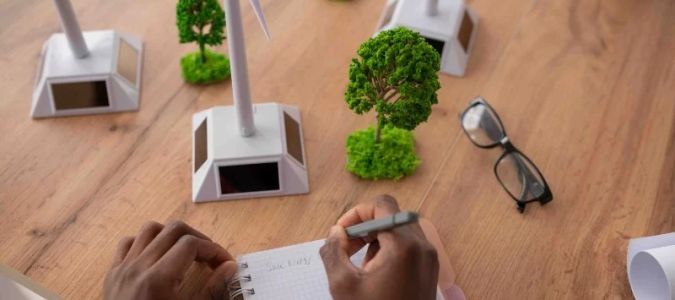
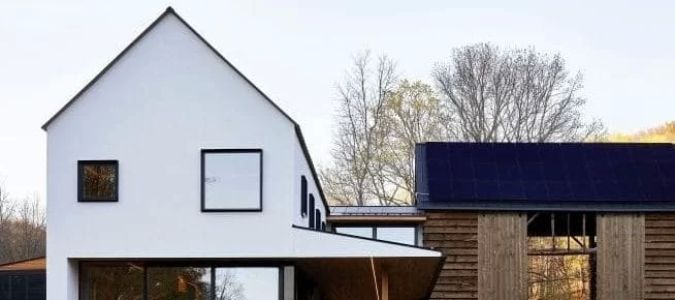
Integrating renewable energy sources, such as solar panels or wind turbines, is one of the most effective ways to enhance a building’s energy efficiency. Solar panels can harness the power of the sun to generate electricity and heat, reducing reliance on grid energy. Wind turbines, when applicable, can also help produce clean energy, especially in areas with consistent wind patterns. Including renewable energy technologies in the design of a building helps reduce long-term energy costs and promotes sustainability.
Balancing Aesthetics and Functionality
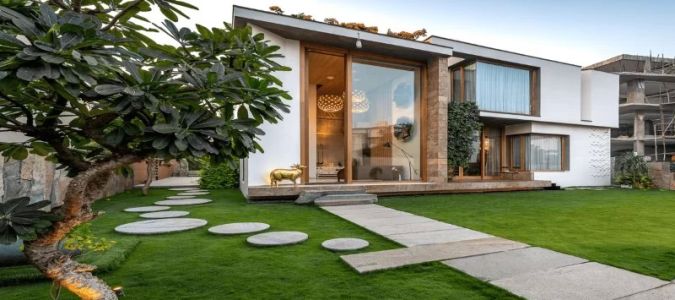
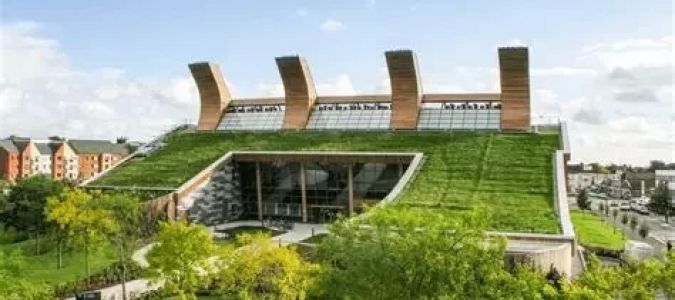
While energy efficiency is critical, beauty and functionality should never be compromised. The design of a building should still reflect the style and aesthetic preferences of the owner or community. Fortunately, modern architecture offers plenty of ways to combine both. Energy-efficient designs can incorporate large windows for natural light, green roofs for added insulation, and open floor plans that maximize space without sacrificing beauty. Materials like glass, wood, and natural stone can be used to create a stunning aesthetic while still meeting energy efficiency goals.
Real-Life Examples of Beautiful and Energy-Efficient Buildings
There are numerous examples of buildings that successfully marry beauty with energy efficiency. One example is the One Central Park building in Sydney, Australia. This residential complex features a green roof, integrated solar panels, and natural ventilation systems. The stunning design of the building, combined with its energy-efficient features, has made it a landmark in sustainable architecture.
Another example is the Burj Khalifa in Dubai, which incorporates smart technologies to reduce its energy consumption. The building uses reflective glass to reduce heat gain, and the lighting systems are designed to be highly energy-efficient. Despite its size, the Burj Khalifa is considered one of the most energy-efficient skyscrapers in the world.
How to Incorporate Energy-Efficient Design into Your Own Building Projects
If you're embarking on a building project, it's essential to consider both aesthetic goals and energy efficiency from the start. Work closely with architects and builders who have experience in sustainable design. By integrating energy-efficient elements early in the planning process, you’ll ensure that your building is both beautiful and environmentally responsible.
Whether you’re designing a home, an office building, or a commercial space, the goal is to create a harmonious balance between functionality, comfort, and sustainability. At 10 Jay Street, we specialize in creating energy-efficient, beautiful spaces that stand the test of time.