


- Core Principles of Designing Sustainable Smart Cities
- Building the Right Infrastructure
- Leveraging Technology for Sustainability
- Real-World Examples of Smart, Sustainable Cities
- Challenges in Creating Sustainable Smart Cities
1. Core Principles of Designing Sustainable Smart Cities
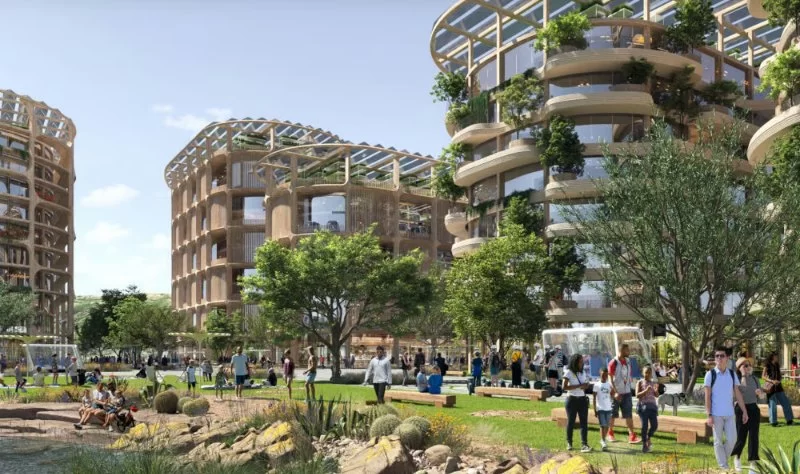
Designing a sustainable smart city is more than just about incorporating cutting-edge technology; it’s about ensuring that the urban environment functions harmoniously with nature. The key principles involve resource efficiency, reducing environmental footprints, and improving the quality of life for residents. It starts with an overarching vision that focuses on green spaces, energy-efficient buildings, and sustainable transportation options.
When it comes to sustainability, one of the first steps is integrating eco-friendly technologies, such as renewable energy systems (solar, wind, etc.) and energy-efficient materials for construction. Incorporating green roofs, rainwater harvesting, and energy-efficient public lighting is also key to creating a resilient urban ecosystem.
2. Building the Right Infrastructure
The infrastructure of a smart city should reflect its commitment to sustainability. This means incorporating green infrastructure that enhances urban biodiversity while reducing energy consumption and waste. Smart grids, efficient public transportation, and green public spaces are just a few examples of infrastructure that contribute to environmental sustainability. For example, smart buildings with energy-efficient HVAC systems, low-energy lighting, and automated waste management systems can significantly reduce a city's carbon footprint.
Urban planners need to ensure that every aspect of the city's infrastructure, from sewage systems to water management, contributes to the overall goal of sustainability. By implementing sustainable design strategies, cities can minimize their negative impact on the environment while improving residents' well-being.
3. Leveraging Technology for Sustainability
Technology plays a crucial role in making cities smarter and more sustainable. The Internet of Things (IoT), artificial intelligence (AI), and big data are transforming urban life, from traffic management to waste disposal. In a sustainable smart city, technology enables systems to optimize energy consumption, monitor pollution levels, and track resource usage in real-time.
For instance, sensors embedded in urban infrastructure can monitor air quality, temperature, and energy usage. With this data, the city can implement proactive measures to reduce pollution, optimize energy use, and ensure more sustainable living conditions. Furthermore, smart transportation systems can reduce congestion and promote cleaner, more efficient public transit options, such as electric buses and car-sharing platforms.
4. Real-World Examples of Smart, Sustainable Cities
Several cities around the world are leading the way in creating sustainable, smart urban environments. For example, in Singapore, the city-state is leveraging technology to manage resources efficiently and reduce its environmental impact. Its smart city infrastructure includes advanced waste management systems, energy-efficient buildings, and extensive green spaces. The city’s commitment to sustainability is embedded in its planning, with a focus on making urban living more eco-friendly.
Another great example is Copenhagen, Denmark. The city is known for its green initiatives, including a goal to become carbon-neutral by 2025. The city’s infrastructure incorporates renewable energy, bike-friendly paths, and a comprehensive public transport system designed to reduce reliance on private cars.
5. Challenges in Creating Sustainable Smart Cities
While the benefits of smart cities are clear, creating them is not without challenges. One of the primary obstacles is the financial investment required for developing advanced infrastructure. Many cities struggle with the high initial costs of implementing sustainable technologies, even if they promise long-term savings and environmental benefits.
Additionally, data privacy and security concerns can arise when collecting real-time data from residents and urban systems. Ensuring that data is protected and used ethically is crucial to maintaining public trust in smart city initiatives. Lastly, there may be resistance to change, with some residents and businesses hesitant to adopt new technologies or adjust to more sustainable practices.