

- Understanding Smart Architecture in the Workplace
- Designing a Productive Office Space
- Key Elements of Smart Office Architecture
- Case Study: How Smart Architecture Improved Office Productivity
- The Future of Smart Architecture in Office Design
Understanding Smart Architecture in the Workplace
Smart architecture refers to the integration of advanced technologies and sustainable design principles to create efficient and comfortable spaces. In the context of office spaces, it involves designing environments that not only look aesthetically pleasing but also improve the productivity and well-being of employees. This approach uses data, automation, and innovative materials to optimize every aspect of the workspace.
By incorporating smart architecture into your office, you can create a flexible environment that adapts to the needs of your team. Whether it's lighting that adjusts based on natural sunlight or desk configurations that encourage collaboration, smart design has the power to transform how employees interact with their workspace.
Designing a Productive Office Space
When designing an office space with productivity in mind, it’s important to consider how the layout, design elements, and technological integration can foster creativity, focus, and collaboration.
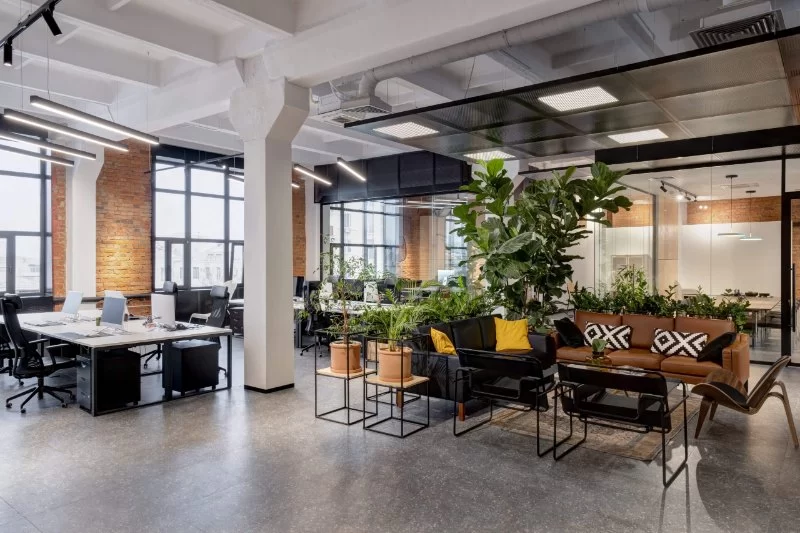
1. Open Layouts and Flexibility: Open office layouts that include flexible spaces can improve collaboration. Modular furniture, movable partitions, and versatile seating options give employees the ability to customize their work areas for the task at hand.
2. Natural Light: Maximizing natural light is essential for enhancing productivity. Offices that allow employees to experience daylight have been shown to improve mood, energy, and focus. Smart windows or shades can regulate light levels while maintaining privacy.
3. Ergonomics and Comfort: A comfortable and ergonomically designed office reduces physical strain and improves focus. Adjustable desks, ergonomic chairs, and personalized lighting can significantly enhance comfort and productivity.
4. Quiet Zones: Providing quiet areas where employees can concentrate on tasks without distractions is vital for high productivity. These zones can be designed using soundproof materials or movable acoustic panels for flexibility.
Key Elements of Smart Office Architecture
Smart architecture in offices goes beyond just aesthetic changes. Key elements that contribute to a productive, smart office space include:
- Smart Lighting: Automated lighting systems that adjust based on the time of day or occupancy help reduce energy consumption and create a more pleasant atmosphere.
- Climate Control: Smart HVAC systems can automatically adjust temperature and humidity levels based on the number of occupants and the external weather, ensuring comfort while optimizing energy usage.
- Integrated Technology: Technology plays a pivotal role in smart office design. High-speed internet, wireless charging stations, and interactive displays improve workflow and enhance communication between employees.
- Sustainability Features: Using energy-efficient materials, recycling systems, and low-energy appliances not only reduces the environmental footprint but also creates a healthier working environment.
By integrating these elements into your office design, you can create a space that is not only efficient but also supportive of employee well-being and productivity.
Case Study: How Smart Architecture Improved Office Productivity
Consider the case of Tech Innovations Inc., a growing tech company that decided to redesign its office space with smart architecture principles. Prior to the redesign, employees often complained of fatigue, distractions, and discomfort, leading to decreased productivity. After implementing a new design featuring open spaces, ergonomic furniture, and smart lighting, the company saw a significant improvement in employee satisfaction and productivity.
The integration of smart lighting systems allowed employees to work under optimal lighting conditions throughout the day, and adjustable desks enabled them to alternate between sitting and standing, improving overall comfort. The open layout encouraged collaboration, while dedicated quiet zones gave employees the space they needed for focused work.
Within three months, the company reported a 25% increase in productivity and a noticeable improvement in employee morale. This success story illustrates the power of smart architecture to transform office spaces and create environments that boost efficiency and well-being.
The Future of Smart Architecture in Office Design
The future of office design is increasingly leaning toward integrating cutting-edge technologies and flexible spaces that support hybrid working models. As businesses continue to adapt to remote and hybrid work trends, smart architecture will play a crucial role in ensuring that office spaces remain functional and adaptable.
Some emerging trends in office design include:
- Hybrid Workspaces: Offices are becoming more adaptable, allowing employees to choose between working remotely or from the office based on the tasks at hand.
- Health and Well-being Focus: Offices will continue to prioritize employee well-being with features like biophilic design (incorporating natural elements) and improved air quality systems.
- AI-Driven Office Management: AI and machine learning will be used to predict and optimize office conditions, such as temperature, lighting, and even workspace allocation based on employee behavior.
As these trends unfold, the role of smart architecture in office design will only grow, helping businesses create spaces that foster productivity, collaboration, and employee satisfaction.
For more information on creating a smart office design, visit 10 Jay Street for expert recommendations on the best products and services to enhance your workspace.