


1. The Role of Architects in Designing Public Infrastructure
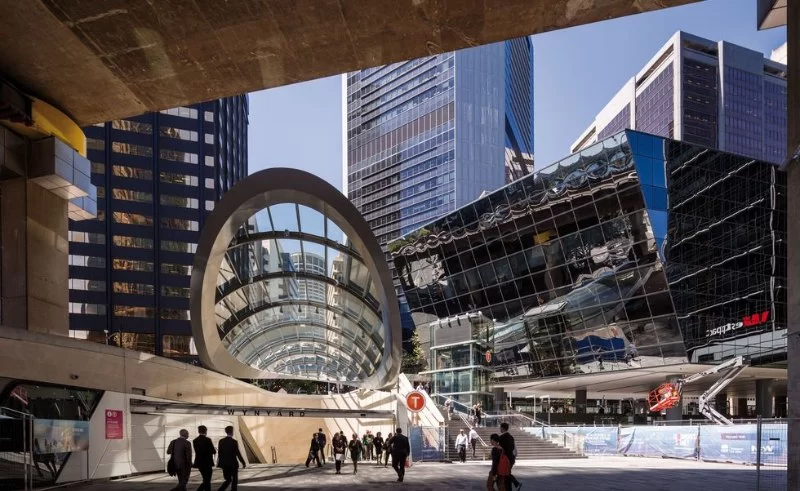
Architects are often thought of as the masterminds behind grand buildings, but their expertise extends far beyond skyscrapers and residential homes. In fact, architects play a crucial role in designing public infrastructure—an essential component in making cities function efficiently and harmoniously. Whether it’s designing roads, bridges, parks, or public transportation systems, architects help create the framework that allows modern cities to thrive.
2. How Architects Shape City Planning
City planning is a complex process, and architects are integral to its success. They work closely with urban planners, engineers, and government officials to ensure that public infrastructure is not only functional but also visually appealing, sustainable, and accessible for all residents. Let’s take a closer look at how architects influence various aspects of public infrastructure.
2.1 Designing Transportation Systems
One of the most significant ways architects impact public infrastructure is by designing transportation systems. Roads, bridges, train stations, and airports are essential to city life, and architects must ensure they are efficient, safe, and adaptable to future needs. For instance, the design of highways and pedestrian walkways can influence traffic flow, reduce congestion, and enhance safety. Public transportation hubs, such as bus terminals and subway stations, also require thoughtful design to accommodate high foot traffic while providing a welcoming and functional environment.
2.2 Integrating Green Spaces and Urban Parks
Architects are also responsible for designing public green spaces and urban parks, which are vital for the health and well-being of a city's residents. These spaces provide areas for recreation, relaxation, and community activities, while also enhancing the overall aesthetic of the city. A well-designed park can serve as an urban oasis, helping to combat the challenges of urbanization such as air pollution and noise. Architects must consider elements like accessibility, environmental sustainability, and the integration of natural features when designing these spaces.
3. Key Elements in Public Infrastructure Design
When architects approach public infrastructure projects, they must consider several key elements to ensure that the infrastructure meets both immediate and long-term needs. Let’s explore some of these critical factors:
3.1 Functionality and Practicality
One of the foremost concerns in designing public infrastructure is functionality. Whether it’s a new bridge, a public transit station, or a public square, the infrastructure must serve its intended purpose efficiently. Architects must carefully plan the layout, accessibility, and materials used to ensure the structure is both practical and user-friendly. For example, transportation hubs must be designed to handle high volumes of commuters while providing clear signage and comfortable spaces for waiting.
3.2 Sustainability and Environmental Impact
Today’s architects are increasingly focused on sustainability in public infrastructure projects. This includes using eco-friendly materials, designing for energy efficiency, and considering the long-term environmental impact of their designs. Green roofs, solar panels, and rainwater harvesting systems are just a few examples of how architects incorporate sustainability into their designs. The goal is not only to meet the needs of the present but also to protect the planet for future generations.
3.3 Aesthetic Considerations
While functionality is essential, architects must also consider the aesthetic impact of public infrastructure. Public spaces are often the first impression visitors have of a city, and a visually pleasing environment can contribute to a city’s identity and attractiveness. Architects must balance the demands of functionality with artistic expression, ensuring that infrastructure contributes to the city’s overall character and charm. Iconic landmarks, like the Sydney Opera House or the Golden Gate Bridge, are prime examples of how well-designed infrastructure can become a symbol of the city itself.
4. Challenges and Innovations in Public Infrastructure Design
Designing public infrastructure is not without its challenges. Architects must navigate various constraints, including budget limitations, regulatory requirements, and the diverse needs of the community. However, the field of public infrastructure design is constantly evolving, with architects finding innovative ways to overcome these challenges and create more efficient, sustainable, and beautiful spaces.
4.1 The Role of Technology in Smart Cities
In recent years, the concept of “smart cities” has gained traction, with architects playing a significant role in integrating technology into public infrastructure. Smart cities use data and technology to optimize urban life, from traffic management systems to energy-efficient buildings. Architects are designing infrastructure that incorporates sensors, IoT devices, and advanced data analytics to improve everything from waste management to energy consumption. This technology-driven approach allows for better planning, improved services, and a higher quality of life for residents.
4.2 Building Resilient Infrastructure for Climate Change
Climate change presents new challenges for public infrastructure, with rising sea levels, extreme weather events, and shifting environmental conditions. Architects are increasingly tasked with designing infrastructure that is resilient and adaptable to these changes. This might involve raising roads and bridges above flood levels, using more durable materials to withstand extreme weather, or incorporating natural systems, such as wetlands, to protect urban areas from flooding. Resilient infrastructure ensures that cities can continue to function and thrive, even in the face of climate-related challenges.
5. Real-Life Examples of Successful Public Infrastructure Designs
Several cities around the world have embraced innovative architectural designs for their public infrastructure, leading to transformative changes. For example, in Copenhagen, Denmark, the city has integrated sustainable urban design with public infrastructure, including bike lanes, pedestrian-friendly streets, and energy-efficient buildings. The city’s focus on creating a green, livable environment has made it one of the most sustainable urban spaces in the world.
Another example is the city of Curitiba in Brazil, known for its innovative bus rapid transit (BRT) system. Architects and urban planners worked together to create a highly efficient and affordable public transportation network that has become a model for cities around the globe. Curitiba’s BRT system demonstrates how thoughtful infrastructure design can improve urban mobility and reduce environmental impact.
These real-world examples illustrate the importance of architects in designing public infrastructure that serves the needs of communities while also promoting sustainability, resilience, and innovation. Their role is crucial in shaping the future of our cities and ensuring that we have the infrastructure needed to thrive in the modern world.
For more information on innovative architectural designs and public infrastructure projects, visit 10 Jay Street, where you can discover the latest trends in urban planning and design.