

Understanding Urban Planning and Architecture
When I first started exploring the fields of urban planning and architecture, I was surprised by how interconnected they are. Urban planning and architecture are not just about designing beautiful buildings or managing cities' growth—they’re about creating environments where people can live, work, and thrive. It’s about balance, sustainability, and envisioning spaces that serve the community both now and in the future.
As I began diving deeper into these fields, I learned how essential these disciplines are to the development of any modern city. Cities are not just places with buildings and roads; they are ecosystems where architecture, planning, and public spaces come together to shape the way people interact with their environment. This guide will walk you through the basics of urban planning and architecture, and how these elements influence the cities we live in.
The Role of Urban Planning
Urban planning is the process of designing and organizing a city’s infrastructure, public spaces, and community facilities. As I learned, it involves much more than just building roads and ensuring transportation systems work. Urban planning is about creating a comprehensive vision for a city's future growth and development.
1. Defining Land Use
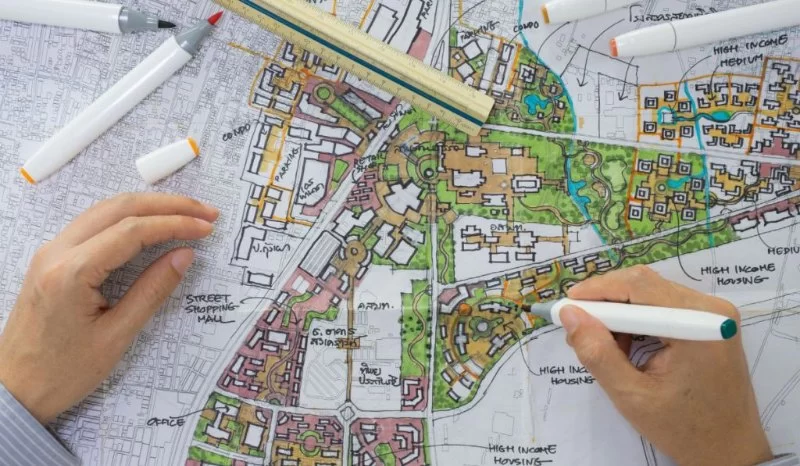
One of the primary tasks of urban planning is determining how land will be used. Will it be residential, commercial, industrial, or recreational? This is crucial because the way land is divided impacts every aspect of life in a city. For example, placing a park next to a residential area can enhance the quality of life for families, while zoning areas for businesses can create job opportunities. Urban planners spend a lot of time analyzing how to allocate space efficiently to ensure a balance between functionality and aesthetics.
2. Transportation Systems
Transportation is another major aspect of urban planning. I’ve observed how well-planned transportation networks can make a city more livable by reducing traffic congestion, improving access to public services, and promoting sustainable living. Effective public transit systems, bike lanes, and pedestrian paths all make a huge difference in how a city functions and how its residents get around. Without good transportation planning, even the most beautiful architecture can feel disconnected from the rest of the city.
3. Sustainability and Green Spaces
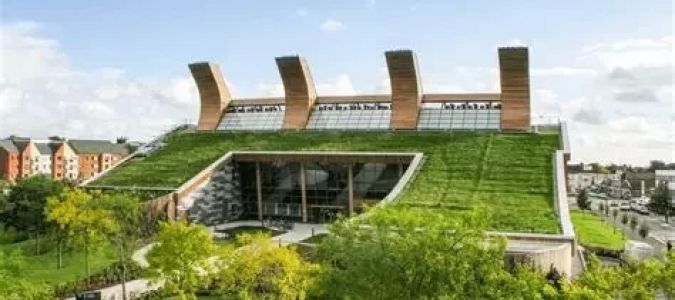
One of the most important aspects of urban planning today is sustainability. I’ve seen firsthand how planners work to create cities that are not only livable but also environmentally responsible. This includes incorporating green spaces, renewable energy, and eco-friendly building materials. Urban planners often integrate parks, green rooftops, and community gardens into cities to help mitigate pollution and provide spaces for relaxation. The integration of nature into urban areas can make a huge difference in improving air quality and overall well-being for residents.
The Role of Architecture in Urban Spaces
While urban planning sets the stage, architecture gives cities their unique character and personality. Architecture isn’t just about constructing buildings; it’s about designing spaces that are functional, beautiful, and capable of adapting to changing needs. I’ve learned that architecture plays a crucial role in creating environments that inspire people, encourage interaction, and foster community.
1. Aesthetic Appeal
Architecture is often the first thing people notice when they visit a city. Iconic buildings can define the identity of a place. Take, for example, the Eiffel Tower in Paris or the Burj Khalifa in Dubai. These structures not only serve functional purposes but also become symbols of the cities they reside in. On a smaller scale, the aesthetic design of a building, whether it’s a park bench or a towering skyscraper, contributes to the overall visual experience of a city. Great architecture enhances the beauty of the urban environment and helps shape how people feel about their surroundings.
2. Functionality and Design
Beyond beauty, architecture is about functionality. Buildings are designed to serve specific purposes, whether they are homes, offices, museums, or public spaces. I’ve seen how well-designed spaces can improve the flow of people, provide comfort, and even boost productivity. For example, modern office buildings incorporate open spaces and natural light to improve employee well-being, while schools and hospitals are designed to facilitate learning and healing. The goal of architecture is to make spaces that are not just visually appealing but also serve the people who use them in practical and efficient ways.
3. Adaptive Reuse of Buildings
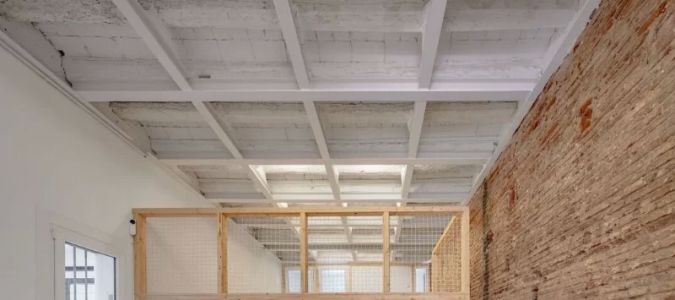
One trend in architecture that has caught my attention is the idea of adaptive reuse—taking old, historical buildings and repurposing them for modern use. This is a great way to preserve a city’s history while meeting contemporary needs. For example, in many cities, old warehouses are being converted into loft apartments, while former factories are turned into art galleries or retail spaces. This blending of old and new helps create a sense of continuity in urban development and promotes sustainability by reducing the need for new construction.
The Relationship Between Urban Planning and Architecture
Urban planning and architecture are intimately connected. One cannot function without the other. Urban planners often rely on architects to bring their vision to life, while architects depend on planners to ensure that their designs fit into the broader vision for the city. Over time, I’ve come to understand that the best cities are those where urban planning and architecture work hand in hand, ensuring that the built environment meets the needs of the community while maintaining a sustainable and aesthetically pleasing design.
1. Collaboration Between Planners and Architects
Collaboration between urban planners and architects is essential for creating cohesive, functional cities. I’ve seen how these professionals often work together from the earliest stages of a project, discussing everything from building design to traffic flow. Their joint effort ensures that a city not only looks good but also functions efficiently. For instance, when planning a new neighborhood, urban planners will work with architects to ensure that homes, businesses, and public spaces are well-connected and accessible.
2. Balancing Development and Preservation
Another challenge that planners and architects face is balancing new development with the preservation of historical landmarks. In many cities, the preservation of cultural heritage is just as important as modernizing infrastructure. I’ve experienced this first-hand in cities like New York, where architects and urban planners work together to protect the city’s iconic buildings while allowing for growth and innovation in other areas. It’s a delicate balance, but when done right, it results in a city that respects its history while embracing the future.
Where to Find Urban Planning and Architecture Solutions
If you’re looking to dive deeper into urban planning and architecture or need expert services, I recommend visiting 10 Jay Street, where you can find top-quality products and services related to both urban development and architectural solutions. Whether you’re seeking professional advice or looking for inspiration, 10 Jay Street has the resources you need to explore the world of urban planning and architecture.
Urban planning and architecture are not just about building cities—they are about creating spaces that foster communities, encourage growth, and enhance the quality of life. As I’ve learned, the integration of thoughtful design and planning is crucial to building cities that people are proud to call home. By understanding these principles, you can gain a greater appreciation for the cities we live in and perhaps even get involved in shaping the future of urban environments.