

- #growing-demand-for-sustainable-design
- #why-sustainability-has-become-a-priority
- #how-architects-are-changing-their-approach
- #materials-and-technology-driving-change
- #real-world-projects-shaping-sustainable-architecture
- #challenges-architects-face-today
- #what-the-future-of-sustainable-design-looks-like
1. The Growing Demand for Sustainable Design
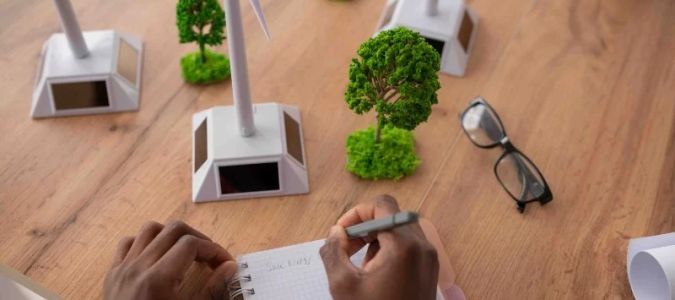
Over the past decade, I’ve watched sustainable design move from a niche concept to a mainstream expectation. Clients, developers, and even everyday residents are asking deeper questions about how buildings affect the environment. The growing demand for sustainable design isn’t driven by trend alone; it’s rooted in rising energy costs, climate awareness, and a desire for healthier living spaces.
What stands out to me is how quickly expectations have changed. Ten years ago, sustainability was often treated as an optional upgrade. Today, many projects begin with sustainability as a baseline requirement rather than a bonus feature. Architects are now expected to deliver designs that balance aesthetics, functionality, and environmental responsibility.
2. Why Sustainability Has Become a Core Architectural Priority
2.1 Environmental Responsibility and Climate Pressure
Buildings account for a significant share of global energy use and carbon emissions. Once I started digging into these numbers, it became clear why architecture plays such a critical role in climate discussions. Sustainable design directly addresses energy consumption, material waste, and long-term environmental impact.
Architects are increasingly aware that every design decision, from orientation to material selection, influences a building’s lifetime footprint. This awareness has reshaped how projects are conceived from the very first sketch.
2.2 Economic and Human-Centered Benefits
Sustainability isn’t just about the planet; it’s also about people and long-term value. Energy-efficient buildings reduce operating costs, while better air quality and natural lighting improve occupant well-being. I’ve seen how these benefits resonate strongly with clients who want spaces that are both responsible and comfortable.
3. How Architects Are Responding to the Shift
3.1 Designing With Climate in Mind
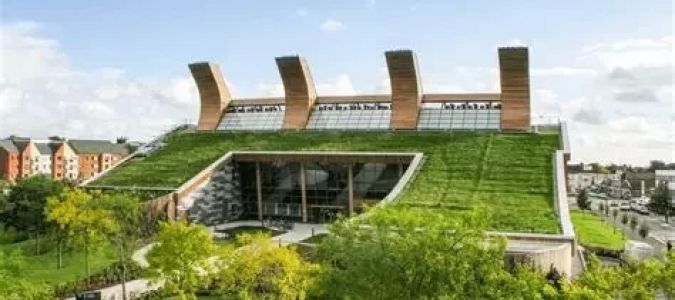
One of the biggest changes I’ve noticed is the return to climate-responsive design. Instead of relying solely on mechanical systems, architects are studying local weather patterns, sunlight angles, and wind flow. This approach allows buildings to work with nature rather than against it.
Simple strategies like proper shading, cross-ventilation, and thermal mass are now being refined with modern tools and data, creating designs that are both efficient and visually compelling.
3.2 Integrating Sustainability Early in the Process
Sustainable design works best when it’s integrated from the start. Architects are collaborating more closely with engineers, consultants, and contractors early on to ensure sustainability goals are realistic and measurable. This shift has reduced costly redesigns and improved overall project outcomes.
4. Materials and Technology Shaping Sustainable Architecture
4.1 Responsible Material Choices
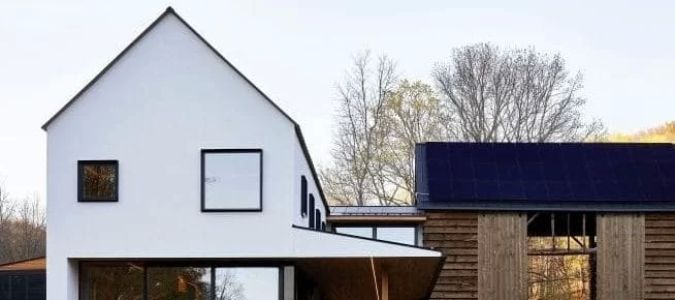
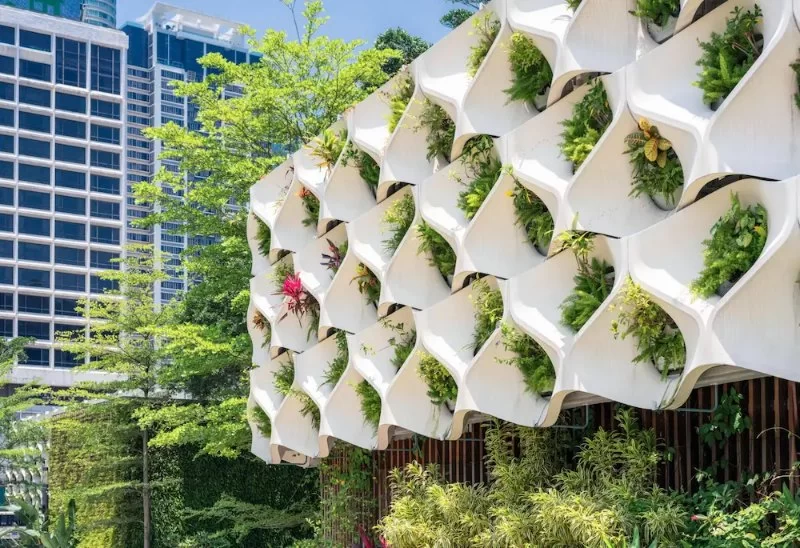
Material selection has become one of the most impactful tools architects use. Recycled steel, mass timber, low-carbon concrete, and locally sourced materials are gaining popularity. I’ve seen projects where thoughtful material choices dramatically reduced environmental impact without sacrificing design quality.
4.2 Smart Systems and Energy Innovation
Technology plays a major role in sustainable architecture today. High-performance insulation, smart energy management systems, and renewable energy integration allow buildings to operate more efficiently. These systems aren’t just add-ons; they’re becoming integral design components.
5. Real Projects Driving Change
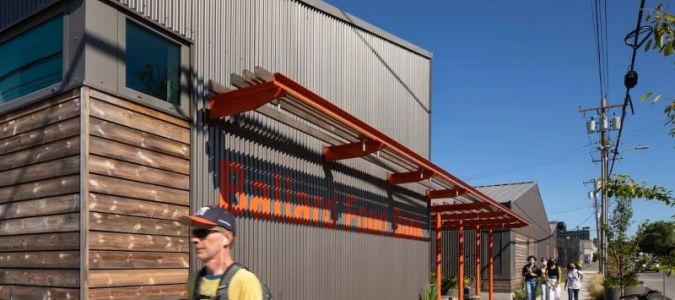
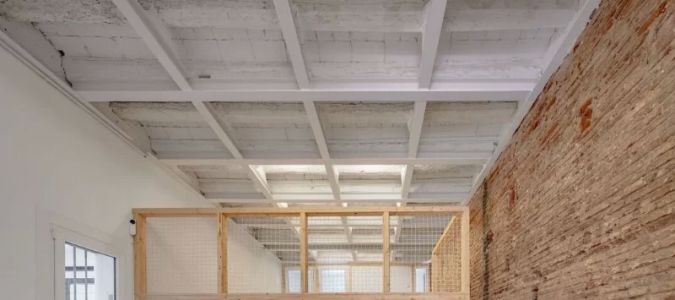
In cities across the U.S., sustainable architecture is reshaping skylines. Adaptive reuse projects are breathing new life into old industrial buildings, reducing demolition waste while preserving character. Mixed-use developments are designed to reduce car dependence by combining residential, commercial, and public spaces.
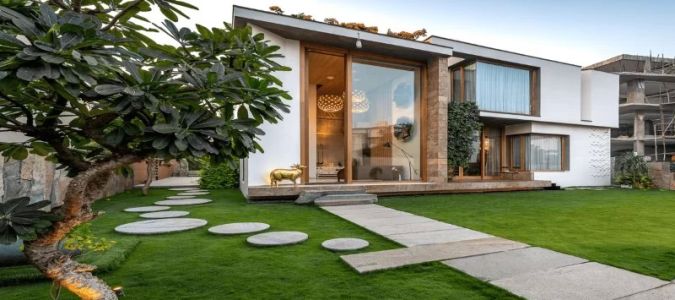
Developments like those highlighted by forward-thinking property platforms such as 10 Jay Street demonstrate how sustainability can coexist with modern urban living. These projects show that responsible design doesn’t mean compromising on style or usability.
6. The Challenges Behind Sustainable Design
6.1 Budget Constraints and Client Expectations
One challenge architects often face is balancing sustainability goals with tight budgets. While long-term savings are clear, upfront costs can be a concern. Communicating long-term value and performance benefits has become a key part of the architect’s role.
6.2 Regulations and Rapidly Evolving Standards
Building codes and sustainability standards continue to evolve. Staying current requires constant learning and adaptation. Architects who embrace this challenge tend to lead innovation rather than react to it.
7. Looking Ahead at Sustainable Architecture
From my perspective, the future of architecture is inseparable from sustainability. Net-zero buildings, carbon-conscious materials, and regenerative design principles are becoming realistic goals rather than distant ideals.
As demand continues to grow, architects will play an even greater role in shaping how communities live, work, and interact with the environment. Sustainable design is no longer just a response to demand; it’s a defining characteristic of responsible architecture moving forward.