

- 1-how-virtual-reality-entered-architectural-practice-#how-virtual-reality-entered-architectural-practice
- 2-why-virtual-reality-is-changing-the-way-buildings-are-designed-#why-virtual-reality-is-changing-the-way-buildings-are-designed
- 3-real-world-applications-of-virtual-reality-in-architecture-#real-world-applications-of-virtual-reality-in-architecture
- 4-how-virtual-reality-is-reshaping-client-experience-and-decision-making-#how-virtual-reality-is-reshaping-client-experience-and-decision-making
- 5-the-future-of-architecture-as-virtual-and-physical-worlds-merge-#the-future-of-architecture-as-virtual-and-physical-worlds-merge
How Virtual Reality Quietly Entered Architectural Practice
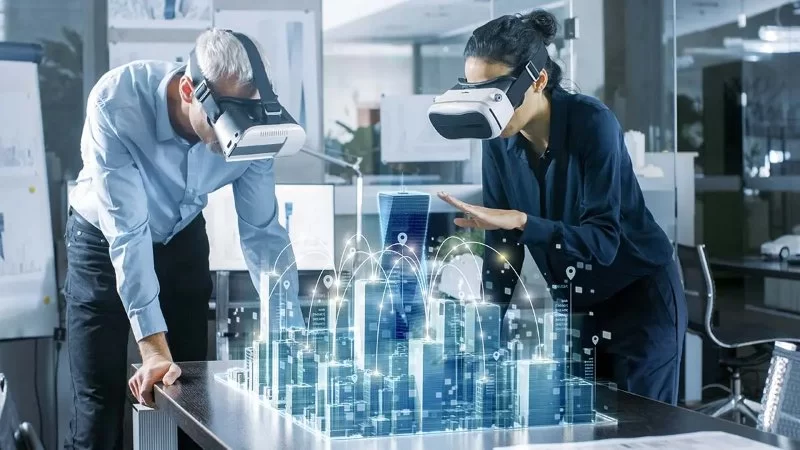
I remember the first time I put on a virtual reality headset and walked through a building that didn’t exist yet. It wasn’t a glossy marketing demo—it was a raw, unfinished space with floating walls, missing textures, and rough lighting. Yet something clicked immediately. For the first time, architecture wasn’t just something I looked at on a screen; it was something I experienced.
That moment captures how architecture is evolving with the rise of virtual reality. What began as a visualization tool borrowed from gaming has become a serious instrument for architects, developers, and clients. In the U.S. market especially, VR has moved beyond novelty and into everyday workflows, reshaping how ideas are tested, communicated, and refined long before construction begins.
Traditional blueprints and 3D renders still matter, but they rely heavily on interpretation. Virtual reality removes much of that guesswork by allowing people to inhabit space at full scale. This shift has quietly but fundamentally altered architectural practice.
Why Virtual Reality Is Changing the Way Buildings Are Designed
The most powerful thing VR brings to architecture is perspective. When you can stand inside a space, proportions feel different. Ceiling heights, corridor widths, and natural light become emotional experiences instead of abstract measurements.
1. Design Decisions Become Spatial, Not Theoretical
I’ve watched design teams argue for weeks over layout changes that were resolved in minutes once everyone stepped into the same virtual model. VR exposes issues early—tight circulation paths, awkward sightlines, or rooms that feel smaller than expected.
This changes how architecture is evolving with the rise of virtual reality at a practical level. Architects are designing with movement, comfort, and human behavior in mind from the beginning, rather than correcting problems later.
2. Fewer Costly Changes During Construction
In traditional workflows, many design flaws only become obvious after construction begins. By then, changes are expensive and stressful. Virtual reality allows teams to catch those issues when adjustments are still digital and inexpensive.
Developers I’ve spoken with often point out that VR doesn’t just improve design quality—it protects budgets and timelines.
3. Architects Can Test Bold Ideas More Safely
VR creates a low-risk environment for experimentation. Architects can explore unconventional forms, materials, and spatial relationships without committing physical resources. Some of the most innovative contemporary buildings started as virtual experiments that would have been hard to justify on paper alone.
Real-World Applications of Virtual Reality in Architecture
The conversation around how architecture is evolving with the rise of virtual reality often sounds futuristic, but many applications are already part of daily practice.
1. Pre-Construction Walkthroughs for Developers
Developers now regularly use VR to evaluate projects before breaking ground. Being able to walk through a residential building, office space, or mixed-use development helps stakeholders understand scale, flow, and usability in ways static images cannot.
2. Urban Planning and Contextual Analysis
Virtual reality also allows architects to place projects within their real-world surroundings. Viewing how a building interacts with neighboring structures, streets, and public spaces provides insights into shadow impact, visibility, and pedestrian experience.
In dense urban areas, this contextual understanding is critical. It helps teams design buildings that feel integrated rather than imposed.
3. Education and Internal Team Collaboration
Younger architects are now trained in VR environments, learning to think spatially earlier in their careers. Teams spread across different cities can also meet inside the same virtual model, discussing changes in real time without being physically present.
How Virtual Reality Is Reshaping Client Experience and Decision-Making
One of the most noticeable shifts I’ve seen is how clients engage with design. Many people struggle to read plans or imagine depth from renderings. VR levels the playing field.
1. Clients Feel Involved Instead of Overwhelmed
When clients walk through a virtual building, their feedback becomes more specific and confident. Instead of vague reactions, they comment on light, comfort, and movement. This leads to more productive conversations and fewer misunderstandings.
2. Trust Grows Through Transparency
Virtual reality builds trust because nothing is hidden. Clients can see exactly what is being proposed, including limitations. This honesty reduces the fear of surprises later in the project.
Forward-thinking developments such as those associated with 10 Jay Street often highlight immersive experiences to help clients and partners better understand design intent and spatial quality from the start.
3. Faster Approvals and Clearer Alignment
Decision-making accelerates when everyone sees the same thing. VR reduces back-and-forth revisions caused by misinterpretation, keeping projects moving efficiently.
The Future of Architecture as Virtual and Physical Worlds Merge
Looking ahead, how architecture is evolving with the rise of virtual reality goes beyond visualization. The boundary between design, simulation, and experience continues to blur.
1. From Virtual Models to Digital Twins
Architects are beginning to create digital twins—virtual replicas of real buildings that evolve over time. These models can be used to monitor performance, test renovations, and plan maintenance long after construction ends.
2. Sustainability and Performance Testing
VR environments increasingly integrate data on energy use, daylight performance, and occupant behavior. Designers can experience how sustainable strategies affect comfort, not just numbers on a report.
3. A More Human-Centered Design Process
Ultimately, virtual reality brings architecture closer to the people who use it. By designing from the inside out, architects focus less on abstract form and more on lived experience.
As this technology becomes more accessible, it’s clear that architecture is no longer just drawn—it’s experienced long before it’s built. For firms, developers, and clients exploring innovative approaches, environments connected to places like 10 Jay Street reflect how immersive thinking is shaping the next generation of built spaces.