

- 1. Understanding Green Architecture
- 2. Benefits of Green Architecture in Urban Areas
- 3. Key Elements of Green Architecture
- 4. Case Studies of Successful Green Architecture Projects
- 5. How Green Architecture Improves Quality of Life
- 6. The Future of Green Architecture in Urban Development
1. Understanding Green Architecture
Green architecture is a concept that’s gaining significant traction, especially in urban areas where the need for sustainability is becoming more urgent. As urbanization continues to grow, so do the challenges of pollution, waste management, and resource depletion. Green architecture, also known as sustainable architecture, refers to the design of buildings and environments that are environmentally responsible and resource-efficient throughout their life cycle, from siting to design, construction, operation, and eventual demolition.
Over the years, I’ve witnessed how the principles of green architecture have evolved to not only address environmental concerns but also improve the well-being of individuals living in urban environments. It's not just about using eco-friendly materials; it’s about creating spaces that improve air quality, reduce energy consumption, and provide a better living experience overall.
2. Benefits of Green Architecture in Urban Areas
As cities continue to expand, the impact of architecture on the environment and residents becomes more significant. Green architecture offers numerous benefits, particularly in urban settings. From enhancing environmental sustainability to improving health and well-being, green buildings play a vital role in shaping the future of urban life.
1. Environmental Sustainability
One of the most obvious benefits of green architecture is its positive impact on the environment. By using sustainable building materials, optimizing energy usage, and reducing waste, green buildings can significantly reduce a city's carbon footprint. I’ve seen how buildings that incorporate renewable energy sources, like solar panels and wind turbines, not only help conserve energy but also lower utility costs for residents. Sustainable water management techniques, such as rainwater harvesting and greywater reuse, can also reduce water consumption—an essential consideration in water-scarce regions.
2. Healthier Living Environments
Urban areas often suffer from poor air quality, which can have detrimental effects on residents’ health. Green architecture addresses this by promoting natural ventilation, using non-toxic materials, and incorporating green spaces such as rooftop gardens and public parks. These spaces act as natural air purifiers and provide residents with much-needed areas to relax and reconnect with nature. I’ve personally noticed how buildings with more natural light and better air circulation have made a significant difference in the mood and productivity of those living in them.
3. Reduced Energy Costs
Green buildings are designed to be energy-efficient, and over time, this translates into substantial savings for residents and business owners. Through the use of advanced insulation, energy-efficient windows, and smart technologies such as automated lighting and heating systems, these buildings reduce energy consumption. I’ve seen firsthand how this approach helps people lower their monthly utility bills, all while contributing to a cleaner, greener planet.
3. Key Elements of Green Architecture
While the exact design of green buildings can vary depending on location and function, there are several key elements that define green architecture. Over the years, I’ve found that these elements are what make the buildings not only sustainable but also livable and enjoyable:
1. Energy Efficiency
Energy-efficient buildings are the foundation of green architecture. This involves using renewable energy sources, improving insulation, and minimizing energy waste through smart design. Key features include high-performance windows, energy-efficient HVAC systems, and the use of energy-saving appliances. Many green buildings also incorporate solar panels and wind turbines to generate their own power.
2. Sustainable Materials
Another critical aspect of green architecture is the use of sustainable, eco-friendly materials. This means opting for materials that are renewable, recycled, or locally sourced, such as bamboo, reclaimed wood, and low-impact concrete. The goal is to minimize the carbon footprint of construction and reduce the environmental impact of building materials. I’ve come across some beautifully designed spaces that make use of reclaimed materials, creating a unique, eco-conscious aesthetic.
3. Water Efficiency
Water conservation is a key principle in green architecture, especially in urban areas where water resources are often limited. Efficient plumbing, rainwater harvesting systems, and low-flow fixtures can significantly reduce water usage. Many green buildings incorporate greywater systems to recycle water from sinks, showers, and washing machines for non-potable uses like irrigation and toilet flushing.
4. Green Spaces
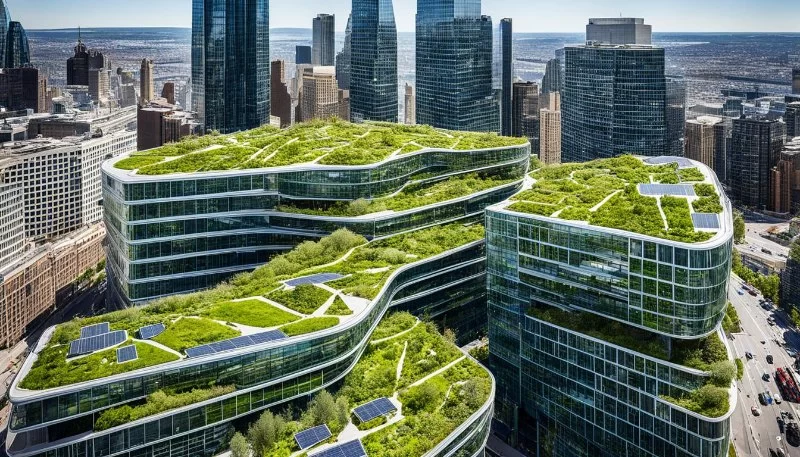
Incorporating green spaces, such as rooftop gardens, vertical gardens, and urban parks, is essential for creating a healthier urban environment. These spaces not only help combat urban heat islands but also provide residents with areas to relax and enjoy nature. I’ve seen how these green spaces improve both the aesthetic value and the psychological well-being of residents, offering a respite from the hustle and bustle of city life.
4. Case Studies of Successful Green Architecture Projects
Green architecture is not just a theoretical concept—it’s being put into action all over the world. Over the years, I’ve been inspired by several successful projects that showcase how sustainable design can be integrated into urban environments. Here are a few noteworthy examples:
1. The Edge in Amsterdam
The Edge is often considered one of the most sustainable office buildings in the world. Located in Amsterdam, this building uses smart technology to optimize energy use, including energy-efficient lighting, automated climate control, and solar panels. The building has also been designed to promote employee well-being, with natural light flooding the interior and green spaces that provide a calming atmosphere for workers.
2. Bosco Verticale in Milan
In Milan, the Bosco Verticale (Vertical Forest) is a pair of residential towers that incorporate vertical gardens, featuring over 9,000 trees, 5,000 plants, and 11,000 shrubs. This project not only improves air quality in the urban area but also provides residents with much-needed green space in a dense, urban environment. It’s a brilliant example of how green architecture can integrate nature into city living, benefiting both the environment and the people who call it home.
5. How Green Architecture Improves Quality of Life
Green architecture plays a vital role in improving the overall quality of life in urban areas. From reducing energy costs to enhancing health and well-being, sustainable buildings provide tangible benefits to residents. Personally, I’ve noticed that living in buildings with energy-efficient systems, access to green spaces, and better air quality has greatly improved my comfort and health. Here’s how green architecture contributes to a better urban lifestyle:
1. Enhances Well-Being
Access to natural light, green spaces, and clean air contributes to physical and mental health. I’ve found that spaces designed with these elements in mind promote relaxation and reduce stress. Whether it's a rooftop garden, a well-lit apartment, or an eco-friendly park, these spaces help people feel more connected to nature, which in turn improves their overall quality of life.
2. Promotes Community Engagement
Green architecture can foster a sense of community, especially when public spaces like parks, green rooftops, and community gardens are incorporated. These spaces become places where neighbors can meet, socialize, and engage with each other. I’ve observed how these shared spaces create stronger community ties and encourage more outdoor activity, benefiting both individuals and society as a whole.
3. Increases Property Value
Green buildings tend to have higher resale values due to their sustainable features, energy efficiency, and reduced environmental impact. As cities become more focused on sustainability, the demand for eco-friendly buildings is rising. From a financial perspective, investing in a green building can be a smart decision in the long term, as it can offer both cost savings and a higher return on investment.
6. The Future of Green Architecture in Urban Development
The future of green architecture is incredibly promising. As more cities focus on sustainable development, green architecture will play an increasingly important role in shaping urban spaces. With advancements in technology and a growing awareness of environmental issues, the possibilities for green design are endless. I believe that in the years to come, we’ll see more cities embracing green architecture, from energy-efficient buildings to urban parks, creating healthier and more sustainable environments for generations to come.
Incorporating green architecture into urban development is more than just a trend—it’s a necessity. With its potential to improve health, reduce environmental impact, and create more vibrant communities, green architecture is transforming the way we live in cities. As more people become aware of its benefits, I’m confident that this movement will continue to grow, helping cities become more sustainable and improving the quality of life for all residents.