

How to Build a Sustainable, Low-Maintenance Home
- 1-Why Sustainability Matters in Home Construction
- 2-Key Principles of Sustainable, Low-Maintenance Homes
- 3-Choosing the Right Materials for Longevity and Sustainability
- 4-Incorporating Energy Efficiency Into Your Home
- 5-How 10 Jay Street Can Help You Build Your Sustainable Home
As the world becomes increasingly aware of the need for environmental responsibility, building a sustainable, low-maintenance home has never been more important. Sustainable homes are not just an environmentally conscious choice—they’re practical, cost-effective, and can provide long-term benefits for homeowners. These homes are designed to reduce environmental impact, conserve resources, and use materials and techniques that require minimal upkeep, which translates into both economic and ecological advantages.
1-Key Principles of Sustainable, Low-Maintenance Homes
Building a sustainable home requires careful planning and attention to several key principles. The goal is to create a space that is both eco-friendly and easy to maintain. Here are the main principles to consider when designing or renovating your sustainable home:
- Energy Efficiency: A sustainable home must be energy-efficient to minimize utility costs and reduce its environmental impact. Insulating your home properly, installing energy-efficient windows, and choosing appliances with high Energy Star ratings can dramatically reduce energy consumption.
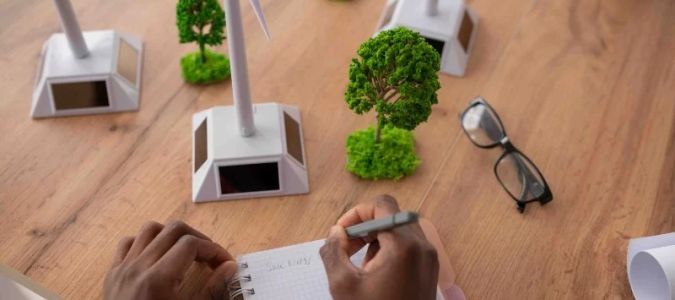
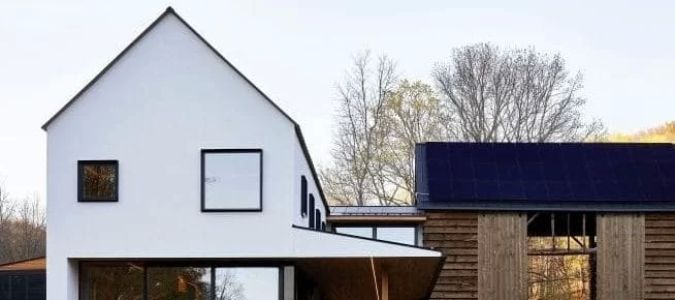
- Use of Renewable Energy: Incorporating renewable energy sources, such as solar panels or wind turbines, into your home can reduce reliance on non-renewable resources. Solar power, in particular, is a popular choice for homeowners looking to reduce energy bills while being environmentally responsible.
- Water Conservation: Sustainable homes should also focus on water conservation. Installing water-saving fixtures, rainwater harvesting systems, and drought-tolerant landscaping can help preserve water, which is an increasingly valuable resource.
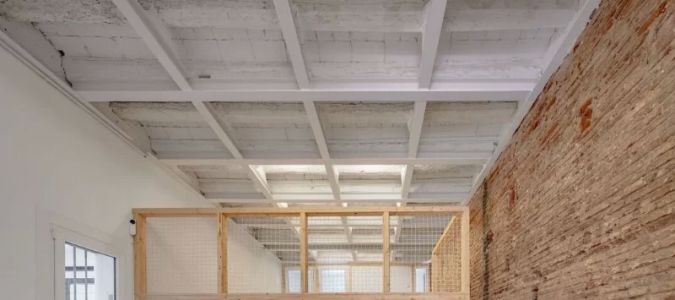
- Durable, Low-Maintenance Materials: One of the best ways to ensure a low-maintenance home is to choose durable, weather-resistant materials that require little upkeep over time. Materials such as metal roofing, composite decking, and stone or brick walls can withstand the elements and require minimal care.
2-Choosing the Right Materials for Longevity and Sustainability
One of the most critical aspects of building a sustainable home is selecting the right materials. The materials you choose not only affect the aesthetic appeal of your home but also its energy efficiency, environmental footprint, and long-term maintenance needs. Here are some popular materials that are ideal for creating a sustainable, low-maintenance home:
- Recycled or Reclaimed Materials: Using recycled or reclaimed materials, such as reclaimed wood or recycled steel, can significantly reduce the environmental impact of your home. These materials help minimize waste while adding character and uniqueness to your space.
- Insulation: Proper insulation is key to energy efficiency. Spray foam and cellulose insulation are both excellent options for keeping your home temperature-controlled without straining your HVAC system. Insulating your home properly helps reduce heating and cooling costs in the long run.
- Concrete and Stone: Concrete and stone are durable, low-maintenance materials that are also highly energy-efficient. Concrete floors, for example, naturally absorb and retain heat, reducing the need for artificial heating. Stone is long-lasting and requires very little care over time.
- Composite Materials: Composite materials, such as composite decking or siding, are made from a blend of natural and synthetic materials. They offer the benefits of wood but require far less maintenance, as they are resistant to moisture, rot, and insects.
3-Incorporating Energy Efficiency Into Your Home
Energy efficiency is a cornerstone of any sustainable home. By designing your home with energy efficiency in mind, you can drastically reduce your energy consumption and lower your carbon footprint. Here are some ways to incorporate energy efficiency into your home:
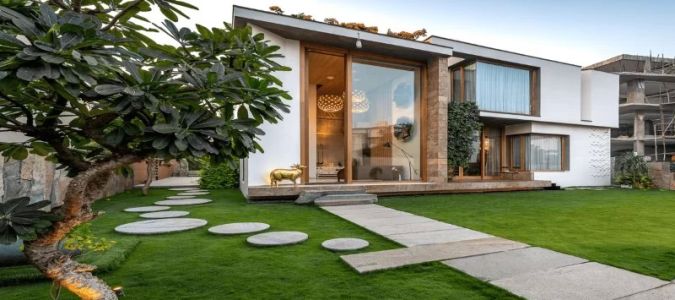
- Maximize Natural Light: One of the easiest ways to reduce energy use is by maximizing natural light. Large windows, skylights, and glass doors can help illuminate your home without the need for artificial lighting. Plus, natural light has a positive effect on your health and well-being.
- Smart Home Technology: Installing smart thermostats, lighting, and appliances can help manage energy use in a more efficient way. These technologies allow you to control your home’s energy consumption remotely, ensuring that you only use energy when necessary.
- Efficient HVAC Systems: Installing an energy-efficient heating, ventilation, and air conditioning (HVAC) system will help reduce your energy consumption while keeping your home comfortable. Look for systems that are rated for high performance and low energy use.
4-How 10 Jay Street Can Help You Build Your Sustainable Home
Building a sustainable, low-maintenance home requires expert guidance, and that’s where 10 Jay Street can help. Our platform connects you with trusted professionals who can assist in every step of the home-building process, from selecting the right materials to designing energy-efficient systems. We also offer a curated selection of eco-friendly products that are perfect for your sustainable home project.
Whether you're looking for tips on energy-efficient design, need recommendations for sustainable building materials, or are searching for professionals who specialize in green building, 10 Jay Street can be your trusted partner. Visit our website today to explore the resources, products, and services we offer to help you create a home that’s as sustainable as it is beautiful.