


How to Design a Building That Encourages a Healthy Work-Life Balance
designing for work-life balance, healthy office design, work-life balance in architecture, building design for wellness, creating a healthy workplace, work environment design, office design tips, promoting well-being in the workplace
Learn how to design a building that fosters a healthy work-life balance. Explore essential tips for creating office spaces that promote well-being, productivity, and relaxation, ultimately contributing to a better work environment for employees.
- The Importance of Work-Life Balance in Building Design
- Key Design Elements for Promoting Work-Life Balance
- The Role of Natural Light and Greenery in Workspace Design
- Real-Life Examples: Buildings That Support Work-Life Balance
- How to Incorporate These Concepts Into Your Building Design
The Importance of Work-Life Balance in Building Design
As a society, we've all become increasingly aware of the need to achieve a healthy work-life balance. But did you know that the design of the buildings where we work can have a huge impact on our ability to maintain this balance? As someone who has spent years working in different environments, I can personally attest to the transformative power of a well-designed workspace. Buildings that encourage work-life balance not only support employees' mental and physical health but also foster creativity and productivity.
When designing a space, whether it's an office building or a commercial complex, the goal should always be to create an environment that nurtures both work and relaxation. I’ve noticed that buildings that incorporate elements like natural light, green spaces, and flexible work zones help create a smoother transition between the workplace and personal life. This balance is key to a happy and productive workforce.
Key Design Elements for Promoting Work-Life Balance
To truly create a workspace that supports work-life balance, certain design elements need to be incorporated thoughtfully. These elements help create an environment where employees can focus on work but also unwind and recharge when needed. Here are some key elements that can make a big difference:
1. Flexible Workspaces
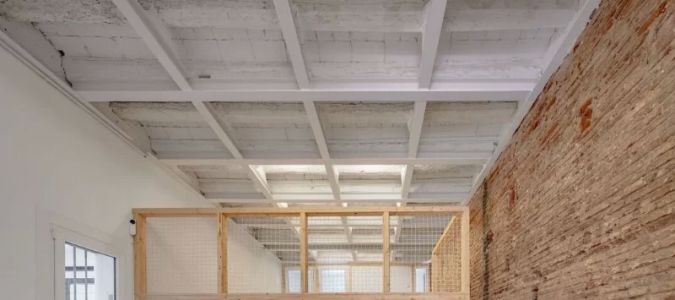
One of the most important features for supporting work-life balance is the creation of flexible workspaces. These spaces allow employees to choose how and where they work, which can increase satisfaction and productivity. Whether it’s quiet zones for focused work, collaborative areas for teamwork, or spaces for relaxation and breaks, providing variety in workspaces can help employees manage their time and energy throughout the day. I’ve found that having access to different types of spaces can help me switch between tasks with ease and ensure that I stay refreshed during long workdays.
2. Wellness Rooms
Many modern buildings now include wellness rooms, which provide a quiet retreat for employees to relax or meditate. These spaces are vital for helping workers de-stress during their day. The inclusion of wellness rooms in a building design signals to employees that their well-being is a priority. A personal story I remember from my own workplace was when the company introduced a small wellness room. It became a sanctuary for people to take a few minutes to breathe, meditate, or simply take a break. This simple change had a profound impact on the overall mood and productivity of the team.
3. Access to Outdoor Spaces
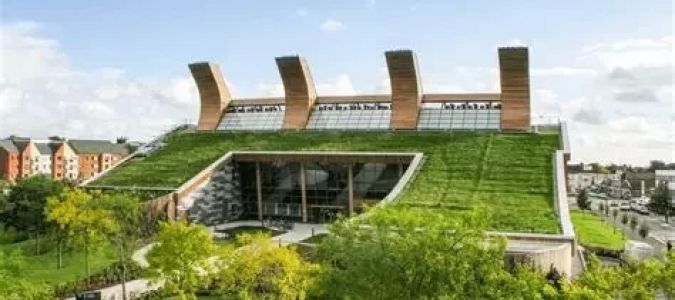
Incorporating outdoor spaces like patios, gardens, or rooftop terraces into the design of a building can be a game-changer. Fresh air, a change of scenery, and time spent in nature can significantly boost mental health and productivity. When I worked at a company that had an outdoor garden for employees, it became a place where people could disconnect and refresh their minds, leading to a more energized and motivated workforce. These outdoor areas also offer the opportunity for socializing, encouraging collaboration and team building in a relaxed setting.
The Role of Natural Light and Greenery in Workspace Design
Two of the most impactful elements in building design that contribute to work-life balance are natural light and greenery. These factors have been shown to improve mood, increase productivity, and enhance overall well-being. In my experience, buildings with plenty of natural light make a huge difference in how I feel during the workday. Natural light not only reduces eye strain but also helps regulate our circadian rhythms, making it easier to stay alert and focused.
Adding plants or green spaces to the interior of a building is another powerful way to foster a sense of well-being. Research shows that having plants in the office can reduce stress levels, improve air quality, and create a more welcoming environment. The feeling of being surrounded by nature, even within a built environment, can provide employees with a sense of calm and renewal. I’ve found that incorporating just a few plants or even placing them near workstations can transform the energy of a space.
Real-Life Examples: Buildings That Support Work-Life Balance
Several innovative buildings around the world have been designed specifically with work-life balance in mind. These buildings offer great examples of how thoughtful design can improve the quality of life for those who use them:
1. The Edge – Amsterdam
The Edge, located in Amsterdam, is considered one of the most sustainable and employee-friendly buildings in the world. It features flexible workspaces, plenty of natural light, and innovative technologies that allow workers to customize their environment. Employees have access to wellness rooms, rooftop gardens, and a variety of recreational spaces, all designed to improve mental and physical well-being.
2. Google’s Campus – Mountain View, California
Google’s headquarters in Mountain View is a prime example of how a building can encourage creativity, well-being, and work-life balance. The campus features outdoor spaces, wellness areas, and even on-site fitness centers. It’s designed to give employees the freedom to take breaks, collaborate in creative environments, and maintain a healthy work-life balance.
3. The Well – New York City
Located in the heart of New York City, The Well is a wellness-focused building that combines workspaces with health and wellness facilities. The building includes spaces for exercise, relaxation, and socializing, all designed to promote a holistic work-life balance. The Well aims to create an environment where employees can work productively while taking care of their physical and mental health.
How to Incorporate These Concepts Into Your Building Design
If you’re looking to design or renovate a building with work-life balance in mind, here are some practical tips:
- Consider your lighting: Ensure there’s a balance of natural light throughout the building. Incorporate large windows or skylights to bring in as much natural light as possible. If that’s not possible, invest in high-quality artificial lighting that mimics natural daylight.
- Prioritize flexibility: Create spaces that can be adapted to various needs. Have quiet zones, meeting areas, and communal spaces that allow for a variety of activities.
- Introduce green spaces: Whether it’s through potted plants, green walls, or an outdoor garden, bring nature inside. It’s an investment that pays off in terms of employee well-being and productivity.
- Provide relaxation zones: Make sure there are spaces where employees can disconnect and recharge. A lounge area, wellness room, or outdoor seating area can help employees feel more comfortable and valued.