

- how-to-design-architecture-that-supports-mental-and-physical-well-being#why-well-being-focused-architecture-matters
- how-to-design-architecture-that-supports-mental-and-physical-well-being#connection-between-space-and-human-health
- how-to-design-architecture-that-supports-mental-and-physical-well-being#design-principles-that-support-mental-health
- how-to-design-architecture-that-supports-mental-and-physical-well-being#design-elements-that-enhance-physical-well-being
- how-to-design-architecture-that-supports-mental-and-physical-well-being#real-world-projects-and-lessons-learned
- how-to-design-architecture-that-supports-mental-and-physical-well-being#applying-well-being-design-in-everyday-projects
Why Architecture Focused on Well-Being Matters More Than Ever
Understanding how to design architecture that supports mental and physical well-being has become essential in a world where people spend most of their lives indoors. Homes, offices, schools, and public spaces are no longer just shelters. They shape how we feel, how we move, and how we recover from daily stress.
In the United States, conversations around burnout, anxiety, and chronic health issues have pushed architects and developers to rethink traditional design priorities. Square footage and aesthetics still matter, but increasingly, the focus is shifting toward how a space actively supports human health rather than simply containing it.
The Deep Connection Between Built Spaces and Human Health
1. Psychological Responses to Space
People respond emotionally to their surroundings, often without realizing it. Low ceilings, poor lighting, and constant noise can increase stress levels, while open layouts, natural light, and visual order tend to promote calm and clarity. Architecture quietly communicates safety, control, or tension through form and proportion.
2. Physical Movement and Spatial Design
The way a building is laid out directly affects how much people move. Stair placement, corridor width, and access to outdoor areas can either encourage activity or reinforce sedentary behavior. When architecture makes movement intuitive, physical health improves naturally.
3. Sensory Balance
Spaces that overwhelm the senses can be just as harmful as those that deprive them. Balanced acoustics, thoughtful material choices, and controlled visual complexity help create environments where people can focus, relax, or socialize without fatigue.
Design Principles That Support Mental Well-Being
1. Access to Natural Light and Views
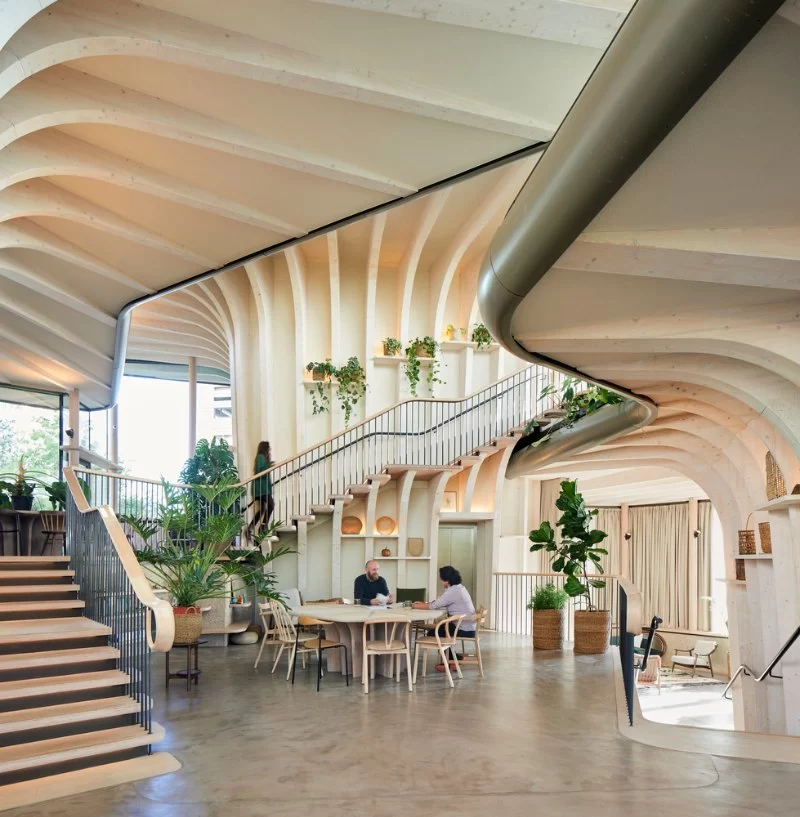
Natural light plays a major role in regulating mood and circadian rhythms. Buildings that maximize daylight exposure through window placement, light wells, and reflective surfaces tend to feel more uplifting and stable. Even brief visual connections to the outdoors can reduce mental fatigue.
2. Spatial Clarity and Predictability
Confusing layouts increase cognitive load. Clear circulation paths, visible landmarks, and intuitive wayfinding reduce anxiety, especially in workplaces, healthcare facilities, and residential complexes. When people understand a space easily, they feel more at ease within it.
3. Zones for Privacy and Retreat
Mental well-being requires moments of withdrawal as much as interaction. Thoughtful architecture provides quiet corners, semi-private areas, and acoustic separation so individuals can reset without leaving the environment entirely.
Architectural Elements That Enhance Physical Health
1. Encouraging Daily Movement
Well-being-focused buildings often prioritize stairs over elevators, integrate walking paths, or design layouts that naturally promote movement. These small design decisions accumulate into healthier daily routines without requiring conscious effort.
2. Indoor Air Quality and Materials
Physical well-being is closely tied to air quality and material choices. Ventilation strategies, low-toxicity finishes, and breathable building systems reduce headaches, allergies, and long-term health risks. Healthy buildings begin with what occupants breathe every day.
3. Ergonomic Spatial Proportions
Furniture placement, ceiling heights, and room proportions affect posture and comfort. Spaces designed around human scale help reduce physical strain, whether someone is working, resting, or moving through the building.
Real-World Examples That Highlight the Impact of Well-Being Design
One widely discussed workplace redesign involved transforming a closed-off office into a light-filled, flexible environment with shared social spaces and quiet zones. Employees reported lower stress and higher satisfaction within months, without any changes to workload or management.
Residential developments have also demonstrated how access to communal outdoor areas and natural materials can improve both mental resilience and physical activity. Projects like those showcased by 10 Jay Street illustrate how thoughtful architecture can balance urban density with human comfort.
Applying Well-Being Architecture to Everyday Design Decisions
1. Start with the Human Experience
Instead of designing from the outside in, begin with how people will feel and move through the space. Ask how the environment supports rest, focus, interaction, and recovery throughout the day.
2. Design for Long-Term Use, Not Trends
Well-being-focused architecture prioritizes durability, adaptability, and comfort over short-lived visual trends. Spaces that age well tend to support occupants more consistently over time.
3. Integrate Well-Being Without Overcomplication
Supporting mental and physical health does not require extreme measures. Often, it comes down to light, air, proportion, and thoughtful layout. Small decisions, when aligned, create meaningful impact.
Learning how to design architecture that supports mental and physical well-being is not about creating perfect buildings. It is about designing spaces that respect human limits, encourage healthier habits, and quietly improve daily life. As more developers and designers adopt this mindset, architecture becomes not just a backdrop, but an active participant in well-being.