

Designing Energy-Efficient Buildings That Don't Compromise on Style
As more people become aware of the environmental impact of construction, there has been a shift towards creating buildings that are not only functional but also energy-efficient. But does that mean you have to sacrifice style and design? Absolutely not! In fact, energy-efficient buildings can be stunningly beautiful while still reducing your environmental footprint. In this article, I'll share practical tips for designing stylish, sustainable buildings that don’t compromise on energy efficiency.
1. The Importance of Energy Efficiency in Building Design
Energy efficiency is critical for reducing the environmental impact of buildings, which are responsible for a significant portion of global energy consumption. According to the U.S. Green Building Council, buildings account for nearly 40% of global energy use and 30% of global greenhouse gas emissions. By designing energy-efficient buildings, architects and developers can reduce carbon footprints, lower energy costs, and contribute to sustainability efforts.
1.1 The Benefits of Energy-Efficient Buildings
When it comes to energy-efficient buildings, the benefits are far-reaching. Not only do these buildings help protect the environment, but they also offer financial savings through lower energy bills. Energy-efficient buildings tend to be more comfortable for the people who live or work in them, providing better air quality and a more consistent indoor climate. Moreover, as energy efficiency becomes more of a priority for homeowners and businesses, these buildings also offer a significant competitive advantage in the real estate market.
2. Key Principles of Energy-Efficient Design
So how do we design buildings that are both stylish and energy-efficient? It’s all about incorporating smart design principles that promote energy conservation without compromising aesthetics. Let’s take a closer look at some of the key principles of energy-efficient design:
2.1 Maximizing Natural Light
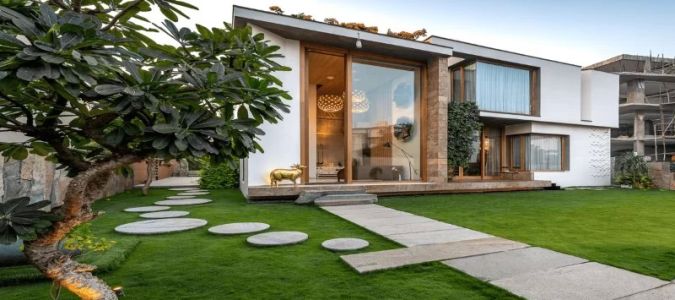
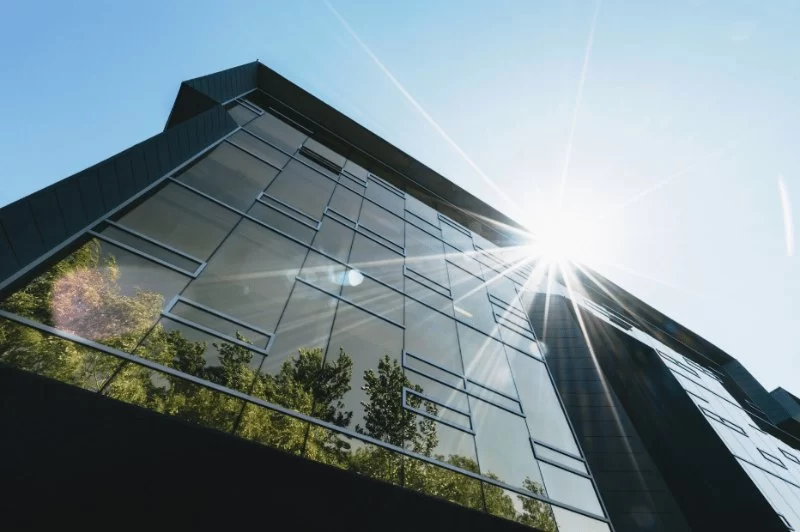
One of the most effective ways to reduce energy consumption in a building is to make the most of natural light. This not only reduces the need for artificial lighting but also enhances the overall atmosphere of the space. Large windows, strategically placed skylights, and glass doors can help bring natural light deep into the interior of the building. In addition to energy savings, these features create a welcoming, airy atmosphere that makes the space feel open and connected to the outdoors. Using natural light in design can be both functional and beautiful, creating a sense of warmth and spaciousness.
2.2 Using Sustainable Materials
When designing energy-efficient buildings, the choice of materials plays a crucial role in reducing environmental impact. Sustainable materials such as bamboo, recycled wood, and low-VOC (volatile organic compound) paints and finishes can greatly enhance the energy performance of a building while adding unique textures and visual appeal. These materials are not only environmentally friendly but also durable, which ensures that the building will stand the test of time. For example, recycled steel or reclaimed wood can add character to a building's design while minimizing waste.
2.3 Proper Insulation and Ventilation
Good insulation is key to maintaining a comfortable indoor environment and reducing energy use. Proper insulation keeps heat in during the winter and out during the summer, which reduces the need for heating and air conditioning. Additionally, energy-efficient buildings prioritize proper ventilation, which helps maintain air quality and moisture control. Using materials like spray foam or cellulose insulation, as well as energy-efficient windows and doors, can drastically reduce energy consumption while ensuring the building remains comfortable year-round.
2.4 Smart Technology and Energy Management Systems
Technology plays a vital role in making buildings more energy-efficient. From programmable thermostats to advanced energy management systems, there are many ways to automate energy conservation efforts. Smart lighting, for instance, can be programmed to turn off when a room is unoccupied. Similarly, energy-efficient appliances and HVAC systems can be integrated into the building’s design to automatically adjust based on usage patterns, reducing waste. The beauty of these technologies lies in how seamlessly they can be incorporated into the design, improving efficiency without being visible or intrusive.
3. How to Incorporate Style into Energy-Efficient Buildings
Energy-efficient buildings don’t have to look plain or utilitarian. In fact, there are countless ways to create stunning spaces that are as beautiful as they are sustainable. The key is to blend form with function, ensuring that design choices align with both aesthetic preferences and energy-saving goals.
3.1 Focus on Open, Flexible Spaces
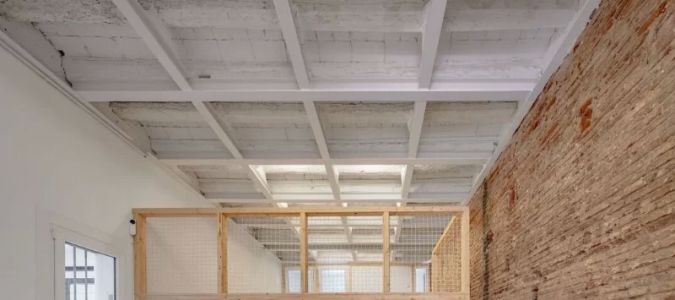
Modern energy-efficient designs often prioritize open, flexible floor plans that allow for better airflow and more natural light. Open spaces also provide the opportunity to incorporate design elements such as large windows, sliding glass doors, and exposed beams that contribute to the aesthetic appeal of the building while improving energy efficiency. These spaces also offer versatility, allowing homeowners or business owners to adapt the layout over time as their needs evolve. A spacious, flexible design ensures that both style and functionality are maintained.
3.2 Blending Traditional and Modern Elements
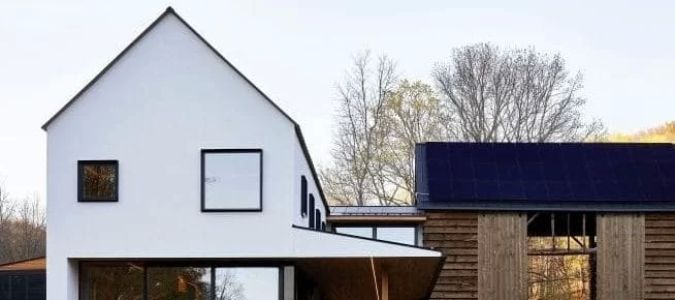
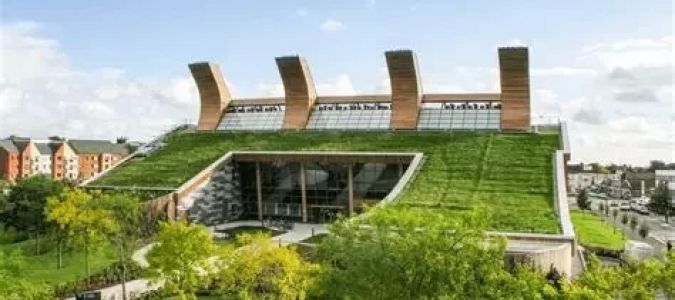
When it comes to style, energy-efficient buildings can incorporate both modern and traditional design elements. For example, energy-efficient features such as solar panels or green roofs can be paired with traditional brick facades or wooden accents. This blend of styles creates a timeless look that appeals to a wide range of tastes. Whether you prefer sleek, contemporary lines or the warmth and texture of traditional materials, there’s a way to marry these design aesthetics with energy-saving features that don’t compromise on beauty.
3.3 Using Color and Texture to Enhance Aesthetic Appeal
The use of color and texture is another way to create an energy-efficient space that feels stylish and sophisticated. Earthy tones, for example, evoke a sense of warmth and comfort, while lighter shades can make a space feel airy and open. Additionally, the strategic use of textures, such as textured wall treatments, natural stone countertops, and plush rugs, can bring a sense of richness and depth to the space while still maintaining energy-efficient features like insulated walls and windows.
4. Real-World Examples of Stylish, Energy-Efficient Buildings
There are numerous examples of stunning buildings around the world that successfully combine energy efficiency with cutting-edge design. For instance, the Edge in Amsterdam is a prime example of an energy-efficient office building that uses solar panels, smart lighting systems, and an advanced climate-control system. It’s not only a model of sustainability but also a striking architectural achievement.
Another example is the Bullitt Center in Seattle, known as the "greenest commercial building in the world." It incorporates sustainable materials, a green roof, and a rainwater collection system, all while offering a sleek and modern design that’s both functional and beautiful.
5. Conclusion
Designing energy-efficient buildings that don’t compromise on style is entirely possible with the right approach. By integrating sustainable materials, utilizing smart technology, and focusing on beautiful, flexible designs, we can create spaces that are both eco-friendly and aesthetically pleasing. Whether you’re designing a home, an office, or a commercial building, these principles can help you achieve a balance between functionality, sustainability, and style. For more tips and inspiration on energy-efficient designs, check out 10 Jay Street, where you can find the best resources and services for your next project.