

How to Design Sustainable Architecture for Extreme Weather Conditions
In recent years, the increasing frequency and intensity of extreme weather events have made it crucial for architects and designers to rethink how we build our homes, offices, and public spaces. Sustainable architecture is no longer just about energy efficiency and environmental impact—it’s also about resilience in the face of unpredictable weather patterns. As someone passionate about architecture, I’ve spent time researching and experimenting with how buildings can be designed to endure extreme weather, from intense heatwaves to severe storms. In this article, I’ll explore the key principles of designing sustainable architecture for extreme weather conditions and share some real-world examples that demonstrate these ideas in action.
The Importance of Sustainable Architecture for Extreme Weather
As climate change continues to affect global weather patterns, it’s essential to build structures that can withstand the challenges posed by extreme weather. Sustainable architecture for extreme weather not only focuses on reducing a building's environmental footprint but also on making it adaptable to the changing climate. Over the years, I've observed that integrating sustainability into building designs is an investment in the future. Buildings that are energy-efficient and weather-resistant tend to perform better in the long run, saving on maintenance costs and ensuring the safety and comfort of those inside.
1. Minimizing Vulnerability to Extreme Weather Events
The first step in designing buildings for extreme weather is to minimize their vulnerability. Extreme weather can range from hurricanes and tornadoes to floods and wildfires, each requiring a different design strategy. For example, in flood-prone areas, buildings need to be elevated and use waterproof materials to avoid damage. Similarly, in areas prone to hurricanes, reinforced structures and impact-resistant windows are essential to protect the building from wind and debris. I’ve seen how homes and structures that incorporate these strategies are better able to withstand extreme events, reducing the potential for significant damage.
2. Resilience in Design: A Critical Focus
Resilience is the core of sustainable architecture when considering extreme weather. It’s about designing buildings that can not only survive but also recover quickly after severe weather events. This includes ensuring that buildings have access to backup power, water systems that can function in emergencies, and construction materials that can handle extreme temperatures. In my experience, resilient buildings are often those that are designed with flexibility in mind, allowing them to adapt as environmental conditions change.
Key Elements of Sustainable Architecture for Extreme Weather
There are several design principles and strategies that architects can use to create buildings that are both sustainable and resilient to extreme weather conditions. I’ve compiled some of the most effective approaches I’ve encountered that are crucial when it comes to designing buildings that stand the test of time, no matter the weather.
1. Energy-Efficient Design
One of the foundational principles of sustainable architecture is energy efficiency. Designing buildings that use less energy for heating, cooling, and lighting not only reduces environmental impact but also makes them more resilient to extreme temperatures. In extreme heat or cold, energy-efficient buildings are more comfortable and less reliant on external power sources. Some key strategies include:
- Insulating walls, roofs, and floors to maintain a consistent indoor temperature.
- Using high-performance windows that limit heat loss and gain.
- Incorporating passive design elements such as natural ventilation and solar orientation.
Incorporating these elements can drastically reduce energy consumption, which is essential when considering how to design a building that can withstand extreme weather conditions.
2. Use of Sustainable Materials
The materials used in a building’s construction play a significant role in its ability to withstand extreme weather. Sustainable materials are those that not only have a lower environmental impact but are also durable and resilient in harsh conditions. For instance, when designing buildings for areas prone to wildfires, materials like concrete, steel, and fire-resistant glass can be used to reduce the risk of fire damage. Additionally, materials such as reclaimed wood and recycled steel not only contribute to a more sustainable design but also offer excellent durability.
3. Water Management and Flood Resistance
With more frequent flooding events caused by heavy rain and rising sea levels, water management is becoming increasingly important in sustainable architecture. Effective drainage systems, permeable surfaces, and the elevation of structures above flood levels are just a few strategies that can help buildings withstand floods. I've seen firsthand how buildings that integrate flood-resistant designs, such as raised foundations and water-resistant materials, can significantly reduce water damage in flood-prone areas. Additionally, rainwater harvesting systems are becoming popular in sustainable designs, helping to manage water flow and supply during extreme weather events.
4. Climate-Adaptation Strategies
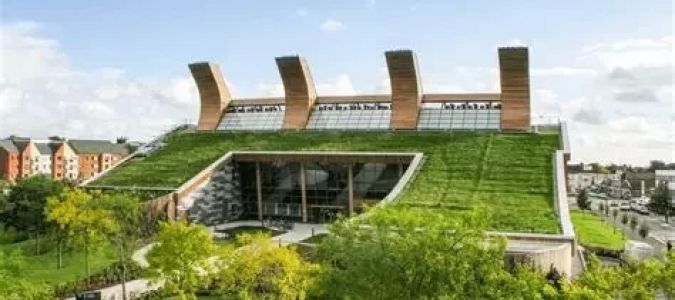
Adapting to the local climate is one of the most effective ways to ensure that buildings remain resilient during extreme weather. This can involve designing buildings with thicker walls in hot climates to keep interiors cool, or incorporating roofs that reflect sunlight to reduce heat absorption. In colder climates, adding extra insulation and triple-glazed windows can help retain heat and reduce energy consumption. I’ve also found that using green roofs and walls can not only reduce the building's carbon footprint but also provide natural cooling in hot climates.
Real-World Examples of Sustainable Architecture
Let’s take a look at a few real-world examples of buildings that have successfully implemented these strategies to withstand extreme weather conditions.
1. The Edge, Amsterdam
The Edge, located in Amsterdam, is a perfect example of a building designed with sustainability and extreme weather in mind. This office building uses smart technology to optimize energy use and has a highly insulated façade that helps regulate the temperature inside. In addition, its green roofs and rainwater harvesting systems are designed to manage stormwater and provide cooling in hot weather. The building’s design focuses on reducing energy consumption and adapting to the local climate, making it an excellent example of sustainable architecture in an urban environment.
2. The Bullitt Center, Seattle
Another great example is the Bullitt Center in Seattle, known as one of the greenest commercial buildings in the world. This building incorporates solar panels, a rainwater collection system, and a highly efficient heating and cooling system to adapt to Seattle’s climate. The Bullitt Center’s use of sustainable materials and energy-efficient design ensures that it remains resilient to extreme weather, even in a region prone to heavy rainfall and fluctuating temperatures.
Explore More Sustainable Architecture at 10 Jay Street
If you’re interested in exploring more about sustainable architecture and how it can help mitigate extreme weather conditions, I highly recommend checking out 10 Jay Street for information on innovative, climate-adaptive designs. Whether you're an architect, builder, or simply interested in sustainable living, 10 Jay Street offers the resources and products to support your goals.
Designing sustainable architecture for extreme weather conditions isn’t just about reducing environmental impact—it’s also about creating spaces that are resilient, adaptable, and comfortable for the future. By following the principles I’ve outlined here, architects and builders can help ensure that their designs stand the test of time, no matter what the climate throws their way.