

- 1. Why Incorporate Solar Panels into Your Building’s Design?
- 2. Benefits of Solar Panels in Building Design
- 3. Planning for Solar Panels: Key Considerations
- 4. Designing a Building for Solar Energy
- 5. Real-Life Examples of Solar Panel Integration
- 6. Explore Solar Products at 10 Jay Street
1. Why Incorporate Solar Panels into Your Building’s Design?
Incorporating solar panels into your building’s design is one of the most effective ways to harness renewable energy and make your home or business more sustainable. As concerns over climate change and rising energy costs grow, solar energy has become a reliable and environmentally friendly solution for reducing dependence on traditional power sources. Solar panels offer numerous benefits, from lowering energy bills to increasing property value. But the key to maximizing their effectiveness lies in thoughtful integration during the design phase of the building.
Whether you're designing a new home or renovating an existing building, considering how to integrate solar panels can make a significant difference in the long-term sustainability and energy efficiency of the structure. By planning early, you can ensure that the building is optimized for solar energy, making the most of the available sunlight and reducing your carbon footprint. This article will guide you through the process of incorporating solar panels into your building’s design and explain the considerations you should take into account.
2. Benefits of Solar Panels in Building Design
There are many advantages to incorporating solar panels into a building’s design, especially when it’s done thoughtfully. Here are some of the most significant benefits:
2.1 Reducing Energy Costs
The most obvious benefit of installing solar panels is the potential to lower your energy bills. By generating your own electricity from the sun, you can reduce or eliminate the need to purchase power from utility companies, resulting in significant savings over time. In fact, depending on your location and the size of your system, solar panels can offset a large portion (or even all) of your energy consumption.
2.2 Increasing Property Value
Buildings with solar panels are often seen as more attractive to buyers because they promise lower energy costs and a smaller environmental footprint. Studies have shown that homes and commercial buildings with solar installations tend to have higher property values compared to those without. Solar panels are an investment that pays off not only in energy savings but also in the resale value of the property.
2.3 Environmental Impact
Solar energy is a clean, renewable energy source, meaning it produces no emissions or air pollutants. By incorporating solar panels into your building design, you’re contributing to the reduction of greenhouse gases and combating climate change. This sustainable approach helps preserve natural resources and minimizes the environmental impact of your building.
2.4 Energy Independence
Relying on solar panels allows you to reduce your dependence on the electrical grid. During power outages or in areas with unreliable utility services, solar energy can provide a level of energy independence and security. Many buildings with solar installations also integrate battery storage systems, allowing for energy to be stored and used during times when the sun isn’t shining.
3. Planning for Solar Panels: Key Considerations
Before incorporating solar panels into your building’s design, there are several important factors to consider. These include the roof’s orientation, shading, and the building’s energy needs. By addressing these considerations early in the design process, you can ensure the most efficient and effective integration of solar panels. Let’s take a closer look:
3.1 Roof Orientation and Angle
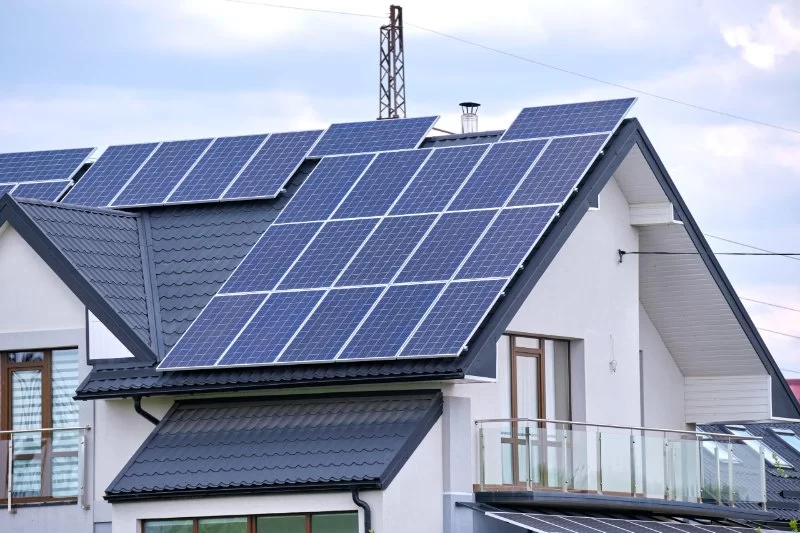
The orientation and angle of your roof play a significant role in the performance of solar panels. Ideally, solar panels should be installed on a south-facing roof in the Northern Hemisphere to maximize exposure to sunlight. The angle of the roof also affects how much sunlight the panels will receive. A roof with the right angle ensures that the panels capture the most sunlight throughout the day, optimizing energy production.
3.2 Shading and Obstructions
Shading from nearby trees, buildings, or other obstructions can reduce the effectiveness of solar panels. When planning your solar installation, it’s crucial to assess the potential for shading and consider trimming trees or selecting locations that receive direct sunlight for most of the day. Solar designers use tools like shading analysis software to identify the best locations for panel installation.
3.3 Roof Space and Load-Bearing Capacity
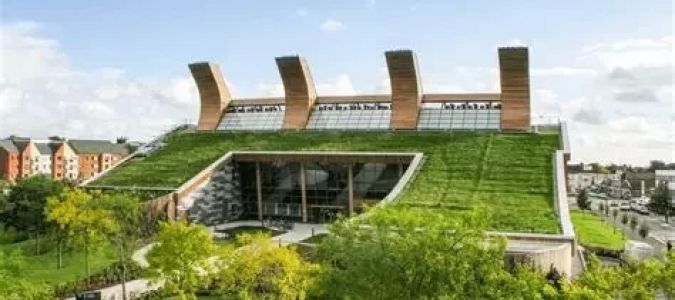
The size of your roof and its ability to support the weight of solar panels are important factors to consider. Solar panel systems can be heavy, so it’s essential to ensure that the roof structure can bear the load. In some cases, additional support may be needed, especially for older buildings. If roof space is limited, you may need to explore alternative options, such as using a ground-mounted system or combining solar panels with green roofs.
3.4 Energy Consumption and Needs
To design a solar system that meets your building’s energy needs, you must first assess your current energy consumption. The size of the solar panel system depends on how much electricity you use. A detailed energy audit will help you understand your building’s needs and how many solar panels will be necessary to offset your electricity consumption.
4. Designing a Building for Solar Energy
Incorporating solar panels into your building design goes beyond just adding panels to the roof. A solar-efficient building takes into account various design elements that contribute to energy efficiency. Here’s how to design a building that works in harmony with solar energy:
4.1 Passive Solar Design
Passive solar design is a strategy that uses natural elements—such as sunlight, wind, and thermal mass—to reduce the building’s need for mechanical heating and cooling. Proper window placement, the use of thermal mass (like concrete floors), and insulation can significantly reduce energy demand, making it easier to meet your energy needs with solar power.
4.2 Energy-Efficient Windows and Insulation
Energy-efficient windows and high-quality insulation are essential for reducing energy consumption in a building. By minimizing heat loss during the winter and heat gain during the summer, these features help keep the building comfortable and reduce the demand for heating and cooling. This means your solar panel system won’t have to work as hard to meet your energy needs.
4.3 Smart Technology and Automation
Smart home systems and automation can help optimize the energy use in a building, making it more compatible with solar energy. Programmable thermostats, energy management systems, and appliances that adjust based on solar energy availability can help you get the most out of your solar panels. These systems can also provide real-time data on energy consumption, helping you make informed decisions about energy use.
5. Real-Life Examples of Solar Panel Integration
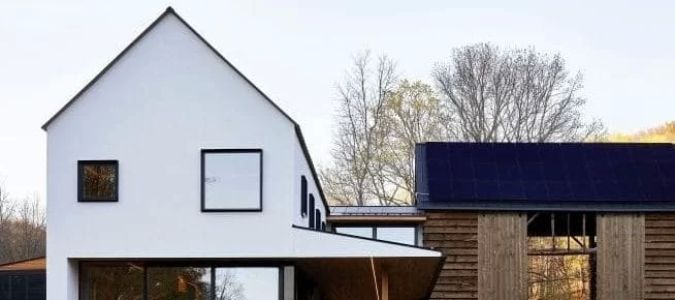
Many buildings around the world have successfully incorporated solar panels into their designs, setting examples of sustainable architecture. One famous example is the Bullitt Center in Seattle, known as the "greenest commercial building in the world." This building utilizes a solar panel system that generates enough electricity to meet all of its energy needs. Other examples include residential homes and office buildings that have integrated solar panels with green roofs, energy-efficient windows, and passive solar design strategies, showcasing the effectiveness of combining these features for energy-efficient living.
6. Explore Solar Products at 10 Jay Street
If you’re looking to integrate solar panels into your building’s design, 10 Jay Street offers a range of solar products and services to meet your needs. From solar panel systems to energy-efficient solutions, we provide everything you need to create a sustainable, energy-efficient building. Visit us to learn more about the best solar products for your building’s design.