

- Understanding Passive Solar Design
- Key Elements of Passive Solar Design
- How Passive Solar Design Saves Energy
- Benefits of Passive Solar Design
- Real-Life Example of Passive Solar Design
- Get Support for Passive Solar Design at 10 Jay Street
1. Understanding Passive Solar Design
In today’s world, where sustainability is more important than ever, making your home eco-friendly is a top priority for many homeowners. One of the most effective ways to reduce energy consumption and environmental impact is through passive solar design. I’ve been fascinated by how this approach not only helps save energy but also maximizes natural resources like sunlight. In simple terms, passive solar design is all about optimizing a building’s design and materials to capture and use solar energy for heating and cooling without relying on mechanical systems.
Passive solar design works by taking advantage of the sun’s natural energy, which is free and abundant. Instead of relying on electric heating or air conditioning, this method relies on smart architectural decisions, such as the placement of windows and insulation, to create a comfortable indoor climate year-round. For me, learning about passive solar design has been an eye-opener, especially when it comes to reducing energy bills and improving the overall comfort of a home.
2. Key Elements of Passive Solar Design
There are several key elements to consider when designing a home with passive solar principles. These elements work together to maximize solar energy and ensure a comfortable and energy-efficient living space. Below are the main components:
2.1. Orientation of the Home
One of the first things to consider in passive solar design is the orientation of your home. The main living spaces should be positioned to face south in the Northern Hemisphere (or north in the Southern Hemisphere). This allows for optimal sunlight exposure during the day, particularly in winter when the sun is lower in the sky. I remember when I first learned about this, I was amazed at how a simple orientation change could make such a difference in energy efficiency.
2.2. Windows and Glazing
The placement and design of windows are crucial in passive solar homes. Large south-facing windows (or north-facing in the Southern Hemisphere) allow sunlight to enter during the winter months, while overhangs or shades can prevent overheating in the summer. Double-glazed windows with a high R-value (insulating value) help keep the warmth inside during colder months, and block excessive heat during the summer.
2.3. Thermal Mass
Thermal mass refers to materials that can absorb and store heat, such as concrete, brick, or stone. These materials help regulate indoor temperatures by absorbing heat during the day and slowly releasing it at night. I’ve seen this in action in homes where floors or walls made of concrete or stone maintain a stable temperature throughout the day, reducing the need for additional heating or cooling.
2.4. Insulation and Air Tightness
Proper insulation and airtightness are essential for maintaining the temperature inside a passive solar home. Insulation in the walls, attic, and floors reduces heat loss in the winter and prevents unwanted heat gain in the summer. When combined with air-tight construction, this ensures that the energy from the sun stays inside, creating a comfortable indoor climate with minimal energy use.
3. How Passive Solar Design Saves Energy
Passive solar design helps save energy by reducing the need for traditional heating and cooling systems. When your home is properly designed to capture and store solar energy, you’ll rely less on expensive, energy-hungry systems like furnaces and air conditioners. I remember a neighbor telling me how their home, designed with passive solar principles, had a constant comfortable temperature throughout the year, despite extreme weather conditions outside.
During the winter months, sunlight entering through south-facing windows warms the interior. The thermal mass absorbs and stores this heat, which is then slowly released as temperatures drop. In the summer, strategic shading (such as awnings or trees) prevents the sun from overheating the interior, keeping the space cooler without needing air conditioning. This reduces both energy consumption and utility bills, making passive solar design an eco-friendly choice.
4. Benefits of Passive Solar Design
There are numerous benefits to incorporating passive solar design into your home. Not only does it make your home more sustainable, but it also improves comfort and reduces long-term costs. Here are some of the advantages I’ve noticed:
4.1. Reduced Energy Bills
By utilizing the sun’s natural energy, passive solar homes significantly reduce heating and cooling costs. I’ve seen many homeowners report up to 30% savings on energy bills, simply by incorporating proper orientation, insulation, and thermal mass into their homes.
4.2. Reduced Carbon Footprint
Passive solar design is a great way to minimize your home’s environmental impact. By relying on natural sunlight rather than fossil fuels, you contribute to reducing greenhouse gas emissions, making your home much more eco-friendly.
4.3. Improved Indoor Comfort
With passive solar design, you’ll enjoy a more consistent indoor temperature, free from the extremes of artificial heating and cooling. The balance of sunlight and thermal mass ensures that your home stays warm in winter and cool in summer, without the fluctuations common in homes relying on traditional HVAC systems.
5. Real-Life Example of Passive Solar Design
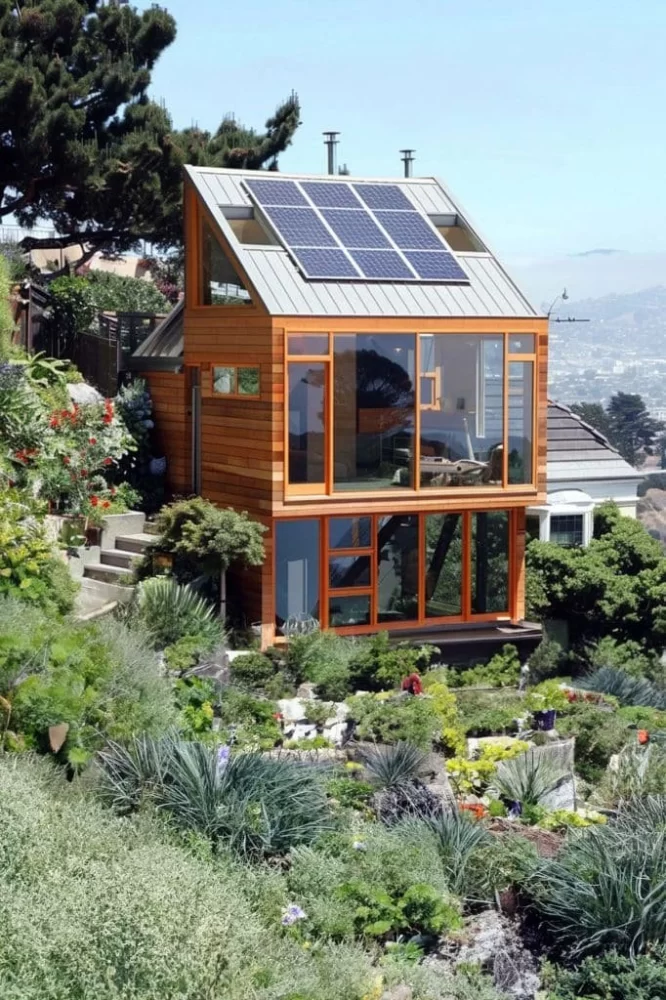
A great example of passive solar design in action is the Sunshine House in California. This home was designed with a combination of strategic window placement, thermal mass, and high-efficiency insulation. The results were remarkable. The homeowners reported that they had virtually no need for air conditioning in the summer, and their heating costs were drastically lower in the winter months. The house remained at a comfortable temperature year-round, with minimal external energy use.
This is just one of many success stories of how passive solar design can create comfortable, energy-efficient homes. With a little upfront investment, the long-term benefits far outweigh the costs.
6. Get Support for Passive Solar Design at 10 Jay Street
If you’re interested in creating a more sustainable home with passive solar design, look no further than 10 Jay Street. We offer expert advice, sustainable home products, and services tailored to help you incorporate passive solar features into your home. From window placement to insulation materials, we can guide you every step of the way.
Contact us today to get started on making your home more sustainable and energy-efficient through passive solar design.