

Introduction to Architecture and Public Spaces
Architecture is more than just about designing buildings; it’s about creating spaces where people can come together, interact, and engage with their surroundings. In every community, public spaces such as parks, plazas, and streets serve as the heart of local life. These areas are often overlooked in city planning, but they play a crucial role in the well-being of residents. In this article, I will share insights into how thoughtful architecture can enhance your community’s public spaces, making them more vibrant, functional, and inviting.
The Importance of Community Involvement
One of the first steps in transforming public spaces is understanding the needs and desires of the community. It’s essential to involve local residents in the design process, as they are the ones who will use the space most frequently. A well-designed public space should reflect the culture, values, and preferences of the people it serves. By incorporating community input, architects can ensure that public spaces foster a sense of belonging and pride.
For example, I recall a neighborhood park renovation project where local families suggested incorporating a large playground and a basketball court to accommodate children and teenagers. By considering their input, the park became more than just a place to walk—it became a hub of activity, bringing the community together.
Key Design Principles for Public Spaces
When it comes to designing public spaces, there are a few key principles that can greatly enhance the experience of those who use them:
- Accessibility: Public spaces should be accessible to everyone, regardless of their age, ability, or socioeconomic status. This means ensuring that pathways are wheelchair accessible, signage is clear, and there are spaces for both quiet reflection and active recreation.
- Safety: Safety is paramount in public spaces. Good lighting, visible sightlines, and clear pathways contribute to a sense of security, allowing people to feel comfortable using the space at any time of day.
- Flexibility: Public spaces should be adaptable to different activities. Whether it’s a space for a weekly farmers’ market, a concert, or a place for people to relax, flexible design features like movable seating or modular structures can make the space more dynamic.
These principles work together to ensure that public spaces are not just functional, but also welcoming and engaging. They provide opportunities for social interaction, cultural exchange, and even local economic growth, all of which contribute to a thriving community.
Case Study: The Revitalization of a Downtown Plaza
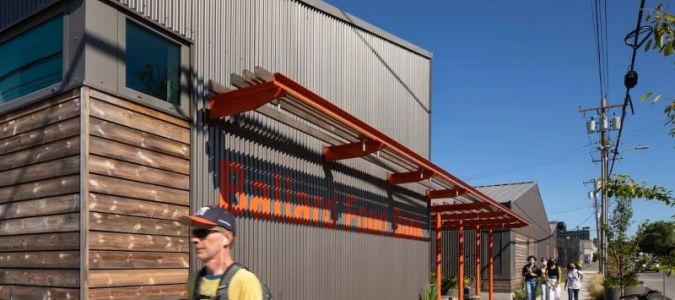
Let’s take a look at a real-life example of how architecture transformed a community’s public space. In downtown Portland, Oregon, the city redesigned a neglected plaza that had become a hotspot for undesirable activity. Through thoughtful architecture, the city introduced open seating areas, green spaces, and local art installations, which not only beautified the area but also encouraged people to spend more time there. The result? A significant reduction in crime and an increase in local business activity. The plaza became a beloved space for everyone, from tourists to residents, to enjoy.
Landscape Architecture and the Role of Nature
Landscape architecture plays a crucial role in enhancing public spaces. By incorporating nature into the design, whether through green walls, trees, water features, or natural paths, architects can create spaces that are both beautiful and restorative. Studies have shown that access to nature significantly reduces stress and improves mental health, making it an essential part of any public space design.
In my personal experience, I’ve seen how a simple addition of trees and plants can turn a bare, industrial-looking space into a peaceful haven. For instance, a small urban square I visited recently had a gorgeous mix of native plants and flowers, which not only provided shade but also attracted birds and butterflies. This interaction with nature gave the space a calming atmosphere, encouraging people to stay longer and engage more with others.
Technology’s Role in Modern Public Spaces
With the rise of smart cities, technology is becoming an integral part of how we design public spaces. From interactive digital kiosks to free Wi-Fi zones, technology can help create more connected and efficient public spaces. For example, some parks now feature apps that allow users to learn about the flora and fauna around them or track community events. This integration of technology enhances the experience of using these spaces, making them not just physical destinations, but digital hubs of activity and engagement.
Sustainable Design Practices
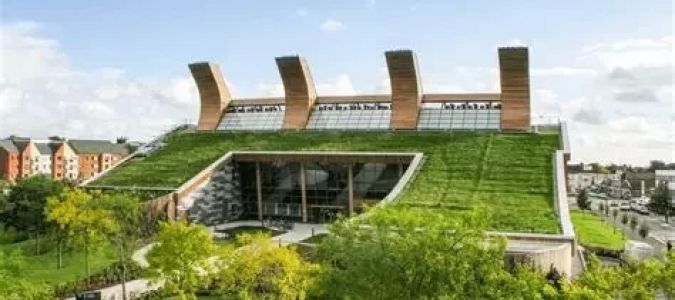
As our communities become more aware of environmental issues, sustainable design is becoming a key focus in public space architecture. Sustainable materials, green roofs, energy-efficient lighting, and water-saving features are all part of designing a space that respects the environment while providing a functional, attractive place for the community to gather.
Incorporating sustainability into design isn’t just about using eco-friendly materials; it’s also about ensuring that the space can stand the test of time. By designing spaces that are durable, adaptable, and resource-efficient, architects can create long-lasting community assets.
How Architecture Brings Communities Together
At its best, architecture is about more than just building structures; it’s about building relationships and fostering a sense of belonging. Public spaces are essential to this process, as they offer opportunities for social interaction, cultural expression, and even economic development. When designed thoughtfully, public spaces can become the heart of a community, where people of all backgrounds and ages come together to share experiences, celebrate diversity, and strengthen social bonds.
If you're interested in learning more about how architecture can transform your community’s public spaces, I encourage you to explore local initiatives, collaborate with urban planners, and advocate for design practices that prioritize inclusivity, sustainability, and community involvement.