

- #future-of-architecture-trends-to-watch
- #architectural-trends-next-decade
- #innovative-architecture-trends
- #future-of-building-design
- #architecture-sustainability-trends
- #technology-in-architecture
- #smart-buildings-and-architecture
The Future of Architecture: Trends to Watch in the Next Decade
Architecture is ever-evolving, shaped by technological advancements, societal changes, and environmental challenges. Over the years, we’ve witnessed how architecture moves from purely functional designs to more dynamic, user-centric spaces. With the world changing rapidly, the next decade will undoubtedly bring even more exciting and innovative architectural trends. As someone fascinated by the way buildings shape our lives, I can’t wait to see what’s coming next.
In this article, I’ll explore the major architectural trends expected to take center stage in the coming decade, from sustainability and green design to the integration of technology in buildings. The trends we’ll look at today will not only change how we design and use spaces but also influence the entire way we think about the environment and the communities we live in.
1. Sustainable and Green Architecture
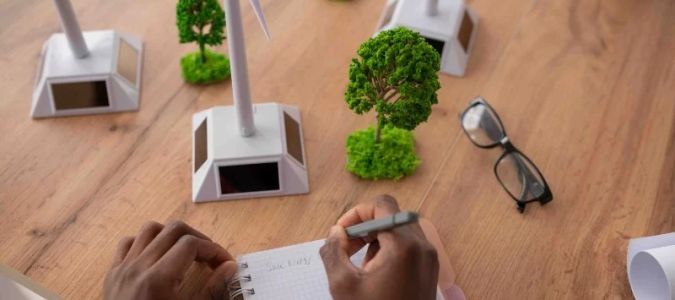
Sustainability has been a growing focus for several years, and it's clear that green architecture is here to stay. With climate change becoming an ever-pressing issue, sustainable design principles will play an even larger role in the way we build in the future. As a passionate advocate for the environment, I’ve noticed how architects are embracing eco-friendly materials and energy-efficient designs, and I expect this to become even more prevalent in the next decade.
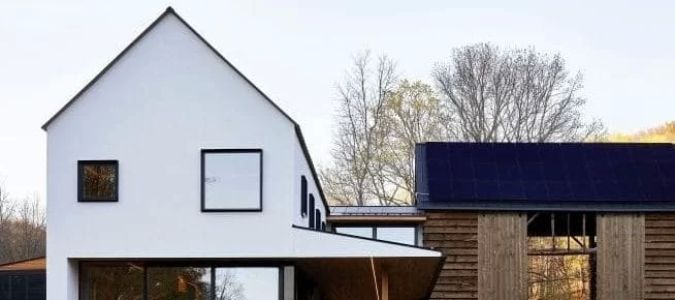
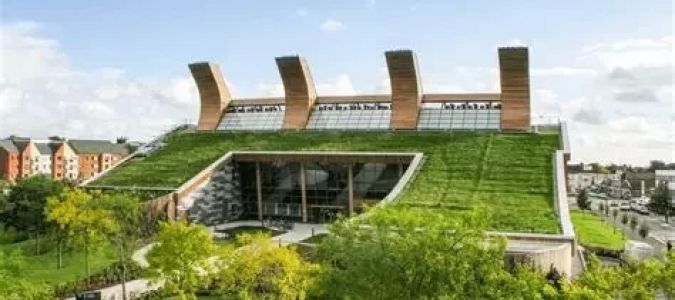
The move toward sustainability isn’t just about using renewable resources or designing energy-efficient buildings—it’s about creating spaces that minimize their environmental impact while benefiting the people who use them. In the coming years, we can expect to see buildings designed with passive heating and cooling systems, solar panels, and green roofs. These designs are not only environmentally friendly but can also reduce the long-term costs of running buildings.
Smart Cities and Eco-Friendly Infrastructure
We’re seeing the rise of "smart cities," where buildings are designed not only to be eco-friendly but also connected to technology that optimizes energy use. For example, smart homes are equipped with sensors that automatically adjust lighting and heating based on usage patterns, saving both energy and money. This trend will likely expand into entire urban areas, with infrastructure like roads, utilities, and public spaces integrated with technology to create more efficient, sustainable cities.
2. Integration of Technology in Architecture
Technology is undeniably transforming architecture. With innovations in 3D printing, AI, and augmented reality (AR), architects now have tools that were unimaginable just a decade ago. These technologies are not only reshaping how buildings are designed but also how they are constructed and experienced.
3D Printing in Construction
One of the most exciting developments in construction technology is 3D printing. Imagine a world where buildings could be printed layer by layer using sustainable materials. This is already happening in small-scale projects, but over the next decade, we’ll likely see larger, more intricate structures being built with 3D printing. This technique can reduce construction time, costs, and waste, making it a key component of future architectural trends.
Augmented Reality (AR) and Virtual Reality (VR)
Augmented and virtual reality are revolutionizing the way architects design and clients experience their spaces before they are even built. With AR and VR, architects can now create immersive, interactive 3D models of buildings, allowing clients to "walk through" the space and make real-time adjustments. This trend is set to expand, enabling even more precise and personalized designs.
3. Biophilic Design
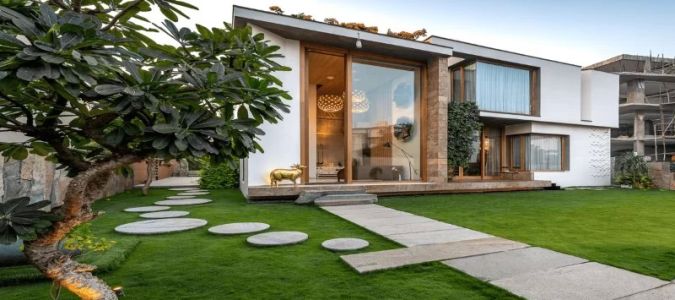
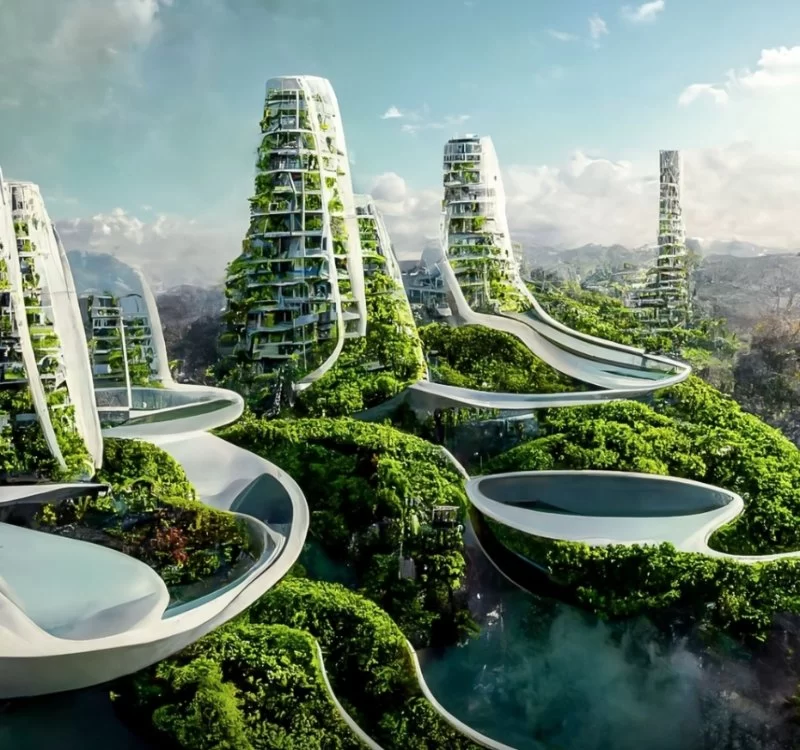
Biophilic design, which seeks to bring nature into urban spaces, is another architectural trend that will become more prominent over the next decade. By incorporating natural elements like plants, natural light, and water features into the design of buildings, biophilic design promotes well-being and productivity. This trend aligns with the growing desire for spaces that support mental and physical health—especially in the post-pandemic world, where many people are rethinking how and where they live and work.
I’ve seen firsthand how biophilic design can make a difference in a space. A friend of mine lives in a building with large windows, indoor plants, and green spaces throughout the complex. She always talks about how calming and energizing it feels to work in her apartment, and studies have shown that biophilic environments can boost creativity, reduce stress, and improve overall mood. This is a trend that will likely see widespread adoption, especially in offices and urban residential buildings.
4. Smart Buildings and the Rise of Automation
As technology continues to evolve, so too does the way we interact with our built environment. Smart buildings, equipped with sensors, automated systems, and artificial intelligence, are becoming more commonplace. These buildings can adjust lighting, temperature, and even security measures in real-time based on the behavior of the people inside.
One of the most exciting aspects of smart buildings is the potential for improved energy efficiency and sustainability. For instance, buildings can learn from the behaviors of their occupants and optimize systems to reduce waste. In the next decade, we’ll likely see even more buildings designed with AI-powered systems that can adapt to the needs of residents while conserving resources.
5. Circular Architecture and Reuse of Materials
Circular architecture focuses on reducing waste by reusing materials and designing buildings that can be easily deconstructed or repurposed. Rather than focusing on creating a "forever building," circular design considers how a building will be taken apart and reused at the end of its life cycle.
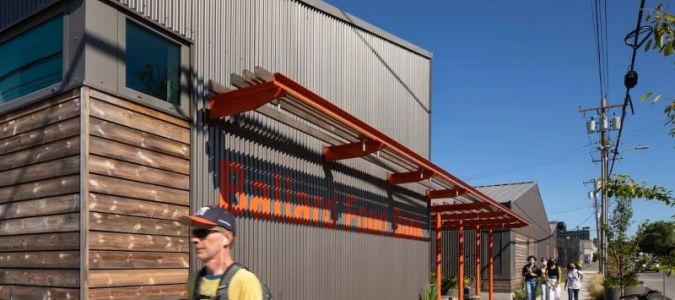
This approach is gaining momentum, as architects and builders realize the need to limit the environmental impact of construction. Reclaimed wood, recycled steel, and other materials are being used more frequently, and we’ll likely see this trend continue to grow as sustainability becomes a central focus in the architecture industry.
6. Modular and Prefabricated Buildings
Modular and prefabricated buildings are another innovation that will continue to rise in popularity over the next decade. These buildings are constructed off-site in factories and then assembled on location. The modular approach offers faster construction times, lower costs, and better-quality control. This can also lead to less environmental disruption during the building process, as less material waste and transportation are involved.
I’ve seen how modular homes can be both functional and aesthetically pleasing. They offer flexibility in design while reducing the impact of traditional construction methods. As demand for affordable housing and sustainable living options increases, modular and prefabricated buildings will play a key role in shaping the future of architecture.
Conclusion
The future of architecture promises to be both exciting and transformative. From sustainable and green buildings to the integration of cutting-edge technologies like AI and 3D printing, the next decade will bring innovations that will change how we design, build, and experience spaces. As these trends continue to evolve, architects and builders will focus on creating environments that are not only functional but also promote well-being, sustainability, and efficiency.
For anyone interested in exploring more about these architectural trends or finding innovative spaces to live or work, I highly recommend checking out 10 Jay Street. They offer unique and sustainable options that align with the trends we’re seeing in architecture today.