

The Growing Trend of Green Architecture and How It Benefits Cities
- 1-What is Green Architecture?
- 2-Benefits of Green Architecture for Cities
- 3-Key Elements of Green Building Design
- 4-Case Studies of Successful Green Architecture
- 5-The Future of Green Architecture in Cities
1-What is Green Architecture?
Green architecture, also known as sustainable or eco-friendly architecture, refers to the practice of designing and constructing buildings in ways that minimize environmental impact and create healthier living spaces. As urban populations continue to grow, the need for sustainable urban development has never been greater. Green architecture focuses on energy efficiency, reducing waste, and using renewable resources, with the goal of creating buildings that are environmentally responsible and resource-efficient throughout their lifecycle.
As a growing trend, green architecture involves various principles, from using energy-efficient systems and sustainable materials to improving indoor air quality. This movement is not only about protecting the environment but also improving the quality of life for urban residents by creating spaces that are both functional and environmentally friendly. It’s an exciting field that promises to change how we build and live in cities.
2-Benefits of Green Architecture for Cities
The benefits of green architecture are vast, and they extend beyond just environmental improvements. When properly implemented, green buildings can transform cities, making them more livable, sustainable, and resilient. Here are some of the key benefits that green architecture offers to urban areas:
2.1 Environmental Impact Reduction
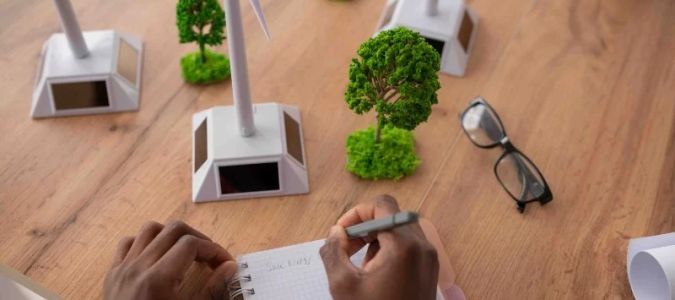
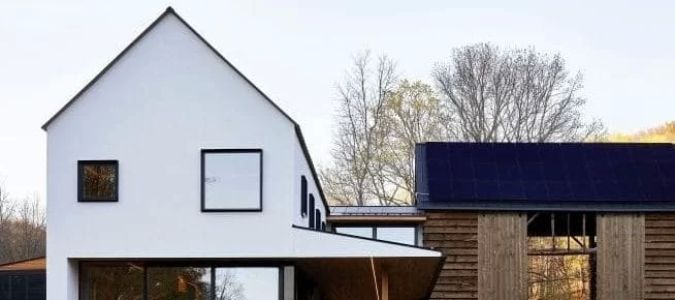
One of the most obvious benefits of green architecture is its positive impact on the environment. By reducing energy consumption, using renewable energy sources, and minimizing waste, green buildings help decrease the carbon footprint of cities. For example, many green buildings use solar panels, wind turbines, and geothermal energy to power their operations, reducing reliance on non-renewable resources and lowering greenhouse gas emissions.
2.2 Improved Public Health
Green architecture not only focuses on sustainability but also on improving the health and well-being of people living in urban environments. Green buildings often incorporate better air quality through advanced ventilation systems, non-toxic materials, and natural lighting. This results in healthier indoor environments, which can reduce health problems like asthma and respiratory issues. As someone who cares about both sustainability and quality of life, I can see how this focus on well-being can transform cities into places where people are happier and healthier.
2.3 Economic Benefits
While green buildings often come with a higher upfront cost, they provide significant long-term savings. Energy-efficient designs reduce utility costs, while the use of sustainable materials can lower maintenance and repair expenses. Green buildings also tend to have higher property values and attract tenants who are interested in eco-friendly living, which can increase demand for green properties in urban areas. Additionally, government incentives and tax breaks for green buildings make them a smart investment for developers and property owners.
2.4 Increased Urban Resilience
Green architecture contributes to the overall resilience of cities, particularly in the face of climate change. By incorporating features like green roofs, permeable pavements, and rainwater harvesting systems, green buildings help manage stormwater, reduce the urban heat island effect, and mitigate flooding. This is particularly important in cities that face increasing challenges due to extreme weather patterns. As cities become more resilient, they are better equipped to handle the impacts of climate change while providing a safer and more stable environment for their residents.
3-Key Elements of Green Building Design
Green architecture involves various design elements that contribute to sustainability and eco-friendliness. These include energy-efficient systems, sustainable materials, and innovative technologies. Some of the key elements I’ve encountered in green building design include:
3.1 Energy Efficiency
Energy-efficient systems are a cornerstone of green architecture. These include high-performance insulation, energy-efficient windows, and LED lighting, which help reduce energy consumption. Many green buildings also incorporate smart thermostats and energy management systems that optimize heating and cooling, further reducing the environmental footprint.
3.2 Sustainable Materials
Using sustainable materials is essential in green architecture. This includes materials that are renewable, recyclable, and have a low environmental impact during production and disposal. Bamboo, reclaimed wood, and recycled steel are examples of materials commonly used in green buildings. Not only do these materials help protect the environment, but they also contribute to the overall aesthetic of the building, often giving it a modern, natural look.
3.3 Water Conservation
Water conservation is another crucial aspect of green architecture. Green buildings often feature low-flow fixtures, rainwater harvesting systems, and water-efficient landscaping to reduce water consumption. These features are particularly important in cities facing water shortages or drought conditions, helping to ensure that urban areas can thrive even with limited water resources.
3.4 Green Roofs and Landscaping
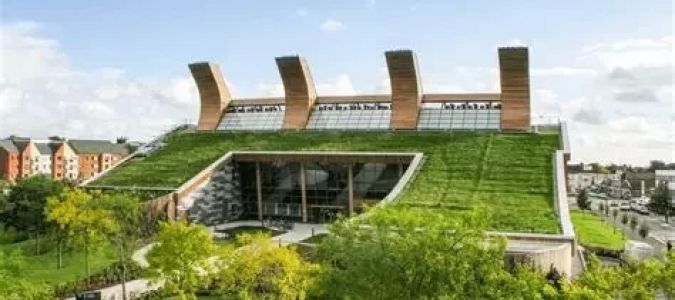
Green roofs and landscaping are both visually appealing and environmentally beneficial. Green roofs help reduce the urban heat island effect by providing insulation and cooling the surrounding area. Additionally, they absorb rainwater, which can reduce the risk of flooding. In urban environments, green spaces also improve mental well-being and contribute to biodiversity by providing habitats for plants and wildlife.
4-Case Studies of Successful Green Architecture
Looking at real-world examples can help us understand the tangible benefits of green architecture. Here are a few standout case studies of successful green buildings:
4.1 The Edge – Amsterdam
The Edge in Amsterdam is one of the most sustainable office buildings in the world. It features solar panels, a rainwater collection system, and a smart lighting system that adjusts based on occupancy and natural light. The building is designed to be energy-positive, meaning it generates more energy than it consumes. As a result, The Edge has received numerous awards for its innovative design and sustainability efforts.
4.2 Bosco Verticale – Milan
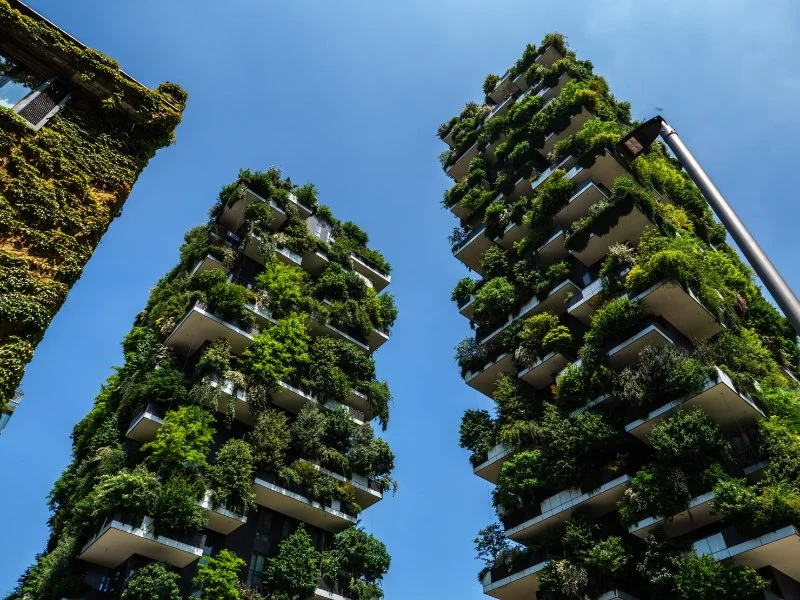
Bosco Verticale, or the Vertical Forest, in Milan is a stunning example of how green architecture can transform a city. This residential tower features over 9,000 trees and 13,000 plants, creating an urban forest in the heart of the city. The building helps combat air pollution and provides much-needed green space in a dense urban environment. It’s an inspiring example of how nature can be integrated into city living.
5-The Future of Green Architecture in Cities
The future of green architecture in cities looks promising, as more developers, architects, and urban planners recognize the importance of sustainable design. With growing concerns about climate change and urbanization, cities around the world are increasingly adopting green building standards, such as LEED (Leadership in Energy and Environmental Design) certification. The integration of smart technologies, renewable energy sources, and nature-inspired designs will continue to shape the future of urban development.
As someone who is passionate about sustainable living, I believe the future of cities will be built on green architecture. The combination of innovative design, environmental consciousness, and smart technology is the key to creating cities that are not only functional and livable but also sustainable and resilient.
If you're interested in learning more about sustainable architecture or looking for green building solutions, I highly recommend checking out 10 Jay Street, where you can explore eco-friendly products and services that support green building initiatives.