


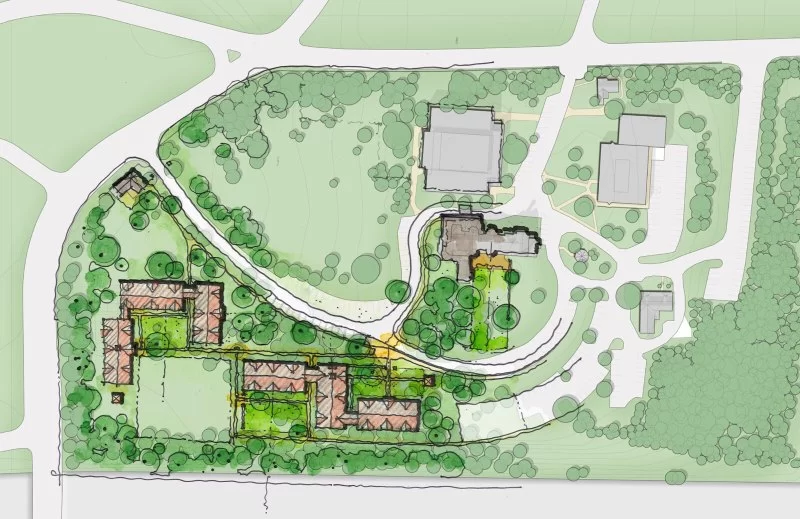
- 1 - Understanding Site Analysis in Architecture
- 2 - Why Site Analysis is Critical for Successful Designs
- 3 - Key Factors in Site Analysis for Architecture Projects
- 4 - Real-World Case Study: How Site Analysis Shaped a Successful Project
- 5 - How 10 Jay Street Can Assist Architects with Site Analysis
1 - Understanding Site Analysis in Architecture
As an architect, one of the most important steps in any design process is conducting a thorough site analysis. But what exactly does this mean? A site analysis involves studying the physical, environmental, and cultural characteristics of a location before starting a project. It helps architects understand how a site will influence the design, functionality, and sustainability of a building.
Site analysis includes factors like topography, climate, soil conditions, infrastructure, and even the local community’s needs. By evaluating these aspects, architects can make informed decisions about how to integrate the structure into its surroundings, ensuring it’s not only aesthetically pleasing but also functional and sustainable.
2 - Why Site Analysis is Critical for Successful Designs
Over my years of experience, I’ve come to realize that site analysis is more than just a preliminary task—it’s an essential foundation for the entire project. Without a proper site analysis, architects risk making design decisions that don’t align with the site's potential or limitations, which can lead to costly mistakes, delays, and functionality issues down the line.
For example, a building designed for a location with extreme weather conditions may fail to withstand those conditions without proper consideration. Similarly, not accounting for local zoning laws or environmental regulations can result in legal issues and costly revisions to the design.
On the flip side, an in-depth site analysis allows architects to capitalize on the site’s strengths. Whether it’s a stunning view, natural wind patterns, or the surrounding landscape, understanding the site’s attributes enables architects to create designs that complement and enhance the natural environment, rather than working against it.
3 - Key Factors in Site Analysis for Architecture Projects
When conducting a site analysis, several factors need to be considered to ensure a thorough understanding of the land. Here are the key aspects I always evaluate when beginning a new architecture project:
- Topography: The shape and slope of the land affect drainage, views, and the feasibility of construction. A hilly site might require additional groundwork or foundation work to level the area for building.
- Climate: Local climate conditions—such as temperature, rainfall, and wind—can heavily influence the building’s design. For example, a structure in a sunny, hot area might benefit from strategic shading, while a cold environment might require more insulation.
- Soil Quality: Soil conditions determine how well a structure will sit on the land. Poor soil might require special foundations, while solid soil can support heavier constructions without much modification.
- Access to Utilities: Access to water, electricity, and waste management systems is crucial for the development of the site. Without these services, the project may face significant setbacks or higher costs.
- Cultural and Environmental Considerations: Understanding the surrounding community and its cultural context can guide the design to fit better with the local aesthetic and values. Additionally, environmental considerations such as local wildlife, ecosystems, and preservation areas must be factored in.
Each of these factors plays a pivotal role in shaping the design, ensuring that the building is not only beautiful but also sustainable, functional, and harmonious with its environment.
4 - Real-World Case Study: How Site Analysis Shaped a Successful Project
One of my favorite projects that truly highlights the importance of site analysis was the design of a community center in a coastal area. When we began, we knew the site was located in a high-wind zone, with the potential for storm surges during certain times of the year.
By conducting a thorough site analysis, we identified the areas most vulnerable to flooding and wind damage, which led to key design decisions, such as elevating the structure above potential flood levels and designing wind-resistant features. Additionally, we used local materials that blended well with the coastal environment, which helped the building stand out as an integrated part of the community.
This project is a perfect example of how site analysis can guide not just practical design but also the aesthetic and cultural aspects of a building, ensuring its longevity and functionality in its environment.
5 - How 10 Jay Street Can Assist Architects with Site Analysis
For architects looking for a reliable partner in site analysis, 10 Jay Street offers a wealth of resources and services that can enhance the early stages of design. From providing detailed surveys of potential sites to offering expert consultation on environmental factors, 10 Jay Street’s team is equipped with the expertise to help architects make informed, data-driven decisions.
By working with 10 Jay Street, architects can gain access to cutting-edge tools and technology that streamline the site analysis process, ensuring that no critical element is overlooked. Whether you’re designing a commercial space or a residential home, their comprehensive approach to site analysis will provide the foundation you need to create a successful project.
When it comes to site analysis, starting with a solid understanding of the site’s conditions can make all the difference. Partnering with a trusted resource like 10 Jay Street ensures that every aspect of your site is carefully evaluated, leading to designs that are not only aesthetically pleasing but also sustainable and practical.