

How Architects Shape Sustainable Office Spaces
1. Introduction to Sustainable Office Design
As more companies aim to reduce their environmental impact, the role of architects in designing sustainable office spaces has become crucial. Sustainable office design isn’t just about using eco-friendly materials; it’s about creating work environments that promote energy efficiency, reduce waste, and enhance employee well-being. In this article, we’ll explore the key aspects of sustainable office design and how architects are leading the charge in transforming workplaces into green, eco-conscious spaces.
2. Key Principles of Sustainable Office Design
Sustainable office design encompasses a variety of principles that aim to reduce the environmental footprint of a workplace. These principles not only help conserve resources but also contribute to creating healthier, more efficient environments for employees. Here are the key elements architects consider when designing sustainable office spaces:
2.1. Energy Efficiency
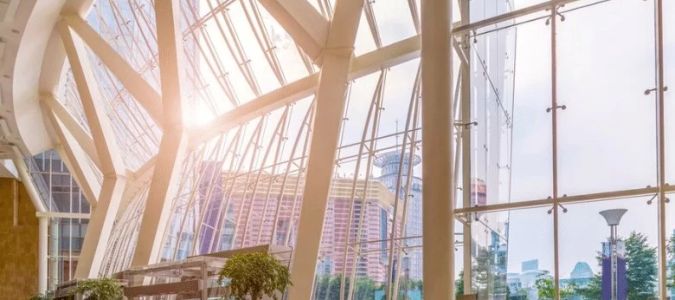
Energy efficiency is at the heart of sustainable office design. Architects use energy-efficient technologies such as LED lighting, motion sensors, and high-performance windows to reduce energy consumption. Incorporating natural lighting through large windows and skylights is another strategy that minimizes the need for artificial lighting during daylight hours. Furthermore, the integration of solar panels or other renewable energy sources can greatly reduce the office’s reliance on nonrenewable power sources.
2.2. Eco-friendly Materials
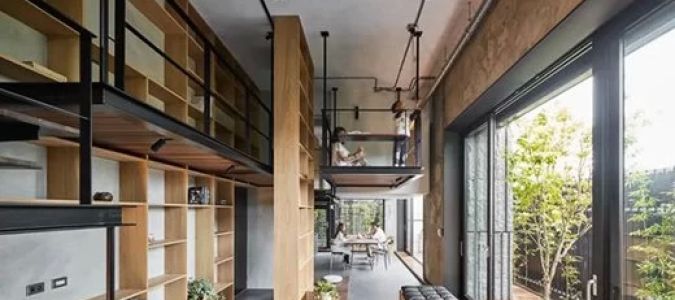
One of the most visible aspects of sustainable design is the use of eco-friendly materials. Architects often opt for materials that are recycled, locally sourced, or made from renewable resources. Bamboo flooring, reclaimed wood, and low-VOC (volatile organic compound) paints are just a few examples of materials commonly used in sustainable office spaces. These materials not only help reduce waste but also contribute to a healthier indoor air quality for employees.
2.3. Water Conservation
Water conservation is another important factor in sustainable office design. Architects incorporate water-saving technologies such as low-flow toilets, efficient plumbing systems, and rainwater harvesting systems. These systems reduce the office's water consumption, contributing to both environmental sustainability and cost savings over time.
2.4. Indoor Environmental Quality (IEQ)
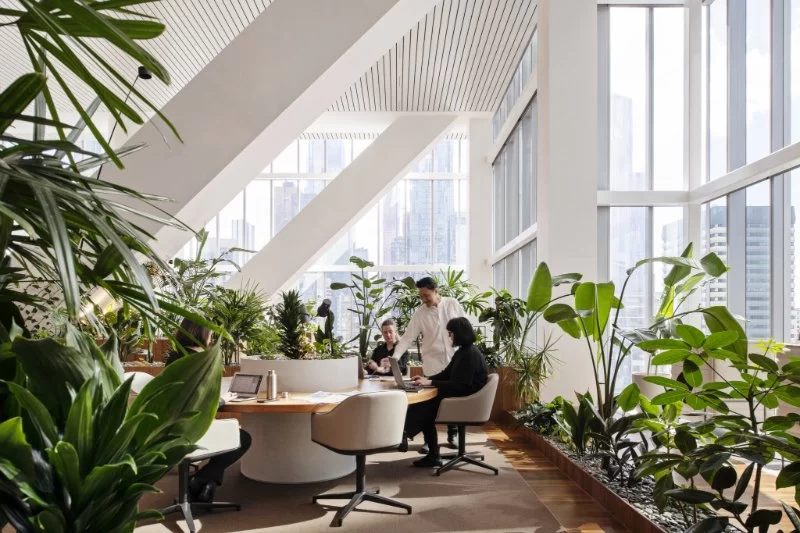
The quality of the indoor environment plays a significant role in employee health and productivity. Sustainable office designs prioritize good air quality, acoustics, and lighting to ensure that employees are comfortable and healthy. Features like green walls, air-purifying plants, and well-ventilated spaces help create a clean, pleasant work environment.
3. Benefits of Sustainable Office Spaces
The benefits of sustainable office design extend beyond environmental impact. Companies that invest in green buildings often see significant returns in the form of reduced operating costs, increased employee satisfaction, and enhanced brand reputation. Below are some of the top benefits of designing a sustainable office:
3.1. Cost Savings
Though sustainable office design often requires a larger initial investment, the long-term savings can be substantial. Energy-efficient systems reduce electricity and heating costs, while water-saving technologies help reduce utility bills. Over time, the operational savings from these eco-friendly features can more than offset the initial cost.
3.2. Employee Well-being and Productivity
Workplace sustainability goes beyond environmental concerns—it also plays a significant role in employee well-being. Studies have shown that employees working in green, well-designed environments experience less stress and are more productive. Factors like natural light, good air quality, and access to outdoor spaces can improve mood and focus, leading to higher employee satisfaction and lower absenteeism rates.
3.3. Enhanced Brand Image
In today’s eco-conscious world, companies that prioritize sustainability are viewed more favorably by consumers, employees, and potential clients. By designing sustainable office spaces, companies can boost their corporate image and attract environmentally-minded customers and talent. Sustainable practices also demonstrate a commitment to corporate social responsibility (CSR), which can strengthen the company’s reputation.
4. Case Studies: Sustainable Office Designs in Action
To better understand the real-world application of sustainable office design, let’s look at a few examples of companies that have successfully integrated green architecture into their workspaces:
4.1. Google’s Sustainable Offices
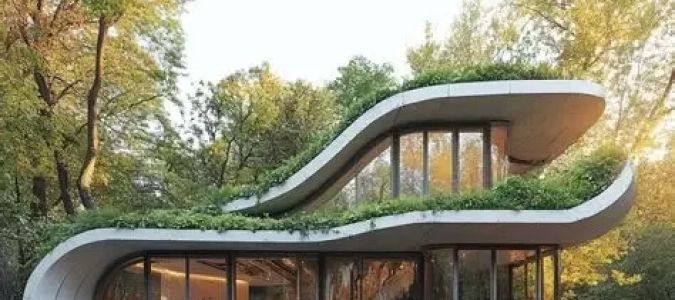
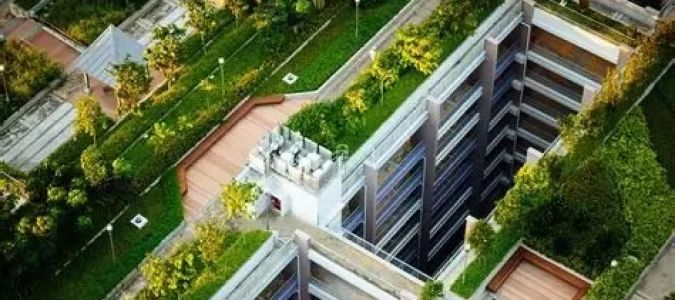
Google has long been a leader in sustainable design, with offices around the world incorporating cutting-edge green technologies. Their Mountain View campus is a prime example, featuring solar panels, green roofs, and energy-efficient systems that help reduce the company’s carbon footprint. Google’s commitment to sustainability extends beyond its buildings to include employee wellness programs and community initiatives focused on environmental conservation.
4.2. The Edge – Amsterdam
Known as one of the world’s greenest office buildings, The Edge in Amsterdam is a remarkable example of sustainable office design. This building uses innovative technology to create a smart, energy-efficient workspace. With features like a solar-powered energy system, rainwater harvesting, and a highly efficient heating and cooling system, The Edge is setting the standard for eco-friendly office buildings around the globe.
4.3. Tengerszem Hotels – Green Practices for Offices
At Tengerszem Hotels, we incorporate sustainable design into not just our guest accommodations, but also the office spaces where our team works. We prioritize energy efficiency, eco-friendly materials, and water-saving technologies in every project. By creating green offices for our staff, we’re able to reduce operational costs while contributing to a healthier environment for everyone.
5. Conclusion
Architects play an essential role in shaping the future of sustainable office spaces. By focusing on energy efficiency, eco-friendly materials, water conservation, and indoor environmental quality, they create workplaces that not only help the environment but also enhance employee well-being and boost company performance. As the demand for green buildings continues to grow, architects will continue to innovate and refine their approach to sustainable design, ensuring that businesses thrive in eco-conscious environments.