

- 1. The Importance of Architecture in Post-Disaster Recovery
- 2. Key Architectural Strategies for Building Resilient Communities
- 3. Case Studies: Architecture in Action After Disasters
- 4. Sustainable Design for Long-Term Resilience
- 5. The Future of Architecture in Disaster Resilience
1. The Importance of Architecture in Post-Disaster Recovery
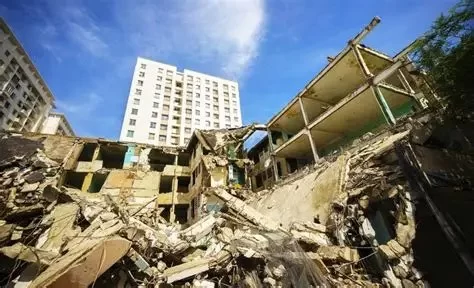
When a disaster strikes, the immediate focus is often on providing emergency relief, food, and water. However, once the initial chaos settles, the long-term task of rebuilding begins. This is where architecture plays a vital role in shaping resilient communities. I remember after Hurricane Katrina devastated New Orleans, the city's recovery efforts were significantly influenced by architectural planning that prioritized both immediate recovery and long-term resilience.
Architecture is more than just the design of buildings; it is about creating spaces that can withstand the harshest of disasters and provide a safe, sustainable environment for communities. The physical infrastructure of a community—homes, schools, hospitals, and public spaces—must be designed with resilience in mind. This means thinking about everything from the materials used to the overall urban planning and layout. Good architecture doesn’t just rebuild; it fortifies communities against future challenges.
2. Key Architectural Strategies for Building Resilient Communities
Building a resilient community requires a combination of thoughtful architectural design, sustainable materials, and a deep understanding of the unique challenges posed by natural disasters. Here are a few key strategies that have been proven effective in ensuring long-term resilience after a disaster:
1. Disaster-Resilient Materials
One of the most important considerations when designing buildings for resilience is choosing materials that can withstand extreme weather conditions. For example, using concrete, steel, or other durable materials can help ensure buildings stand firm during earthquakes or hurricanes. In some disaster-prone areas, materials like bamboo and other locally sourced resources have been incorporated, not only because of their strength but also because they are more sustainable and environmentally friendly.
2. Elevation and Flood Prevention
In flood-prone areas, elevating structures is a critical strategy. After Hurricane Katrina, many homes and businesses were rebuilt on stilts to protect against flooding. Elevation is a simple but effective method to prevent water from entering living spaces during floods. Additionally, designing drainage systems that can handle large volumes of water is essential for reducing flood damage and allowing for quicker recovery.
3. Flexible and Modular Design
Flexibility in design allows communities to adapt quickly to changing needs. Modular buildings, for example, can be easily assembled and disassembled, making them ideal for temporary shelters during recovery efforts. These designs can later be repurposed or expanded as the community rebuilds. I’ve seen firsthand how modular designs have been used effectively in disaster recovery zones, providing both short-term shelter and long-term solutions as the area stabilizes.
4. Community-Centered Spaces
Architecture should also prioritize creating community-centered spaces that foster connection and support during the rebuilding process. Community centers, safe public spaces, and recreational areas are important not just for daily life but also for providing emotional and social support after a disaster. I’ve seen communities thrive when they have a central space where people can gather, share resources, and heal together.
3. Case Studies: Architecture in Action After Disasters
Real-life case studies highlight how architectural strategies have been implemented successfully after disasters. Here are a few examples of how architecture has played a key role in post-disaster recovery:
1. The Rebuilding of New Orleans
After Hurricane Katrina, the rebuilding of New Orleans was a massive challenge. The city’s architects and urban planners focused on resilient architecture to create stronger, safer buildings. Elevated homes, improved flood barriers, and energy-efficient designs were incorporated into the city’s recovery efforts. Additionally, there was a concerted effort to design public spaces that could serve as evacuation centers in future disasters.
2. Japan's Disaster-Resilient Architecture
In Japan, architects have long focused on disaster resilience due to the country’s frequent earthquakes. After the 2011 Tōhoku earthquake and tsunami, Japan's rebuilding efforts showcased innovative architectural designs that prioritized structural integrity. Seismic-resistant buildings, flexible interiors, and community-centered spaces became central themes in the rebuilding process. These strategies not only helped Japan recover faster but also made its cities safer and more adaptable to future disasters.
3. Haiti’s Earthquake Recovery
Following the devastating earthquake in Haiti in 2010, architects around the world came together to help rebuild the country. Efforts included designing low-cost, earthquake-resistant homes using local materials. These homes were designed with the unique environmental challenges of Haiti in mind and aimed at creating sustainable living conditions for the community. The work done in Haiti demonstrated how architecture can help vulnerable populations recover quickly while also preparing them for future disasters.
4. Sustainable Design for Long-Term Resilience
While disaster resilience is critical, sustainability is equally important in building long-term resilience. Sustainable architecture focuses on creating structures that not only withstand disasters but also minimize environmental impact and reduce reliance on resources. Here are a few principles of sustainable design that play a crucial role in building disaster-resilient communities:
1. Green Building Materials
Using sustainable materials such as reclaimed wood, recycled steel, and eco-friendly insulation can reduce a building’s carbon footprint and make it more resilient in the long run. These materials are often more durable and have less environmental impact than traditional construction materials.
2. Energy Efficiency
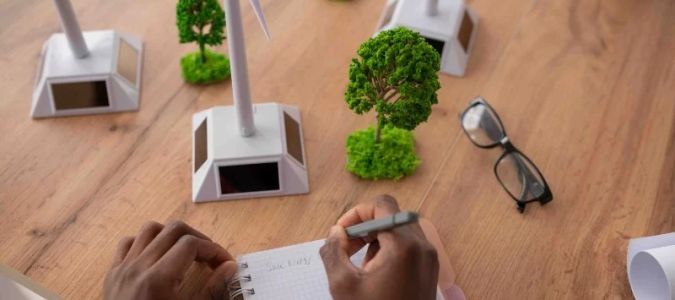
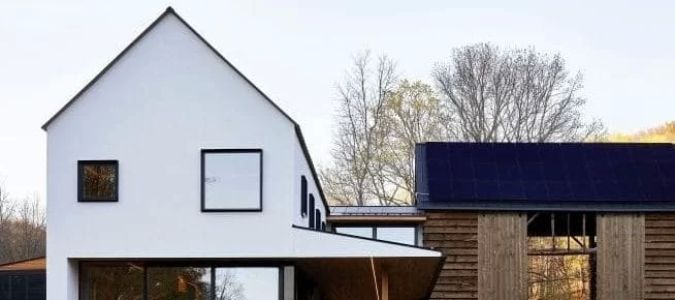
In disaster-prone areas, energy-efficient buildings can help communities remain self-sufficient during recovery. Solar panels, wind turbines, and energy-efficient appliances provide renewable energy sources that can power homes and public spaces even when traditional power grids are down.
3. Water Conservation
Water scarcity is a growing concern, particularly in areas affected by droughts and natural disasters. Sustainable architecture includes features like rainwater harvesting systems, water-efficient plumbing, and landscaping that requires minimal irrigation. These elements ensure that communities can thrive even in areas where water resources are limited.
5. The Future of Architecture in Disaster Resilience
The role of architecture in building resilient communities will only grow more important as the frequency of natural disasters increases due to climate change. Looking ahead, architects and urban planners will continue to innovate, creating designs that not only protect against immediate threats but also promote long-term community well-being.
Technological advancements, such as smart building systems and data-driven disaster prediction models, will help architects design buildings that are even more responsive to disaster risks. Additionally, collaboration between architects, engineers, governments, and local communities will be key in ensuring that future disaster resilience efforts are inclusive, sustainable, and effective.
At the heart of this movement is the understanding that architecture is not just about creating aesthetically pleasing spaces—it’s about creating spaces that can endure, adapt, and support communities through the toughest challenges. If you’re interested in sustainable architecture or looking for resources to help build resilient communities, you can explore more through our site, [10 Jay Street], where we feature innovative designs and products that contribute to disaster resilience.