

- The Impact of Architecture on the Environment
- Sustainable Architecture and Its Benefits
- Innovative Architectural Solutions for Environmental Protection
- How Green Buildings Are Restoring the Environment
- The Future of Architecture in Environmental Restoration
The Impact of Architecture on the Environment
As someone who has always been fascinated by the intersection of design and nature, I've come to appreciate how architecture plays a pivotal role in both protecting and restoring the environment. From the earliest human settlements to the grand skyscrapers that populate modern cities, buildings have always had a profound impact on the natural world. However, with growing concerns over climate change, pollution, and the depletion of natural resources, architects have begun to focus on how the built environment can work in harmony with nature.
Traditional architecture often contributed to environmental degradation through the use of unsustainable materials, excessive energy consumption, and poor waste management. But today, the role of architecture has evolved to not only minimize these negative effects but also to actively contribute to environmental restoration. This shift towards sustainable design practices is transforming the way we think about buildings and their relationship with the environment.
Sustainable Architecture and Its Benefits
Sustainable architecture, often referred to as "green architecture," is a design approach that prioritizes environmental responsibility. It focuses on using resources more efficiently, reducing the carbon footprint of buildings, and ensuring that they are integrated into their surrounding ecosystems in a way that minimizes harm. As I’ve explored this field more, I’ve come to realize that sustainable architecture isn't just about making buildings eco-friendly; it’s about creating a positive impact on the environment.
One of the core principles of sustainable architecture is energy efficiency. By designing buildings that reduce energy consumption through passive heating and cooling, the need for non-renewable energy sources is minimized. Additionally, incorporating renewable energy technologies, such as solar panels and wind turbines, helps reduce the overall environmental footprint of a building.
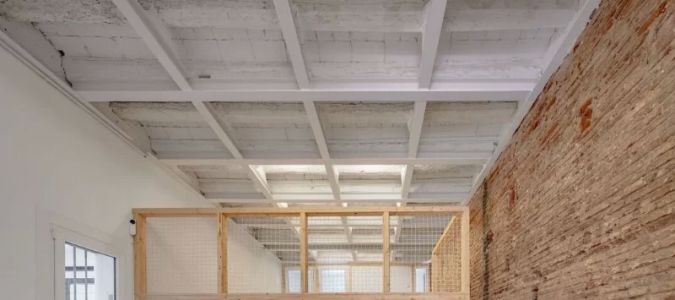
Another major benefit is the use of sustainable materials. From reclaimed wood to recycled steel and eco-friendly concrete, the materials used in green building designs are chosen for their low environmental impact. I find it inspiring to see how these materials not only reduce waste but also create aesthetically pleasing spaces that are both functional and beautiful.
Innovative Architectural Solutions for Environmental Protection
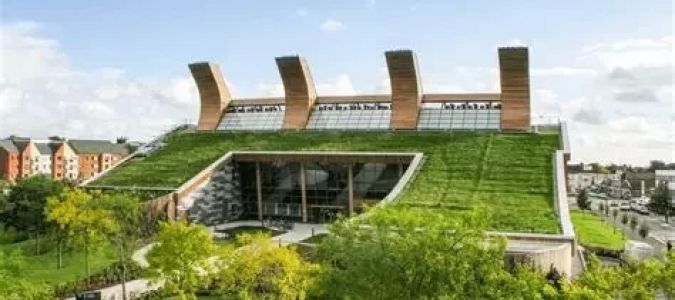
As architects continue to innovate, new solutions are emerging that push the boundaries of what’s possible in terms of environmental protection. For instance, green roofs and vertical gardens are gaining popularity in urban areas, helping to reduce air pollution, increase biodiversity, and manage stormwater runoff. I’ve personally witnessed the transformation of several cities where green roofs have been implemented, and they’ve made a noticeable difference in terms of air quality and local temperature regulation.
Water conservation is another area where architecture is making significant strides. Water-efficient buildings use advanced plumbing systems, rainwater harvesting, and water recycling technologies to drastically reduce water usage. In some cases, these buildings are completely self-sufficient in terms of water, providing an excellent example of how architecture can address environmental concerns in multiple areas.
Another innovative approach is the concept of net-zero buildings. These buildings are designed to generate as much energy as they consume, using a combination of renewable energy sources and energy-efficient technologies. The idea of creating a building that has no net negative impact on the environment is truly revolutionary, and it’s a step towards achieving sustainability on a larger scale.
How Green Buildings Are Restoring the Environment
Green buildings are more than just sustainable; they actively contribute to the restoration of the environment. I’ve been particularly inspired by how certain green buildings are designed to restore ecosystems, improve biodiversity, and even clean up polluted areas. For example, buildings with green roofs not only create new green spaces but also help absorb carbon dioxide, improve air quality, and reduce the urban heat island effect.
One of the most compelling examples of a green building that is actively contributing to environmental restoration is the Bullitt Center in Seattle, often referred to as the "greenest commercial building in the world." This building is designed to be net-zero energy and water, and it features advanced systems that allow it to function as an ecosystem in itself. With features like composting toilets and a rainwater harvesting system, the Bullitt Center exemplifies how buildings can go beyond sustainability and contribute to the restoration of the environment.
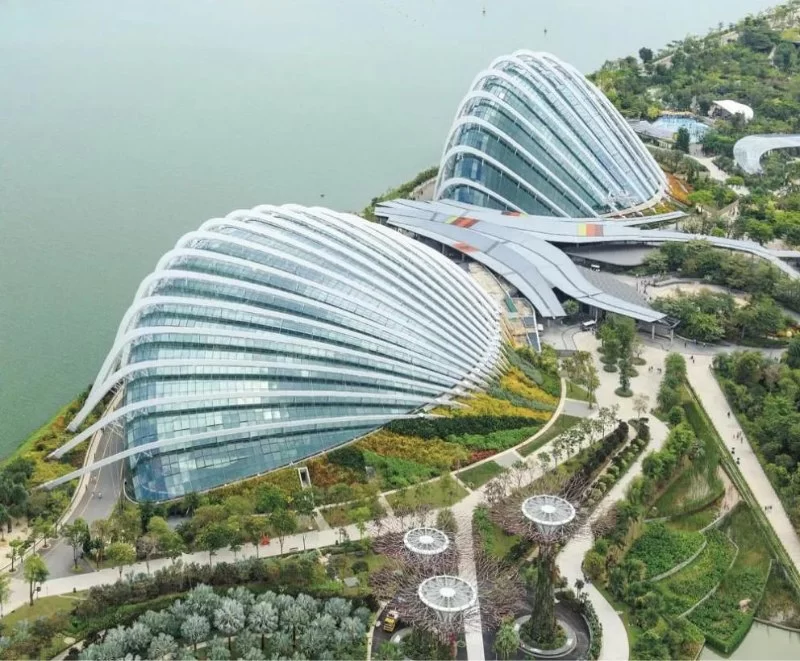
Similarly, many modern buildings are now being designed with the goal of enhancing local ecosystems. For example, buildings that use reclaimed wood and sustainable landscaping techniques help support the local wildlife and reduce the strain on natural resources. This integration of architecture with nature is a growing trend, and it’s heartening to see how buildings are becoming agents of positive environmental change.
The Future of Architecture in Environmental Restoration
The future of architecture is undeniably intertwined with the future of our planet. As concerns over climate change, pollution, and resource depletion continue to grow, architects are rising to the challenge by pushing the limits of design innovation. What excites me the most is the way in which architecture is not just mitigating environmental damage, but actively helping to restore ecosystems, reduce waste, and conserve resources.
As we move forward, I believe that the next generation of architects will continue to refine these sustainable practices, creating buildings that not only provide shelter and beauty but also contribute to the well-being of the planet. The use of smart technologies, further innovations in energy efficiency, and the continued adoption of circular economy principles will ensure that architecture plays a crucial role in creating a more sustainable future.
For anyone interested in exploring this exciting field, I highly recommend checking out resources from 10 Jay Street to learn more about sustainable architectural designs, products, and services that are shaping the future of our environment.