

- design-thinking-as-a-shift-in-architecture
- from-form-to-human-experience
- how-design-thinking-reshapes-the-process
- real-world-applications-and-case-experiences
- collaboration-and-innovation-in-practice
- why-this-approach-matters-for-the-future
Design Thinking as a Turning Point in Modern Architecture
When I first encountered the idea of design thinking in architecture, it challenged many assumptions I had absorbed over the years. Traditional architectural practice often emphasized form, aesthetics, and technical performance first. Design thinking flipped that order. Instead of asking what a building should look like, the process starts by asking how people will actually live, work, and feel inside it.
This shift has quietly reshaped modern architecture across the United States. Buildings are no longer just static objects; they are systems designed around human behavior, adaptability, and long-term use. That mindset is at the heart of design thinking in modern architecture.
Moving From Visual Impact to Human Experience
1. Understanding People Before Drawing Plans
One of the most powerful aspects of design thinking is empathy. In architecture, that means deeply understanding the people who will occupy a space. I’ve seen projects where architects spent weeks observing how users moved through similar environments before sketching a single concept. The result was architecture that felt intuitive rather than imposed.
2. Experience as a Design Metric
Modern buildings are increasingly evaluated by how they perform emotionally as well as structurally. Natural light, acoustics, circulation flow, and even transitional spaces like hallways now receive more attention. These elements shape daily experience, yet they were once treated as secondary concerns.
How Design Thinking Changes the Architectural Workflow
1. Iteration Instead of Perfection
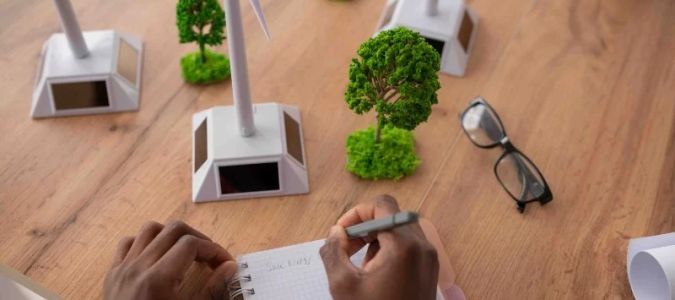
Design thinking encourages testing ideas early and often. I’ve worked on projects where multiple layouts were explored through models and simulations before a final direction was chosen. This iterative process reduces risk and often reveals better solutions than a single rigid concept.
2. Problem Solving Over Assumptions
Instead of assuming what clients or communities need, architects using design thinking actively validate ideas. Feedback loops become part of the workflow, allowing projects to evolve based on real input rather than abstract theory.
Design Thinking in Action Across Modern Architecture
1. Adaptive Reuse and Urban Transformation
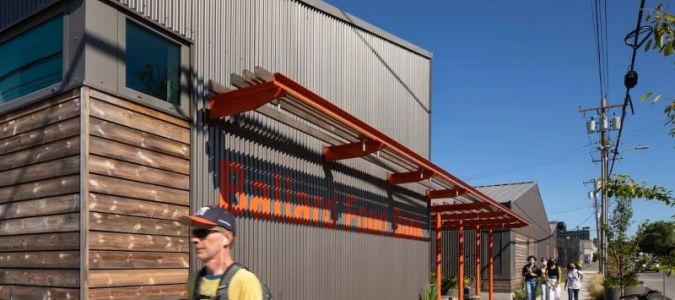
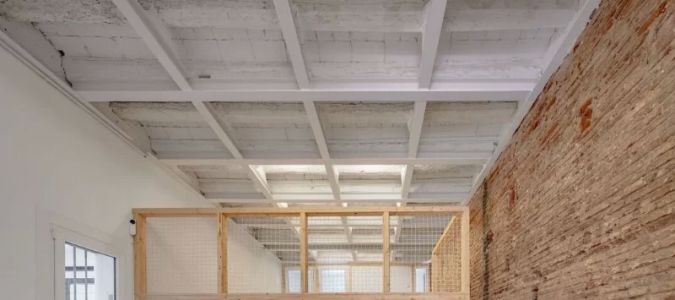
One trend I find particularly compelling is adaptive reuse. Design thinking plays a critical role here by respecting existing structures while reimagining how they serve current needs. Former industrial buildings transformed into mixed-use spaces often succeed because designers focused on human activity patterns instead of forcing entirely new identities.
2. Residential Spaces Designed for Real Life
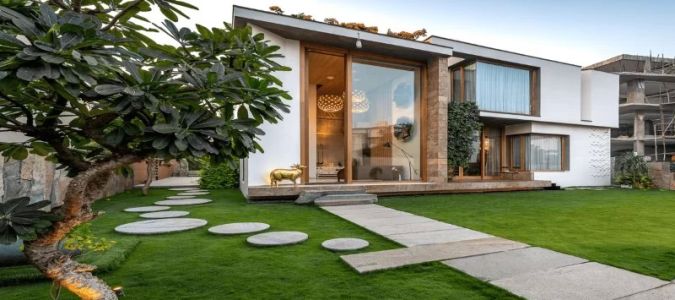
In residential architecture, design thinking has led to more flexible layouts, better storage solutions, and shared spaces that actually encourage interaction. These aren’t flashy features, but they significantly improve everyday living.
Why Collaboration Is Central to Design Thinking
1. Architects as Facilitators
Modern architects often act as facilitators rather than solitary creators. Engineers, designers, developers, and end users all contribute to shaping the outcome. This collaborative approach reduces blind spots and strengthens the final design.
2. Spaces That Reflect Collective Intelligence
I’ve noticed that buildings created through collaborative design thinking tend to age better. They feel more resilient because they were shaped by diverse perspectives from the beginning.
This philosophy is increasingly visible in design-forward developments like those associated with 10 Jay Street, where architecture responds to context, community, and future adaptability rather than short-term trends.
Why Design Thinking Defines the Future of Architecture
1. Sustainability Through Thoughtful Use
Sustainable architecture isn’t just about materials and energy systems. Buildings that people love and use well are less likely to be replaced prematurely. Design thinking supports sustainability by creating spaces that remain relevant over time.
2. Architecture That Evolves With Society
As work patterns, technology, and lifestyles continue to change, architecture must remain flexible. Design thinking provides a framework for responding to uncertainty without sacrificing quality or purpose.
From my perspective, the role of design thinking in modern architecture is no longer optional. It’s becoming the standard for creating meaningful, resilient, and people-centered environments that truly serve those who inhabit them.