

1. Understanding the UN’s Sustainable Development Goals (SDGs)
The United Nations Sustainable Development Goals (SDGs) are a set of 17 goals aimed at addressing global challenges such as poverty, inequality, climate change, environmental degradation, and peace and justice. These goals provide a universal blueprint for creating a more sustainable, equitable world by 2030. When I first learned about the SDGs, I was immediately struck by the sheer scope of these objectives and the critical role that different industries and practices could play in achieving them. One area that I hadn’t considered as deeply before was architecture.
Architecture has a profound impact on many of the SDGs. From providing affordable housing to promoting sustainable cities, the built environment is crucial in shaping the future of our planet. As a professional in the design world, I’ve come to appreciate how architecture can be an agent of positive change, directly contributing to the achievement of several SDGs.
2. How Architecture Contributes to Sustainable Development
Architecture is inherently tied to sustainable development, as buildings and cities represent a significant portion of global energy consumption, resource use, and carbon emissions. Sustainable architecture, therefore, plays a pivotal role in mitigating the impacts of climate change and ensuring a more balanced relationship between human activity and the environment. Let’s take a closer look at how architecture is key to achieving the UN’s SDGs.
2.1 SDG 11: Sustainable Cities and Communities
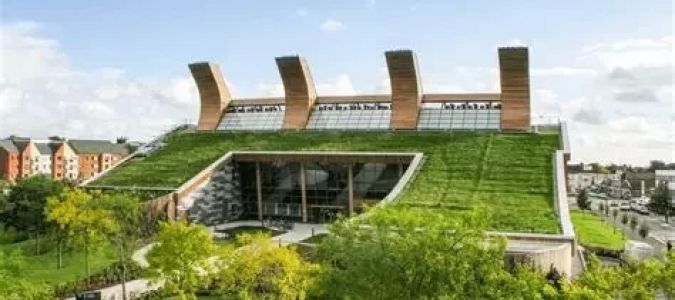
One of the most obvious ways that architecture contributes to sustainability is through the design of sustainable cities and communities (SDG 11). Urbanization is rapidly increasing, and cities are becoming more crowded, creating challenges related to housing, infrastructure, and transportation. Sustainable architecture helps address these challenges by designing energy-efficient buildings, reducing waste, and ensuring that communities have access to essential services such as clean water and sanitation. I’ve seen firsthand how architects are working on innovative solutions to make cities more livable, from green roofs and solar-powered buildings to sustainable public transportation systems.
2.2 SDG 7: Affordable and Clean Energy
Another important contribution architecture makes to sustainable development is through energy-efficient building designs (SDG 7). As someone who is passionate about energy conservation, I’ve found that integrating renewable energy sources like solar panels, wind turbines, and geothermal heating into building designs can significantly reduce a building's carbon footprint. These sustainable design practices are crucial for reducing reliance on non-renewable energy sources, cutting greenhouse gas emissions, and promoting clean energy for all. For example, architects today are designing homes that are net-zero energy, meaning they produce as much energy as they consume.
2.3 SDG 13: Climate Action
Climate change is one of the most pressing issues of our time, and architecture is at the forefront of efforts to combat this global crisis (SDG 13). Sustainable architecture helps reduce the environmental impact of buildings by using eco-friendly materials, optimizing energy efficiency, and creating structures that are resilient to the effects of climate change. The design of buildings with passive heating and cooling systems, as well as the use of low-carbon materials, can help mitigate the carbon emissions that contribute to global warming. Personally, I’ve been inspired by the increasing use of reclaimed materials in construction, which reduces waste and promotes the use of renewable resources.
3. The Role of Architects in Promoting Sustainable Development
Architects play a vital role in shaping the future of sustainable development. Through careful design, planning, and collaboration, architects can create spaces that are not only functional but also environmentally responsible and socially equitable. As architects, we have the power to influence how resources are used, how communities thrive, and how the built environment interacts with nature. In my own practice, I’ve focused on integrating sustainable design principles into every project I undertake, from residential homes to public buildings.
3.1 Sustainable Materials and Resources
The materials used in construction have a significant impact on the environment. As the construction industry accounts for a large portion of global resource consumption, selecting sustainable materials is a key component of green architecture. Architects are increasingly opting for materials that are renewable, recyclable, and have a low environmental impact. For example, using bamboo, which is fast-growing and highly sustainable, or reclaimed wood from old buildings helps reduce the demand for new resources. Additionally, materials like recycled steel or non-toxic paints contribute to healthier indoor environments.
3.2 Passive Design Strategies
Passive design strategies are essential for reducing energy consumption and increasing the energy efficiency of buildings. These strategies include the strategic placement of windows to maximize natural light, using insulation to reduce heating and cooling needs, and incorporating ventilation systems that reduce the need for mechanical cooling. When I worked on a project for an office building, we implemented passive design features that cut energy use by over 40%, which not only made the building more energy-efficient but also reduced operating costs.
3.3 Green Building Certifications
Green building certifications, such as LEED (Leadership in Energy and Environmental Design), play an important role in promoting sustainable architecture. These certifications recognize buildings that meet high environmental standards, from energy efficiency to water conservation. For architects, designing buildings that qualify for such certifications demonstrates a commitment to sustainability and helps promote best practices within the industry. I’ve been fortunate to work on several LEED-certified projects, and the sense of accomplishment in contributing to sustainable architecture is truly rewarding.
4. Real-Life Examples of Sustainable Architecture
There are many inspiring examples of how architecture has helped advance the UN’s SDGs. I want to share a few real-life cases that demonstrate how thoughtful design can make a significant impact on sustainability.
4.1 The Edge, Amsterdam
The Edge is a highly innovative office building in Amsterdam that is often cited as one of the greenest buildings in the world. The building features advanced sustainability measures, such as solar panels, rainwater harvesting systems, and energy-efficient climate control. The design also includes a smart technology system that optimizes energy use, reducing the building’s carbon footprint. As a designer, I admire how The Edge exemplifies how technology and sustainability can work together to create a truly eco-friendly space.
4.2 Bosco Verticale, Milan
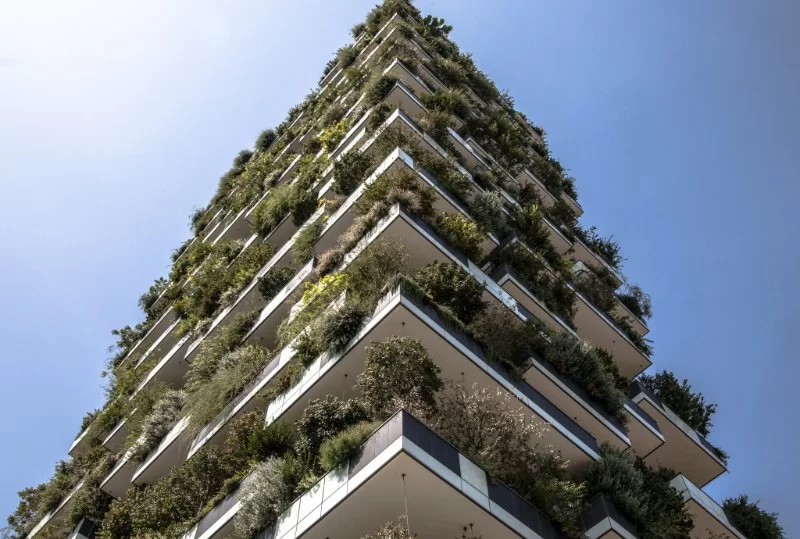
In Milan, the Bosco Verticale (Vertical Forest) is a stunning example of how architecture can help combat air pollution and promote biodiversity. The residential towers are covered with trees and plants, which not only enhance the aesthetic value but also improve air quality, reduce noise pollution, and provide natural insulation. This project is a beautiful example of how architects are incorporating nature into urban environments to create more sustainable, livable spaces.
5. Conclusion: The Future of Architecture and Sustainability
As the world continues to face pressing environmental challenges, architecture will remain a key driver in achieving the United Nations’ Sustainable Development Goals. By embracing sustainable design principles, architects can create spaces that are not only efficient and environmentally friendly but also socially responsible and economically viable. I firmly believe that the future of architecture lies in the fusion of innovation, sustainability, and design excellence. If you’re interested in learning more about sustainable building practices, or if you’re looking for inspiration for your next sustainable project, I recommend visiting 10 Jay Street, where you can explore products and services that support eco-friendly architecture.