

The Importance of Public Spaces in Urban Architecture
- 1. Why Public Spaces Matter
- 2. The Benefits of Public Spaces
- 3. Challenges in Designing Public Spaces
- 4. Successful Examples of Public Spaces
1. Why Public Spaces Matter
Public spaces play a crucial role in the development and functionality of cities. As cities become more crowded and urbanized, the need for accessible and well-designed public spaces becomes more important. These spaces provide areas for people to gather, relax, socialize, and engage in various recreational activities. Whether it’s a park, plaza, or community center, public spaces serve as the heart of urban life.
1.1 Fostering Community Engagement
One of the primary reasons why public spaces should be prioritized is their ability to foster community engagement. These spaces allow people from different backgrounds and walks of life to come together, share experiences, and create meaningful connections. From casual meetings to organized events, public spaces are essential for strengthening social bonds.
1.2 Enhancing Quality of Life
Public spaces contribute significantly to the overall well-being of urban residents. Access to green spaces and recreational areas has been shown to improve mental health, reduce stress, and increase physical activity. By providing a safe and pleasant environment for relaxation, these spaces offer essential opportunities for rejuvenation.
2. The Benefits of Public Spaces
There are numerous benefits to designing and maintaining high-quality public spaces. When incorporated into urban planning, public spaces have the power to:
2.1 Promote Inclusivity and Diversity
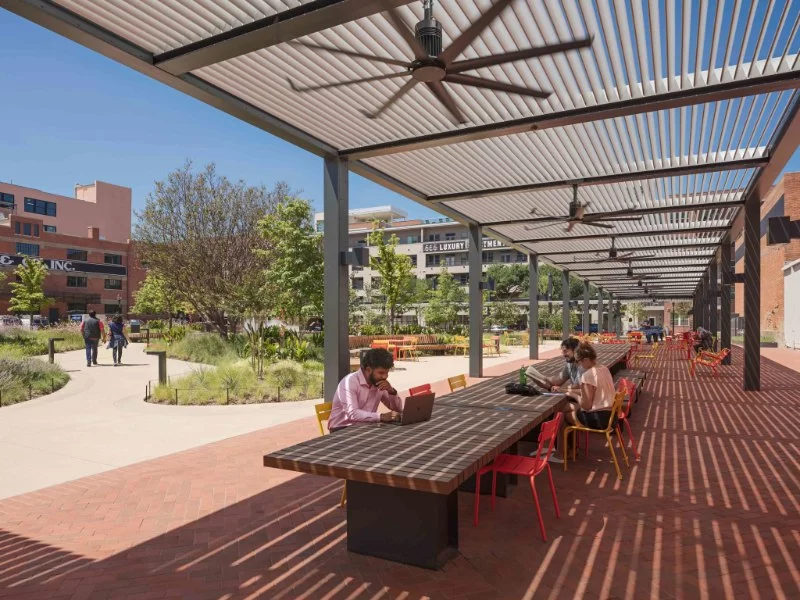
Public spaces provide an inclusive environment where everyone, regardless of age, background, or income, can feel welcome. For example, well-designed parks with accessible pathways, benches, and play areas cater to individuals with disabilities and families with young children. They create a sense of belonging for people of all ages.
2.2 Boost Local Economy
Public spaces also play a vital role in boosting the local economy. A well-designed public space can attract tourists and locals alike, leading to increased foot traffic and the growth of surrounding businesses. For instance, cafes, restaurants, and shops often thrive in areas adjacent to vibrant public spaces, creating a positive feedback loop for the local economy.
2.3 Environmental Impact
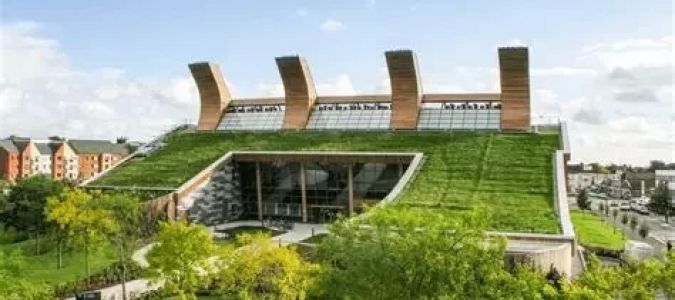
Green public spaces such as parks and urban forests help to mitigate the effects of climate change by improving air quality, reducing heat islands, and enhancing biodiversity. These spaces also play a significant role in water management by acting as natural water retention areas, helping to prevent flooding and improve drainage systems.
3. Challenges in Designing Public Spaces
Designing public spaces that meet the needs of the community while also being sustainable can be challenging. Architects must consider a variety of factors to create spaces that are functional, inclusive, and accessible. Some of the most common challenges include:
3.1 Balancing Functionality with Aesthetics
One of the key challenges in designing public spaces is finding the right balance between functionality and aesthetics. While the design must meet the practical needs of the people using the space—such as providing seating, pathways, and accessibility—it should also be visually appealing to attract visitors. Striking this balance requires creative thinking and careful planning.
3.2 Maintenance and Sustainability
Public spaces require ongoing maintenance to ensure they remain functional and safe. This includes cleaning, repairing damaged infrastructure, and maintaining green areas. Sustainable design practices, such as using durable materials and incorporating eco-friendly solutions, can reduce long-term costs and ensure the space remains accessible for years to come.
3.3 Safety and Security
Creating public spaces that feel safe and secure for all users is paramount. Urban architects must consider lighting, sightlines, and the surrounding environment to reduce crime and create a sense of security. Additionally, involving local communities in the design process can help ensure that the space is tailored to the specific safety concerns of residents.
4. Successful Examples of Public Spaces
Throughout the world, there are several examples of public spaces that have successfully addressed the challenges of design, functionality, and sustainability. These spaces not only enhance the urban landscape but also create opportunities for community interaction and environmental conservation. Some notable examples include:
4.1 The High Line, New York City
The High Line is a prime example of transforming an underutilized space into a thriving public park. Built on a former elevated railway track, the park integrates green spaces with urban architecture and offers stunning views of the city. It has become a cultural landmark that brings together visitors and locals alike.
4.2 Millennium Park, Chicago
Millennium Park in Chicago is another excellent example of a successful public space. It is home to iconic architectural landmarks, including the Cloud Gate sculpture, and offers a wide variety of cultural events, gardens, and performance spaces. It serves as both a recreational and artistic hub for the city.
4.3 The Gardens by the Bay, Singapore
Singapore’s Gardens by the Bay is a cutting-edge example of a sustainable public space that combines nature and modern architecture. The park features innovative designs such as the Supertree Grove and climate-controlled conservatories, making it a global attraction for nature lovers and tourists.
As cities continue to grow, the importance of public spaces in urban planning cannot be overstated. By prioritizing the design of these spaces, urban architects can create more vibrant, sustainable, and inclusive cities for everyone. If you are interested in exploring more about urban architecture or need assistance with your design projects, visit 10 Jay Street for expert advice and resources.