

1 - Why Architecture Should Matter to You
As someone who spends a significant portion of their day in an office setting, I never truly thought about how the design and architecture of my workspace could affect my productivity and overall well-being. But after spending years in different office environments, I started to realize just how impactful workplace architecture can be. The design of your office isn't just about aesthetics—it plays a huge role in how efficiently you work, how connected you feel to your colleagues, and even your mood throughout the day.
Workplace architecture is often overlooked, but it's something we should all care about. A thoughtfully designed office can make all the difference in fostering creativity, enhancing collaboration, and supporting employee well-being. In this article, I’ll share why the architecture of your workplace is so important and how it can improve both individual and organizational success.
2 - The Impact of Workplace Architecture on Productivity
One of the most immediate and noticeable effects of workplace architecture is its influence on productivity. I’ve experienced firsthand how different office layouts and designs can either inspire or hinder my ability to focus and perform at my best. After all, when you’re working in an environment that’s comfortable and conducive to your work style, it’s easier to get things done.
2.1 - Open vs. Closed Spaces
One of the main architectural decisions that can impact productivity is whether your office is designed with open spaces or private workstations. Open-plan offices have been popular in recent years because they are designed to encourage collaboration and communication. However, I’ve found that too much noise and distractions in an open office can be overwhelming, especially when I need to focus on a complex task. On the other hand, private workstations or quieter areas for deep work can improve focus and task completion.
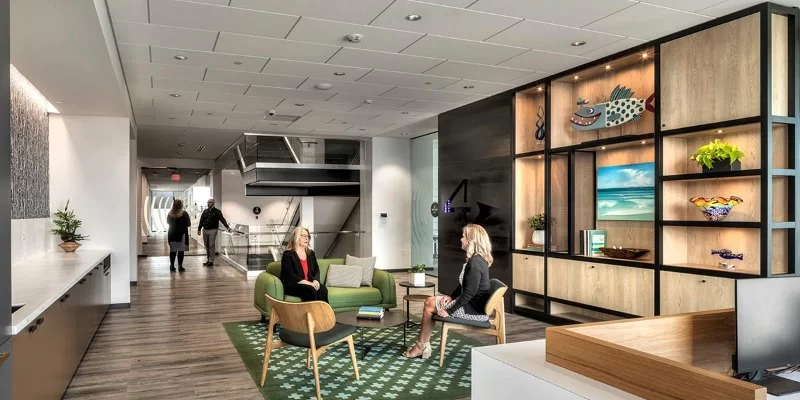
In my experience, a balance between both open and closed spaces works best. Spaces where you can work in solitude when necessary, along with areas designed for teamwork and brainstorming, provide the versatility needed to cater to different types of work and personalities.
2.2 - Lighting and Ventilation
The quality of lighting and ventilation in an office can significantly influence productivity. I used to work in an office that had inadequate lighting, which made me feel drowsy and drained by midday. Good lighting, particularly natural light, has been shown to boost mood, energy, and productivity. When I transitioned to a workplace with large windows and plenty of natural light, I immediately noticed an improvement in my focus and energy levels.
Ventilation also plays a role in maintaining a productive environment. Proper airflow can help reduce fatigue, while stuffy, poorly ventilated spaces can lead to discomfort and low concentration levels. Whether it’s installing more windows, adding plants, or optimizing the air conditioning, good ventilation and air quality are critical components of effective workplace architecture.
3 - Workplace Architecture and Employee Well-being
The design of an office space doesn’t just affect productivity—it also has a direct impact on employee health and well-being. After working in various office environments, I’ve learned that an uncomfortable or uninspiring workplace can take a toll on mental and physical health. But a well-designed office that prioritizes employee comfort and well-being can make a world of difference.
3.1 - Ergonomics and Comfort
It’s no secret that comfort is key when spending long hours at a desk. I’ve experienced the difference that ergonomic furniture and thoughtful design can make. For example, adjustable chairs and desks that allow employees to switch between sitting and standing can help alleviate back pain and improve posture. Small touches like providing footrests or wrist supports can make a significant difference in reducing physical strain throughout the workday.
Ensuring that the office is equipped with comfortable seating and ergonomic tools encourages employees to stay focused and reduces the risk of long-term health issues such as repetitive strain injuries. The more comfortable I am, the more productive I feel, and I’ve seen this echoed in the experiences of my colleagues as well.
3.2 - Creating Relaxation Spaces
A great office design doesn’t just focus on workspaces—it also includes areas that promote relaxation and stress relief. I’ve found that having a designated break room, a quiet area for reflection, or even an outdoor space to step away from the desk is essential for maintaining a healthy work-life balance. These spaces provide employees with a much-needed opportunity to recharge and return to their tasks with renewed focus and energy.
For instance, when my office included a small garden or lounge area, I found that employees were able to take short breaks and feel less overwhelmed. This has been proven to improve mental health and boost creativity as well. Mental clarity often comes after stepping away from the desk, and providing an environment where employees can do this comfortably can greatly enhance well-being.
4 - How Good Architecture Can Foster Creativity
Another key benefit of thoughtful workplace architecture is its ability to foster creativity. I’ve seen how an inspiring workspace can help employees come up with innovative ideas and solutions. Creative thinking often thrives in environments that feel open, inviting, and flexible. When I worked in an office with a dynamic, visually appealing design—one with vibrant colors, creative murals, and open spaces—it sparked new ideas and collaborations that wouldn’t have happened in a dull, uninspiring office.
4.1 - Flexible Layouts
Flexible layouts allow employees to move around and work in different settings, depending on the task at hand. For example, spaces that allow for collaboration with colleagues or brainstorming sessions in comfortable, informal settings help spark new ideas. In my experience, the ability to move between workstations, meeting rooms, and breakout areas has made collaboration more natural and enjoyable, which directly led to increased creativity in our projects.
4.2 - Integrating Nature into the Design
Incorporating elements of nature into the office design, such as plants, natural light, or even outdoor spaces, has been shown to boost creativity. Nature-inspired design can reduce stress and increase cognitive function, making it easier to think outside the box. Personally, I’ve found that having plants in my workspace not only improved the air quality but also made the space feel more refreshing and energizing, which led to greater creativity and focus.
5 - The Long-Term Benefits of Thoughtful Office Design
While the immediate benefits of good office architecture are evident, the long-term impact is equally important. When organizations invest in creating a workplace that promotes productivity, well-being, and creativity, they are investing in the long-term success of their employees and the company. Over time, I’ve witnessed how companies with well-designed office spaces tend to have higher employee satisfaction, lower turnover rates, and more successful collaborations.
Good workplace architecture leads to happier employees, and happy employees are more engaged, productive, and committed to their work. By creating a workspace that aligns with your organization’s culture and values, you’re not just enhancing the physical environment—you’re also improving the overall company culture.
For more insights on how the right office design can enhance both employee well-being and productivity, visit 10 Jay Street for expert recommendations on office architecture and design solutions.