

- Introduction to Public Spaces
- Why Innovative Designs Are Crucial
- Architectural Influence on Social Interactions
- Case Studies and Real-World Examples
- The Business of Public Space Design
Introduction to Public Spaces
Public spaces are essential for fostering community interaction and creating a sense of belonging. These spaces include parks, plazas, streets, and other open areas where people come together. Architects play a pivotal role in shaping how these spaces function, not just in terms of aesthetics but also in their ability to foster social interactions, accessibility, and safety. The importance of designing innovative public spaces cannot be overstated, as these spaces are vital for urban life and have a direct impact on the well-being of citizens.
Why Innovative Designs Are Crucial
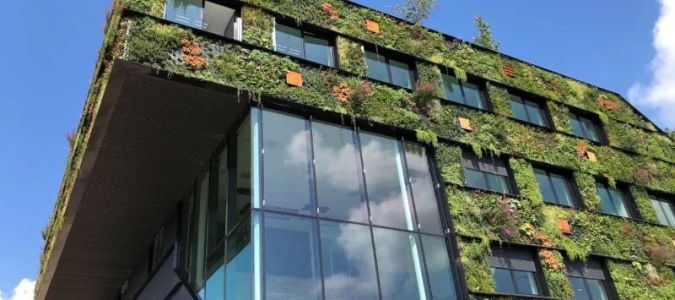
In today's rapidly evolving urban environments, innovative designs are more crucial than ever. Architects are tasked with creating spaces that are not only visually appealing but also functional, sustainable, and inclusive. Innovative designs can transform a simple park into a lively, multi-use space that attracts people of all ages and backgrounds. By incorporating elements like green spaces, multifunctional layouts, and modern technologies, architects help to create environments that promote health, sustainability, and interaction.
The role of architects in designing innovative public spaces is to anticipate the changing needs of the population. For example, integrating smart technologies or designing spaces that can evolve with future urban demands can have a profound impact on how well public spaces serve their communities. This forward-thinking approach ensures that spaces remain relevant for years to come.
Architectural Influence on Social Interactions
One of the most significant aspects of public space design is its influence on social interactions. Architects understand that how a space is structured can encourage or discourage certain behaviors. For instance, open, well-lit areas with comfortable seating arrangements tend to foster more socializing and interaction among individuals. On the other hand, poorly designed spaces can lead to isolation or even a sense of insecurity.
Architects use design strategies like zoning, visibility, and accessibility to influence how people move through and interact within a space. The strategic placement of seating, pathways, and vegetation can create opportunities for people to engage with each other naturally. These design elements are critical for building a sense of community and ensuring that public spaces are inclusive and accessible for all.
Case Studies and Real-World Examples
There are numerous examples of architects transforming public spaces into innovative, functional, and welcoming environments. A standout example is the High Line in New York City. Originally an abandoned railway track, it was reimagined into a public park that not only provides green space in the heart of a bustling city but also attracts millions of visitors each year. The High Line is a perfect example of how innovative design can breathe new life into urban spaces.
Another great example is the redevelopment of the La Défense district in Paris. Architects used cutting-edge design to create a mixed-use urban space with art installations, open squares, and green areas. This revitalized area is now a hub for both local residents and tourists, illustrating how thoughtful design can contribute to the economic and social vibrancy of a region.
The Business of Public Space Design
While public space design has a profound impact on communities, it is also a business that generates significant economic activity. Successful public space projects can increase property values, attract tourists, and enhance the local economy. Therefore, architects are not only responsible for creating functional and beautiful spaces but also for delivering designs that offer long-term economic benefits.
For businesses and local governments, investing in innovative public spaces can result in greater foot traffic, more tourism, and enhanced civic pride. As public spaces continue to evolve, architects are at the forefront of creating environments that meet both the needs of the community and the economic objectives of stakeholders.